
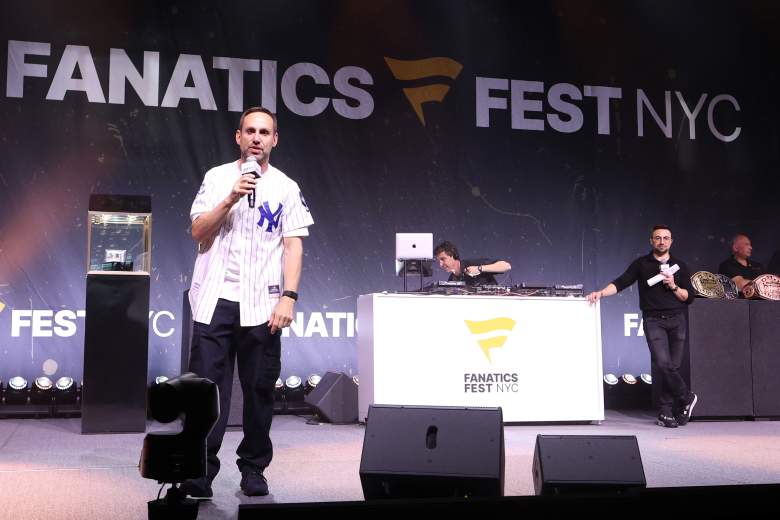
Fanatics has scored another significant victory in the legal fight over its growing control of the sports trading-card market.
Chief U.S. District Judge Laura Taylor Swain dismissed the 13-count Jones v. Fanatics putative class-action lawsuit in its entirety on September 29, ruling that the collectors who brought the case had not established the concrete, individualized harm required to sue in federal court.
The lawsuit accused Fanatics of monopolization and attempted monopolization under the Sherman Act, challenged its acquisitions of Topps and card manufacturer GC Packaging and targeted exclusive licensing arrangements involving MLB, the NFL, NBA and their players associations.
But the case never got that far.
Swain ruled that the plaintiffs lacked Article III standing, granted every defendant’s motion to dismiss under Rule 12(b)(1) and ordered the case closed.
Why Judge Dismissed the Fanatics Lawsuit
The distinction is important: the ruling was not a finding that every allegation against Fanatics was false or that Fanatics definitively complied with federal antitrust law.
Instead, Swain found that the named plaintiffs had not adequately shown they personally suffered the injuries they alleged.
The collectors claimed Fanatics’ conduct caused higher prices, diminished card quality, reduced consumer choice and lower output. But the court found they did not provide enough information connecting those broader allegations to their own purchases.
That problem showed up repeatedly.
When plaintiffs pointed to complaints on Reddit and a YouTube podcast about rising sports-card prices, Swain noted that they had not identified what products the named plaintiffs bought, what they paid or how those third-party complaints translated into an actual overcharge for them.
The court reached a similar conclusion on quality complaints. Plaintiffs cited an article describing dinged corners in 2025-26 Topps Basketball boxes, but did not allege that they purchased the same product or suffered comparable defects themselves.
Swain also dismissed the NFL-related claims after noting that none of the named plaintiffs alleged purchasing NFL cards.
Fanatics Has Now Beaten 2 Major Consumer Cases
The ruling is strikingly similar to another Fanatics victory Heavy has tracked this year.
In March, Swain dismissed the Scaturo v. Fanatics consumer class action on standing grounds. The plaintiffs later voluntarily dismissed the case with prejudice, permanently ending that lawsuit. Heavy reported in June that the case had officially closed.
The parallels were not lost on the court.
Swain wrote in the new Jones decision that Scaturo involved a “virtually identical complaint” and said the dispositive question once again was whether any named plaintiff had standing to sue.
That makes two major collector-led challenges to Fanatics’ trading-card business model that have now failed at the standing stage.
What Does the Ruling Mean for Panini v. Fanatics?
The obvious question for the hobby is whether the decision changes the outlook for Panini America’s separate antitrust lawsuit against Fanatics.
There is meaningful overlap. Panini has also challenged Fanatics’ exclusive licenses, its acquisition of GC Packaging and other alleged conduct surrounding competition in the sports-card industry.
And it is the same judge.
But there is also a critical distinction.
Panini is a direct competitor alleging harm to its own business. In March 2025, Swain granted only part of Fanatics’ motion to dismiss Panini’s lawsuit and allowed several antitrust and related claims to continue.
The Jones ruling itself explicitly recognizes that difference. While rejecting the consumers’ attempt to rely on alleged harm to Panini as proof that they were injured, Swain noted that Panini had challenged the conduct in its own lawsuit “in which several of its claims survived a motion to dismiss for lack of standing.”
So this is not a ruling that disposes of Panini v. Fanatics.
It does, however, give Fanatics another sweeping win against a lawsuit built around many of the same allegations, from exclusive league licenses to diminished competition and higher card prices.
For the second time this year, consumers tried to turn those broader concerns into a federal antitrust case.
For the second time, Swain found they had not shown enough personal harm to get through the courthouse door.






Fanatics Scores Major Court Win in Sports Card Monopoly Lawsuit