
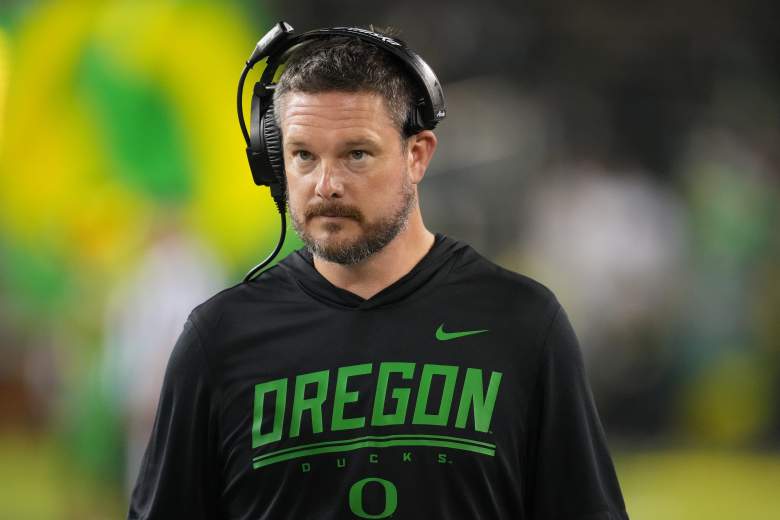
College football cannot have it both ways forever. The sport has entered an era in which major programs can directly share millions of dollars in revenue with athletes, third-party NIL money continues to flow and the transfer portal allows talented players to move around the country every offseason.
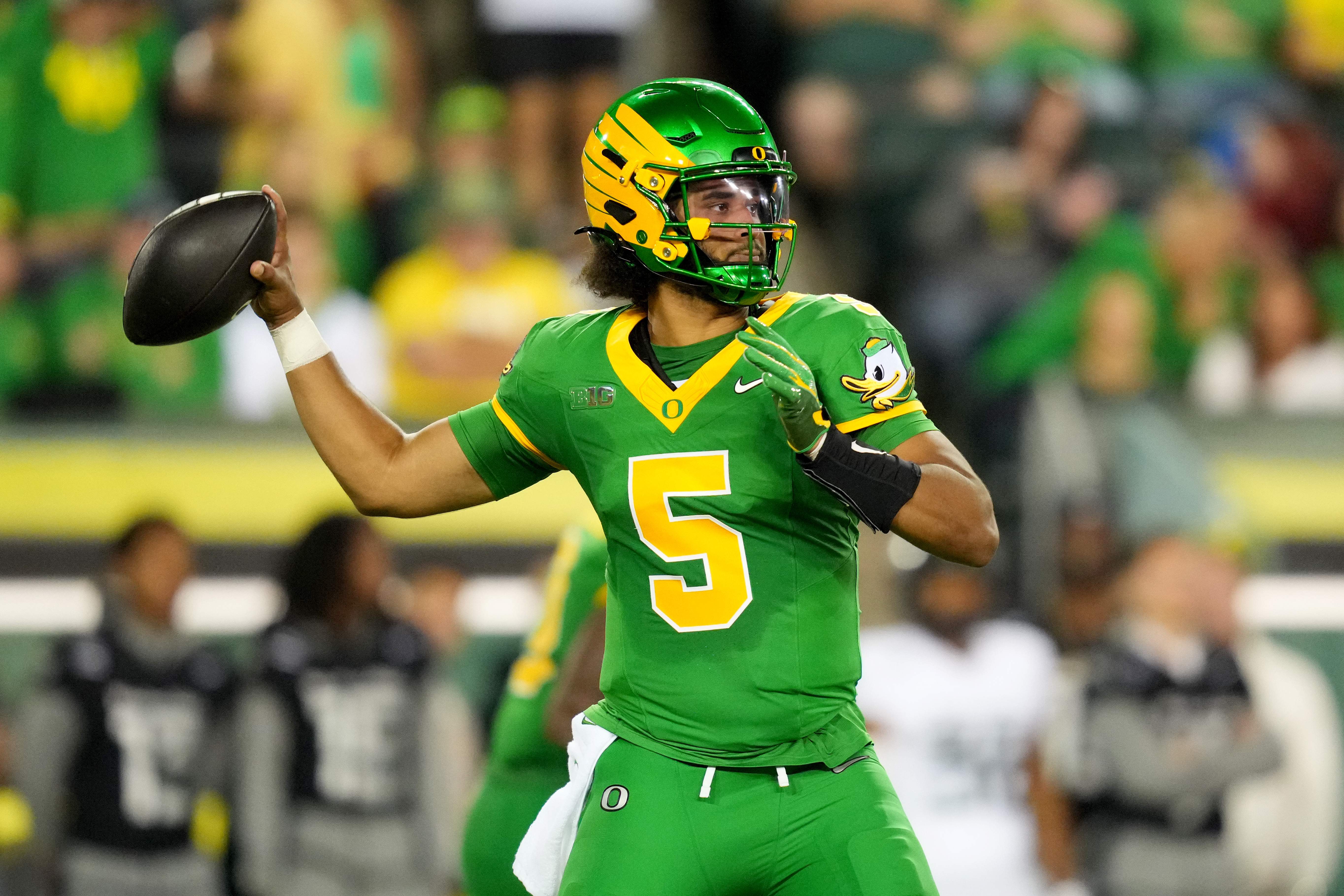
The best rosters in college football are being assembled with resources that would have sounded impossible a decade ago. Yet every September, those same powerhouse programs continue lining up against opponents they can overwhelm before halftime. Oregon provided the latest example Friday night.
The Ducks beat Portland State 84-0, taking a 49-0 lead into halftime before eventually recording the largest margin of victory in Autzen Stadium history. Oregon also set a modern-era program record for points. It was impressive, historic and completely noncompetitive.
College Football Has Changed, but the Scheduling Has Not
Nobody needs to blame Oregon for what happened. The Ducks scheduled an opponent, lined up and played football. Once backup players enter the game, those players deserve an opportunity to compete instead of being asked to spend an entire fourth quarter avoiding the end zone. The issue is not that Oregon scored 84 points.
The issue is why college football continues creating situations where 84-0 feels like a realistic outcome. Miami provided another example only a week earlier. The Hurricanes demolished Florida A&M 77-7, scoring on 11 of their first 12 possessions while setting a school record with 856 yards of offense. Miami also recorded 42 first downs, setting an ACC single-game record.
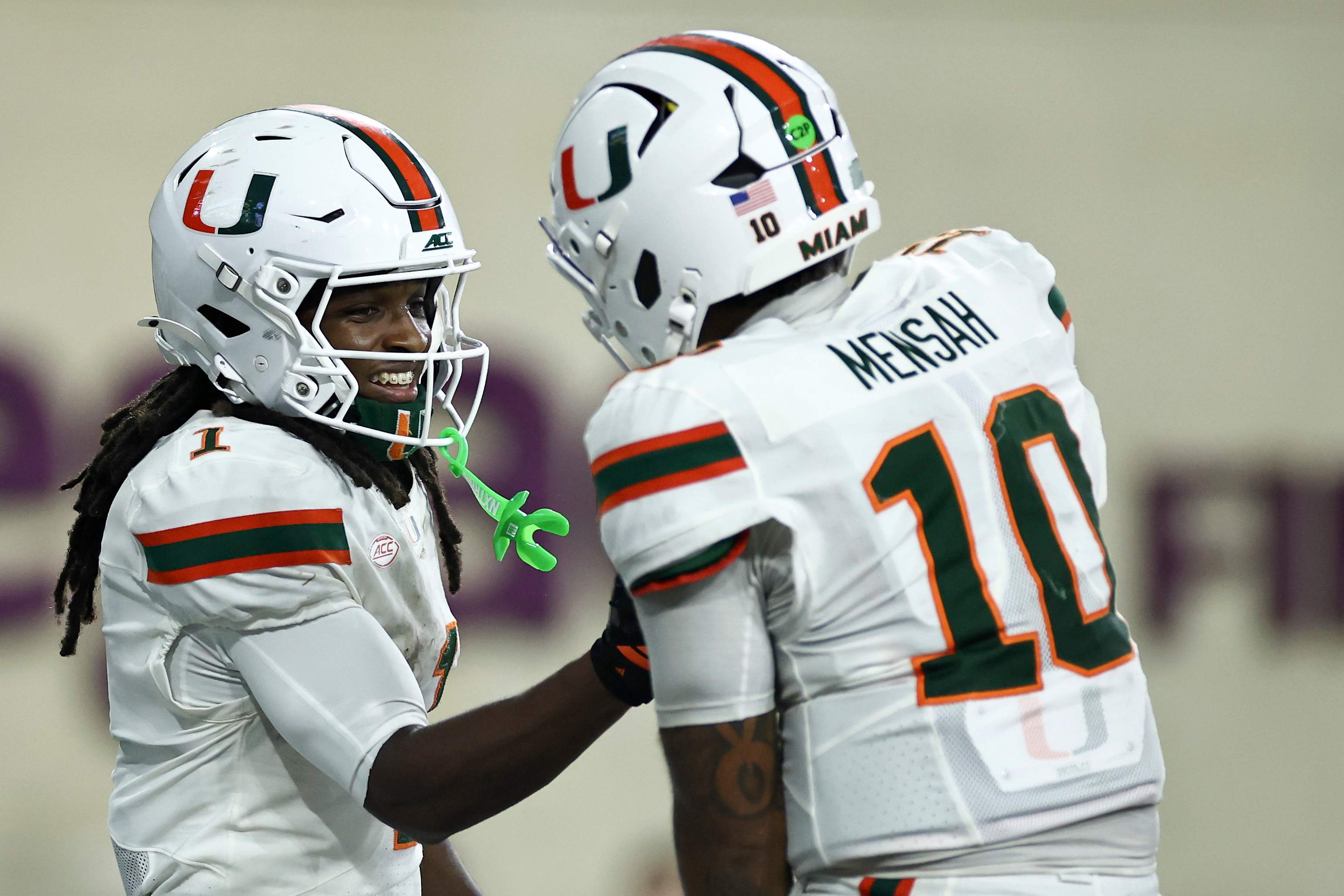
Those are absurd numbers, but they also reveal how enormous the gap can become when one of college football’s wealthiest and most talented programs faces an opponent operating with completely different resources. That gap matters more now because college football itself has changed.
Under the framework created after the House settlement, schools that opt into the system can provide athletes with direct financial benefits tied to an annual revenue-sharing cap. The initial figure was approximately $20.5 million per school, before even accounting for additional legitimate third-party NIL opportunities.
These are not professional athletes in the traditional legal sense, but pretending major college football still operates like the old amateur model would be equally inaccurate. The sport has professionalized. Its scheduling should follow.
No More Free Saturdays for College Football’s Best Teams
There will always be a place for games between programs from different levels. Smaller athletic departments can benefit financially from guarantee games, and every once in a while college football gets an Appalachian State-Michigan moment that becomes part of the sport’s history. Nobody needs every September game to feature two top-10 teams.
But there is a difference between an underdog getting its opportunity and sending a roster into a matchup where the competitive gap is so enormous that 49-0 at halftime hardly feels surprising.
If the biggest programs want massive television contracts, multimillion-dollar rosters, NIL collectives, revenue sharing and a national playoff determining the best team in the country, make them play meaningful football more often. No more scheduling games simply because they offer an easy Saturday.
Miami won 77-7. Oregon followed with 84-0. College football wanted to become bigger, richer and closer to a professional product than ever before. Great. Now schedule it like one.
Oh, what a wonderfully strange time to love college football. The result of eliminating some of these cupcake games would seemingly be simple: better football for fans and more meaningful opportunities for players to perform on the biggest stages.
There are only so many Saturdays of meaningful college football every year. Fans could certainly use a few more of them. And if the money surrounding the sport has reached pro-level territory, it is fair to wonder whether the scheduling should start reflecting that reality, too.
College football has changed dramatically. Maybe it is time to reopen the conversation about the cupcake games that somehow have not.
College Football’s New ‘Pro’ Era Has Made Cupcake Games Impossible to Defend