
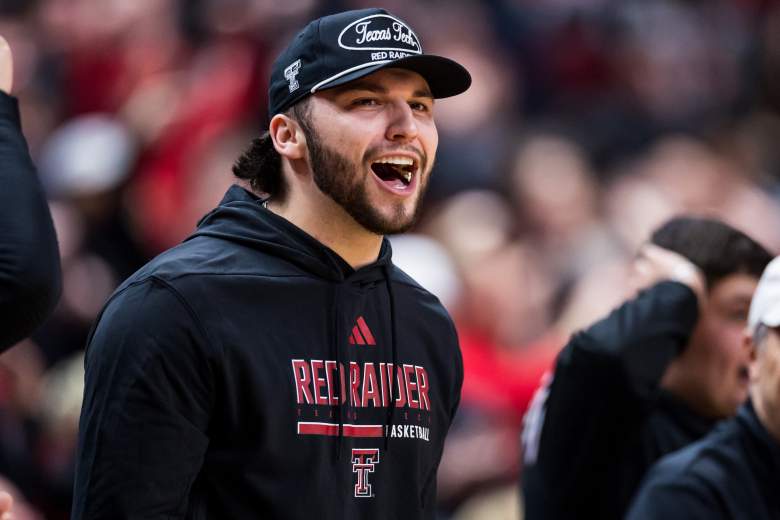
The sports world got a shock on Monday. A local Texas judge granted a temporary injunction to Texas Tech Red Raiders quarterback Brendan Sorsby, so he can play despite admitting to gambling on his own team while he was with the Indiana Hoosiers.
Around college football, there was an overwhelmingly negative reaction to the decision. That included from athletic directors around the Big 12 Conference, where Texas Tech is expected to compete for a conference championship in 2026. That frustration is so bad that Yahoo Sports’ Ross Dellenger recently reported that several Big 12 ADs are even considering a boycott of Texas Tech this season.
“We’ve had some serious conversation about it,” Kansas State athletic director Gene Taylor said. “There is still a lot to be discussed. We aren’t scheduled to play them this year, but it’s something we have to look at from a college football perspective. This is greater than the Big 12.”
Earlier in the Spring, Sorsby checked into rehab for gambling addiction. At the time, he admitted to extensively betting throughout his college career, which has taken him from Indiana to Cincinnati and now to Texas Tech. That included betting on his own team while at Indiana, though he did not play in those games.
One anonymous Big 12 athletic director called it the “lowest point in my time in college sports” to Dellenger. They’d go on to add that Texas Tech “should be ashamed of itself.”
This landmark ruling completely changes how the NCAA is going to be able to enforce its anti-gambling rules. There is now a precedent that judges can overrule eligibility decisions related to gambling. On top of that, the judge did hand down a two-game suspension, which was an unprecedented move in its own right.
“It’s f****** bulls***,” Taylor would go on to say. “I know the kid has a problem. Well, get well and focus on your problem. It is absolutely devastating for him to be able to play when every other sport, no matter the level, deems an athlete ineligible or they are punished severely for betting on their team.”
Texas Tech’s first Big 12 game will come in its third game of the season, against the Houston Cougars. That’s on September 18th, just after the end of Sorsby’s two-game suspension. What is unclear is what a boycott, if it were to even happen, would look like in practice, as well as how the Big 12 offices and the NCAA would handle it.
Texas Tech Red Raiders QB Brendan Sorsby Claimed Irreparable Harm From Not Playing
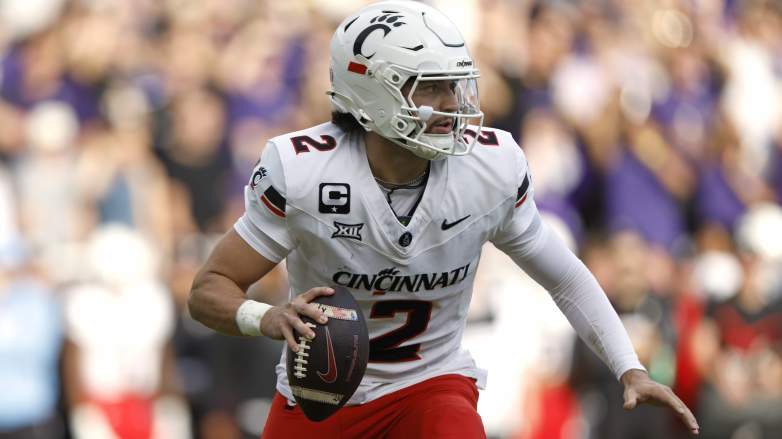
The crux of the argument that Texas Tech Red Raiders quarterback Brendan Sorsby made in court was that not playing would cause him to suffer “irreparable harm.” The judge, Ken Curry, agreed, and it was on that basis that the injunction was granted.
Dan Wolken of Yahoo Sports pushed back on that argument from the judge.
“Uh, yeah. That’s kind of the point Judge Curry, you big softie,” Wolken wrote. “You break a law — or in this case a black-and-white rule that every sports league in America agrees on — and sometimes the harm is going to be irreparable. When the rule in question is arguably the most important in all of sports, that’s how the cookie crumbles. Or at least, that’s how it’s supposed to work.”
Sorsby’s attorney, Jeffrey Kessler, would add to that argument for Sorsby. He stated that Sorsby gambling on his own team and now playing does no damage to the competitive integrity of the sport. It’s a point that many people disagree with.
“This is a just result. He will continue in treatment, devote himself to his team and educating others about the dangers of gambling addiction, and there is no damage to the competitive integrity of NCAA games,” Kessler said.
The competitive integrity concerns are obvious as it relates to outcomes across sports. Put aside that players have insider knowledge when they’re gambling on themselves or their team, they can control aspects of the outcome. For instance, purposefully hitting an under by pulling themselves from a game early.
The NCAA Denounced the Sorsby Ruling in a Statement
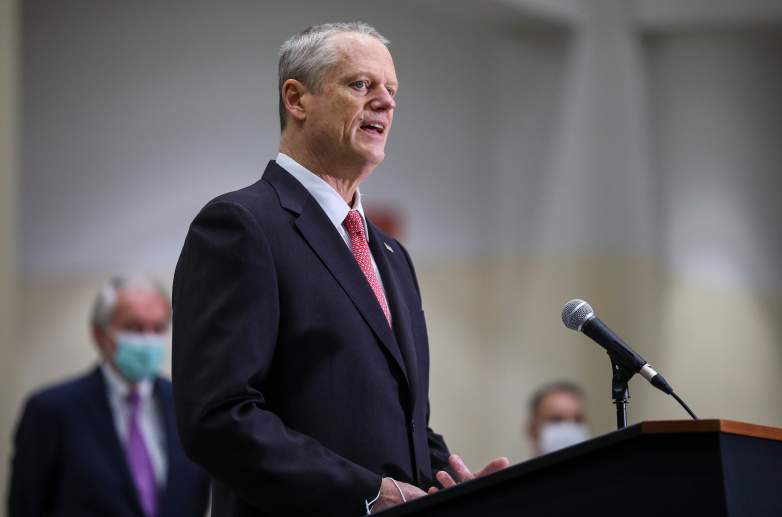
Shortly after the local judge gave Sorsby his temporary injunction, the NCAA was prepared with a statement, denouncing the decision.
“The NCAA strongly disagrees with the court’s ruling in Sorsby’s case and is deeply concerned about the damaging, far-reaching, and broadly destabilizing ramifications of this outcome — which undermines and corrupts the integrity of sports. The NCAA is committed to supporting student-athlete mental health but must continue to aggressively defend against actions that defraud college athletics and threaten competitive integrity, such as betting on one’s own sport.”
Beyond that, NCAA President Charlie Baker took to social media. There, he’d call for Congress to make changes in the wake of this ruling.
“There is no better example of why targeted intervention from Congress is necessary,” Baker wrote. “When you have schools and deep-pocketed supporters willing to look the other way on the glaring integrity threat of betting on your own team – and judges whose rulings effectively strip away our ability to stop them – only Congress can equip the @NCAA to apply this common sense rule to everyone fairly and consistently. The Protect College Sports Act would empower the NCAA to enforce rules including the gambling restrictions – it’s needed now more than ever.”
For the time being, the best bet for the NCAA to get a bill passed would be the bipartisan “Protect College Sports Act.” However, even that is considered a long shot to pass.
Texas Tech Boycott? Big 12 ADs Consider Bold Move After Brendan Sorsby Ruling