

For Oracle Red Bull Racing, the start of the 2026 Formula 1 era was always going to come with scrutiny. The team isn’t just unveiling a new car under radically revised regulations—it’s also debuting its first in-house power unit, developed by Red Bull Powertrains in partnership with Ford. That combination has made Red Bull the center of early-season intrigue, and, in some corners of the paddock, suspicion.
Rival manufacturers quickly raised questions about the legality of Red Bull’s new engine, focusing on how the 2026 rules measure compression ratios. Red Bull’s response has been direct and unapologetic.
Red Bull Brushes Off Engine Legality Noise
Technical director Ben Hodgkinson of Red Bull Powertrains dismissed the chatter as overblown, saying the team has simply pushed the regulations as far as they allow—no more, no less. The controversy centers on the FIA’s approach to measuring compression ratios, which are checked only when the engine is stationary and at ambient temperature. Rivals fear that, once operating temperatures rise, certain power units could exceed their intended limits.
Hodgkinson made it clear that Red Bull is comfortable with its interpretation of the rules and confident that the engine complies with them at all times. He framed the pushback as typical F1 paranoia rather than evidence of wrongdoing, noting that every manufacturer aims to live on the edge of legality. From Red Bull’s perspective, the uproar says more about competitive anxiety than regulatory risk.
The regulations themselves leave room for debate. One regulation specifies when officials take measurements, while another requires teams to ensure cars comply at all times during competition. For now, the FIA has not signaled that Red Bull—or any other manufacturer—has crossed a line.
Verstappen Sees Progress—But Not Perfection
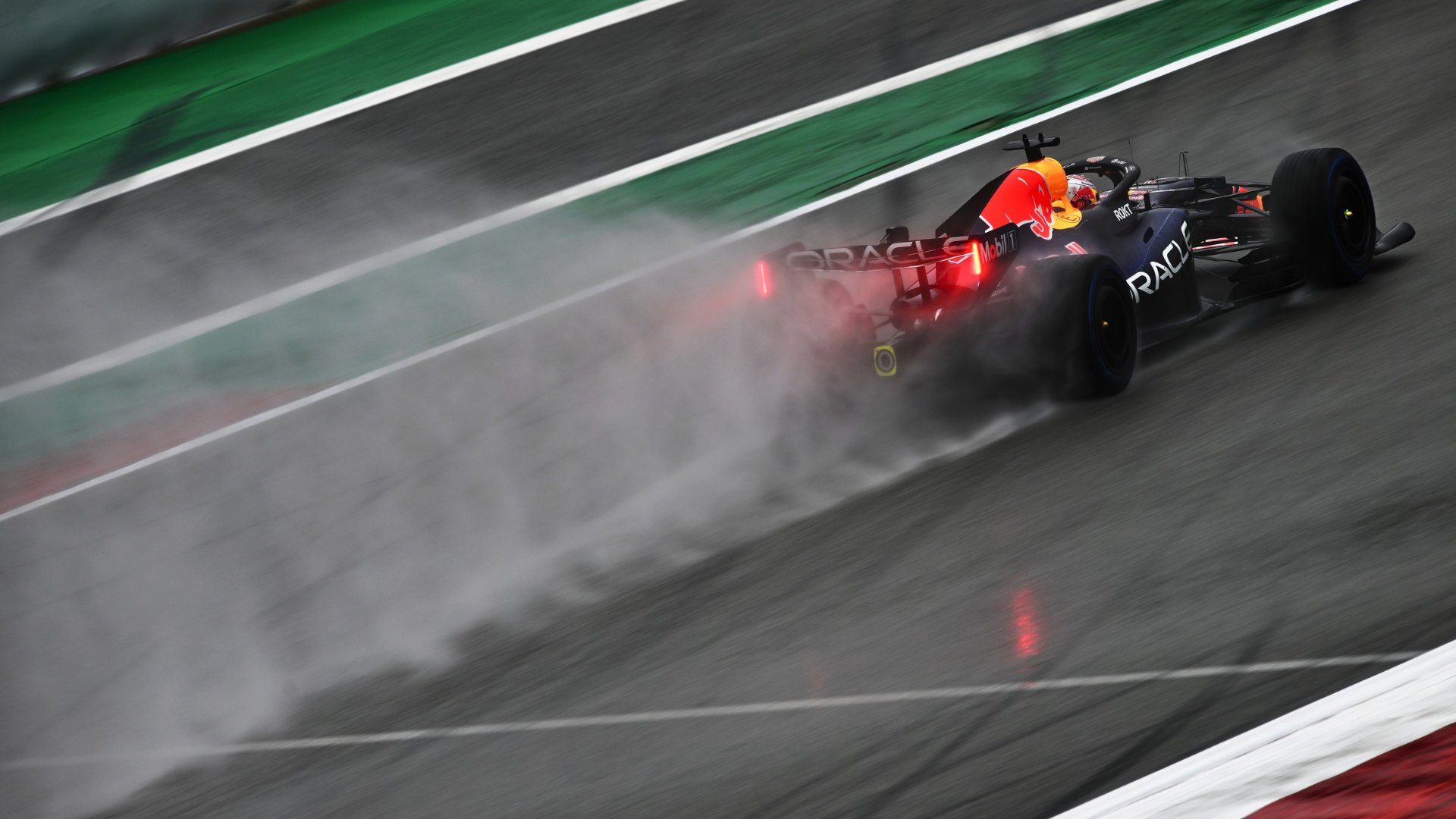
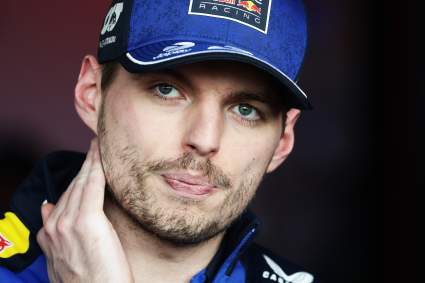
While Red Bull’s engineers project confidence, their lead driver has offered a more measured assessment. Max Verstappen acknowledged that the new Ford-backed power unit has made steps forward, but he stopped short of calling it race-ready.
During a private five-day shakedown in Barcelona, Verstappen’s track time was limited by team scheduling, weather interruptions, and a setback involving teammate Isack Hadjar. Even so, Verstappen logged 118 laps on the final day and came away encouraged, if realistic. He described the early development phase as productive but emphasized that significant work remains—an expected reality when introducing a brand-new engine amid sweeping regulatory changes.
That tone stands out given Red Bull’s recent dominance. Verstappen’s comments suggest the team understands that success in the previous era offers no guarantees in the next one, especially as a first-time power unit supplier.
As Red Bull finds its footing, Mercedes-AMG Petronas F1 Team has emerged from testing looking polished and prepared. Mercedes logged the most mileage in Barcelona, capped by a full race simulation from rookie Andrea Kimi Antonelli. George Russell pointed to reliability and data collection as the team’s primary objectives—goals they appear to have met with ease.
That contrast matters. Red Bull may have won the previous era, but 2026 resets the competitive order, and Mercedes’ experience as an established power unit supplier could provide an early edge.
For Red Bull, the message is clear. The engine is legal. And while the progress is real, Verstappen’s honesty underscores that the project is still underway. With a 24-race season ahead, the true verdict on Red Bull’s bold power unit gamble will arrive not in technical debates, but on the stopwatch.





Red Bull Shrugs Off Engine Controversy as Verstappen Flags Key Development Gaps