
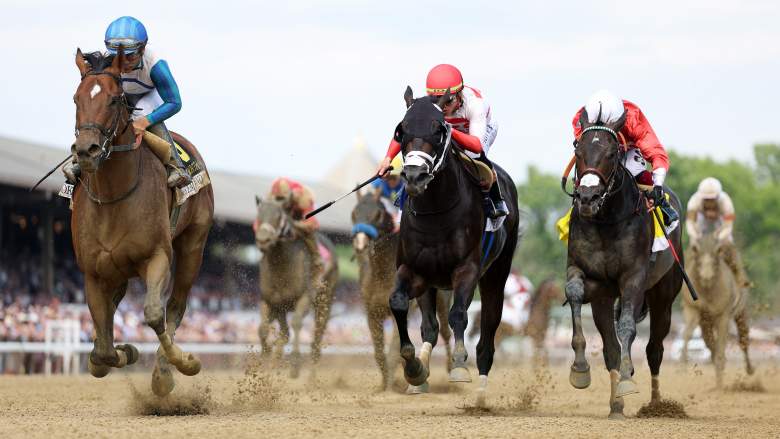
For generations of horse racing fans, the words “the Big A” meant more than just another racetrack. They represented winter afternoons in Queens, legendary performances from Hall of Fame horses, and a gathering place for some of the sport’s most knowledgeable and loyal fans.
That chapter comes to an end on Sunday, June 28, when Aqueduct Racetrack hosts its final day of live racing before permanently closing. After more than 131 years of operation, the historic New York venue will give way to a new era as the New York Racing Association shifts its downstate racing operations to the rebuilt Belmont Park, scheduled to open in September.
The closure marks the end of one of the most recognizable racetracks in American horse racing history, a venue that witnessed everything from Hall of Fame champions to Triple Crown prep races, Breeders’ Cup championships, Hollywood productions and even a visit from Pope John Paul II.
More Than Just a Racetrack
Few people understand Aqueduct’s significance better than former jockey Richard Migliore.
A native New Yorker who grew up just miles from the track, Migliore became synonymous with the Big A during a career that saw him win 2,238 races there – more than any jockey in the venue’s history. He has often credited Aqueduct with igniting his passion for horse racing after visiting as a child with his father.
Today, Migliore serves as a television analyst for NYRA, but his memories of Aqueduct stretch back decades. Like many horsemen, he remembers the track as New York’s working-class racing home, where knowledgeable handicappers packed the grandstand regardless of weather conditions.
That blue-collar identity became part of Aqueduct’s personality. While Saratoga offered tradition and Belmont showcased grandeur, Aqueduct became the place where serious racing fans gathered throughout the winter and early spring, often enduring snow, wind and freezing temperatures simply to watch great horses compete.
A History That Helped Shape American Racing
Aqueduct first opened on Sept. 27, 1894, on former farmland in Queens that had once been part of Brooklyn’s water system, giving the track its now-famous name.
Its early years were modest. The original grandstand seated roughly 2,000 spectators, and crops were still growing inside the infield when racing began. Initially measuring just six furlongs, Aqueduct wasn’t even recognized by The Jockey Club because it failed to meet the organization’s one-mile minimum, earning the label of an “outlaw track.”
Those humble beginnings didn’t stop the venue from becoming one of the nation’s most important racing destinations.
Hall of Fame trainer James “Sunny Jim” Fitzsimmons attended Aqueduct’s opening card as a young horseman before eventually becoming one of the sport’s greatest conditioners. Man o’ War delivered two stakes victories there before defeating rival John P. Grier in the historic 1920 Dwyer Stakes.
Decades later, stars like Kelso, Buckpasser, Dr. Fager, Secretariat and Cigar would all add memorable chapters to Aqueduct’s history.
The track also evolved physically over time. Major renovations in the 1940s and another complete reconstruction that reopened in 1959 transformed Aqueduct into what was then considered one of the most modern racing facilities in the world.
Countless Memories for Horsemen
While iconic champions defined many of Aqueduct’s biggest afternoons, thousands of horsemen built their careers there.
Trainer Linda Rice became the winningest trainer in Aqueduct history during the modern era, compiling more than 1,200 victories while capturing numerous meet titles. Rather than pointing to her biggest stakes wins, Rice has said many of her favorite memories came during ordinary winter race days spent celebrating victories with owners, stable employees and longtime friends.
“One of the special moments to me was watching Kendrick win his 4,000th race and jump the fence to have his fans supporting him and cheering for him,” Rice said. “That was very special, and that’s how I’ll remember Aqueduct – the passion.”
Hall of Fame trainer Todd Pletcher also established Aqueduct as a cornerstone of his stable, winning more than 220 stakes races there, including multiple editions of the Wood Memorial and Cigar Mile. Jockey Manny Franco collected more than 1,500 victories at the Big A and credits the track with helping launch his career after arriving from Puerto Rico.
Veteran trainer Bruce Levine earned nearly half of his lifetime victories at Aqueduct, while former jockey Nick Santagata described it as the place that made his career possible.
The End of the Big A
The track hosted the 1985 Breeders’ Cup, served as the temporary home of the Belmont Stakes while Belmont Park underwent renovations in the 1960s, appeared in films including A Bronx Tale and The Sopranos, and welcomed approximately 75,000 people for a Mass celebrated by Pope John Paul II in 1995.
In more recent years, Resorts World Casino New York City, which opened adjacent to the racetrack in 2011, generated revenue that significantly boosted New York racing purses and infrastructure investments.
Now, Aqueduct’s final race card will close one of the longest-running chapters in American Thoroughbred racing.
While the new Belmont Park promises modern amenities and a state-of-the-art facility, the closing of Aqueduct represents something that cannot be replaced. More than a century of racing history, unforgettable champions and lifelong memories will remain tied to the oval in Queens.

Aqueduct Racetrack Set to Close After More Than a Century of Racing History