
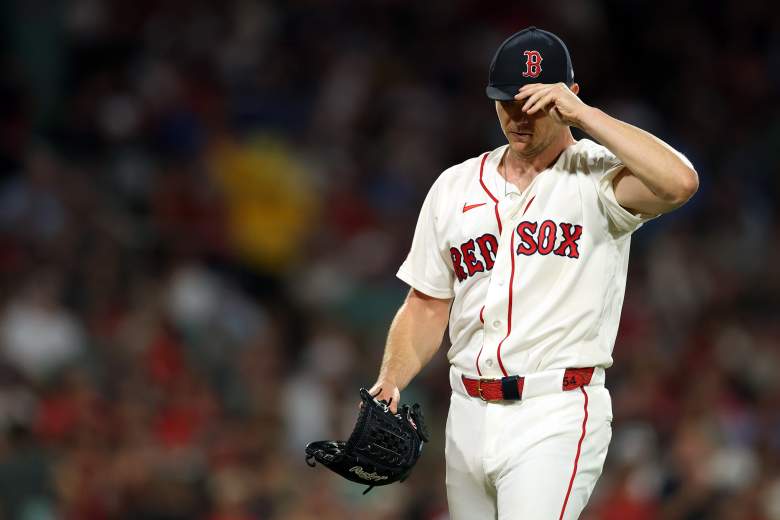
The Boston Red Sox’s 2026 payroll is estimated at $200 million. The biggest commitments show why total spending alone cannot explain whether Boston got good value.
Some investments delivered dependable pitching. Others bought limited offensive production or covered obligations to players who had already departed.
As of October 22, FanGraphs’ RosterResource estimates Boston’s player payroll at $203.4 million and its luxury-tax payroll at $271.8 million. Both figures remain estimates. Tax payroll uses contract average annual values and additional benefits, rather than simply adding that season’s salary payments.
That distinction matters before evaluating where Boston’s money went.
Where the Red Sox Committed Their Payroll
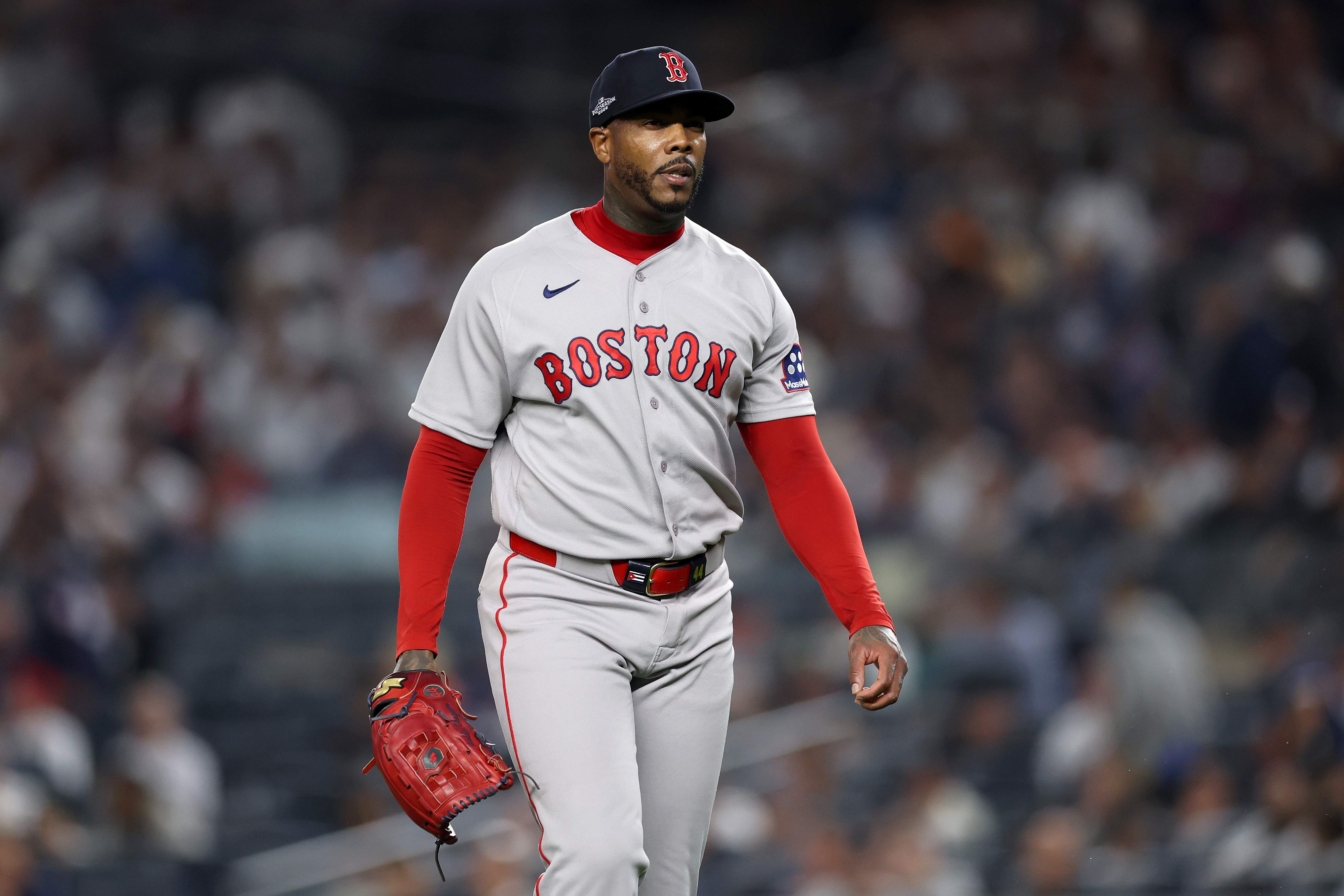
Six established starters accounted for approximately $66.3 million in listed payroll allocations: Garrett Crochet, Sonny Gray, Ranger Suárez, Brayan Bello, Patrick Sandoval and Tanner Houck.
That calculation subtracts the $20 million St. Louis contributed toward Gray’s listed $31 million salary. Boston’s resulting $11 million share excludes his separate $10 million option buyout.
Those six pitchers represented roughly one-third of the estimated player payroll. That is a substantial commitment before counting every pitcher who started a game.
Spotrac’s salary table lists $13 million for Aroldis Chapman and $7.5 million for Garrett Whitlock, another $20.5 million committed to two bullpen roles.
On the position-player side, Trevor Story’s $25 million and Masataka Yoshida’s $18.6 million combined for $43.6 million, approximately 21% of the estimated payroll.
Another $9 million in listed obligations covered Jordan Hicks payments, Walker Buehler’s buyout and Rafael Devers’ signing-bonus installments. Those dollars reflect roster decisions whose financial effects outlasted the players’ departures.
Separating current player costs from past obligations also helps explain why a team can carry a sizable payroll while still needing help at important positions.

What Boston Got for Its Money
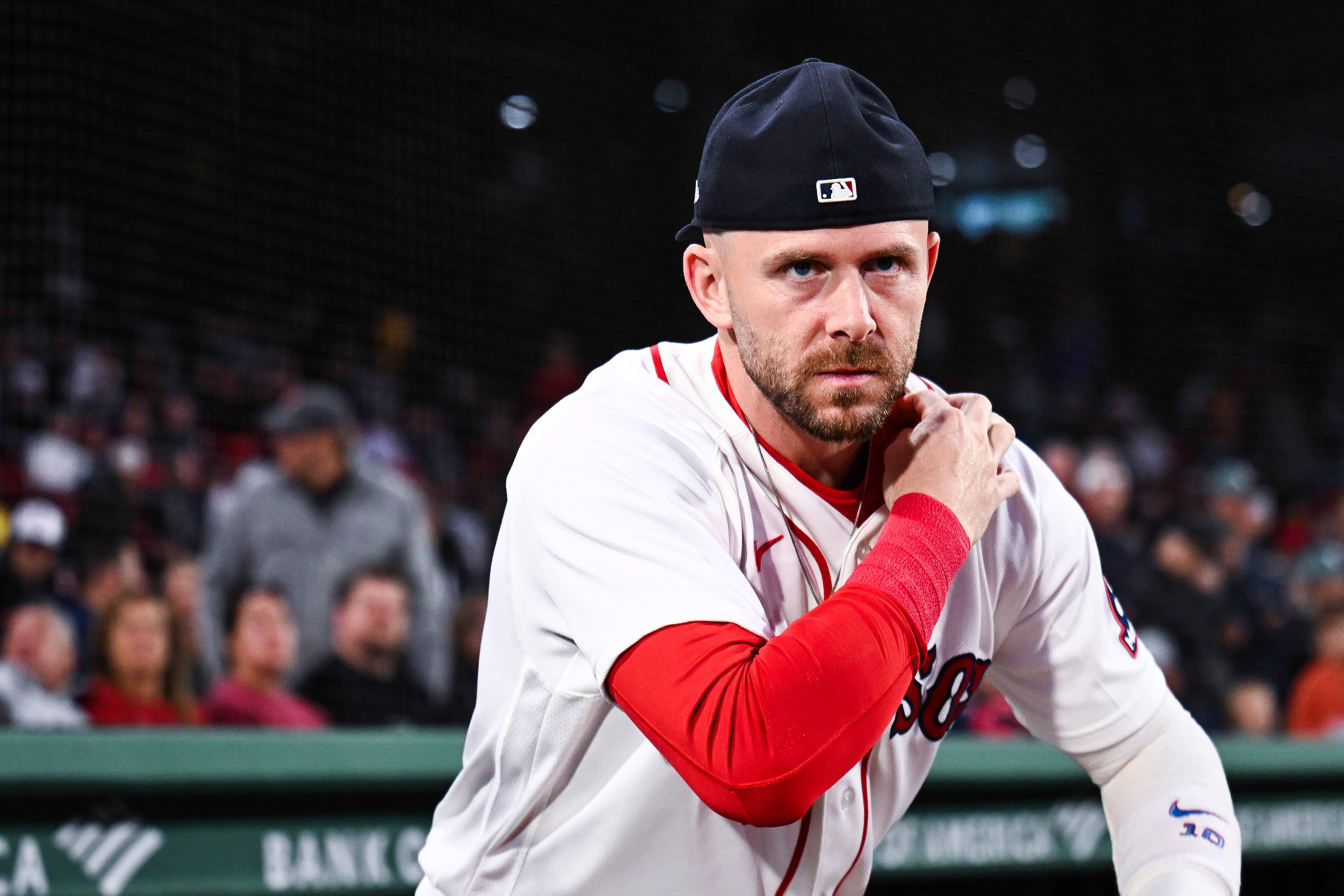
Gray provided a strong return on Boston’s regular-season share. His 2026 statistics show a 2.72 ERA across 169 innings and 29 starts.
That workload gave Boston something valuable: reliable innings at a substantially lower cost after the Cardinals’ contribution.
The offensive return from Story and Yoshida was harder to justify at their combined price.
Story finished with a .235 batting average, .271 on-base percentage and five home runs in 251 at-bats. Yoshida produced a .274 average, .347 on-base percentage and five homers in 263 at-bats. Injuries affected both players’ availability.
Those batting totals do not measure defense or every contribution. They nevertheless show how two substantial commitments delivered limited offensive volume.
Meanwhile, Wilyer Abreu’s listed allocation was $810,000. He supplied 24 home runs and a .773 OPS, providing inexpensive production that helped balance the roster’s more costly commitments.
His salary reflects baseball’s pay system for players early in their careers, which makes direct comparisons with veteran contracts imperfect.
The payroll therefore produced several different outcomes. Boston received meaningful value from Gray and inexpensive offense from Abreu, while expensive lineup commitments and obligations to former players absorbed substantial resources.
For the next roster decision, Boston should weigh each additional dollar against the production it can reasonably purchase.
Red Sox’s 2026 Payroll: Where Did the Money Go?