
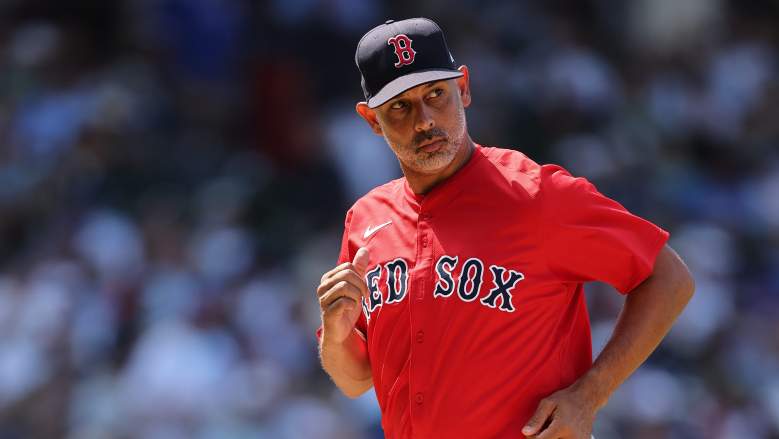
Just days after the Boston Red Sox made the stunning decision to move on from Alex Cora, the full scope of his impact on the organization is coming into sharper focus — and it stretches far beyond a single season or headline.
Cora’s story in Boston is not just about a managerial tenure. It’s about a rare, two-chapter legacy: first as a steady, under-the-radar player, and later as one of the most influential managers the franchise has seen in the modern era.
Alex Cora’s Red Sox Playing Career: A Trusted, Versatile Piece
Long before he took over the dugout, Cora built his reputation as a reliable infielder with a sharp baseball mind.
He joined Boston during the 2005 season after beginning his career with the Los Angeles Dodgers. Across four seasons with the Red Sox (2005–2008), Cora primarily served as a utility infielder, valued for his defensive flexibility and situational awareness.
Across his full MLB career (1998–2011), Cora appeared in 1,273 games and recorded:
- .243 batting average
- 828 hits
- 35 home runs
- 286 RBIs
In Boston, his numbers were solid but not headline-grabbing. His value came in preparation, leadership, and dependability — traits that would later define his managerial style.
Cora was also part of the 2007 World Series championship team, giving him his first title with the organization.
2018: A First Season That Changed Everything
When Cora returned to Boston as manager ahead of the 2018 season, expectations were high. What followed was historic.
In his first year:
- The Red Sox went 108–54, the best record in franchise history
- They dominated the postseason
- And defeated the Los Angeles Dodgers to win the 2018 World Series
Cora became just the fifth manager in MLB history to win a World Series in his first season, immediately cementing his place in Red Sox history.
Managerial Tenure: Wins, Setbacks, and a Complex Run
Cora’s time as manager was defined by both elite success and real turbulence.
Across parts of eight seasons managing Boston, he compiled:
- 620–541 record
- .534 winning percentage
- 1 World Series title (2018)
He also managed the American League in the 2019 All-Star Game, another sign of how quickly he earned respect across the sport.
After 2018, Boston remained competitive but inconsistent. The team reached the ALCS in 2021, but sustained dominance proved difficult as the roster evolved.
Cora’s tenure was interrupted in 2020 when he was suspended for his role in the Houston Astros’ 2017 sign-stealing scandal. Boston moved on at the time, but rehired him ahead of the 2021 season — a decision that reinforced how highly the organization valued his leadership.
From 2021 through 2025, Cora managed a team in transition, balancing veterans with emerging young players while navigating uneven results.
2026: The Abrupt Ending
The 2026 season ultimately brought everything to a close.
Boston stumbled to a 10–17 start, and despite flashes of offensive potential — including a 17–1 win shortly before the move — the front office chose to make a sweeping change.
Cora was dismissed along with multiple members of the coaching staff, marking the end of one of the most impactful managerial runs in recent franchise history.
A Rare Two-Era Legacy in Boston
Very few figures have impacted the Red Sox in two completely different roles the way Cora did.
- World Series champion as a player (2007)
- World Series champion as a manager (2018)
- Leader of a 108-win team
- One of the defining voices of the organization for nearly a decade
His tenure did not end the way many expected. But the full body of work leaves little room for debate.
Alex Cora helped shape two eras of Red Sox baseball — and his place in franchise history is secure.




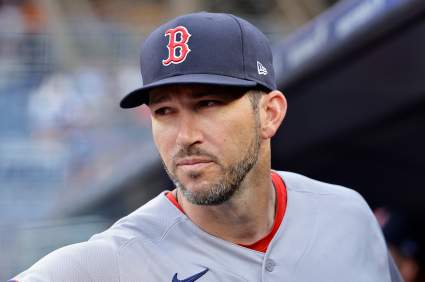


Alex Cora’s Full Red Sox Legacy: From Underrated Player to World Series–Winning Manager