

In a stunning reversal of fortune, Detroit Tigers infielder and outfielder Javier Báez, who earned an American League All-Star nod earlier this year, was named by Hall of Fame-adjacent writer Jayson Stark as the least valuable player in the AL for the second half of the season. That label comes after months in which Báez’s second-half performance cratered, contributing to Detroit’s dramatic slide in the AL Central.
This isn’t just a critique of a slump; it’s a symbol of the Tigers’ larger collapse. Once comfortably ahead in their division, the club has watched its lead vanish. In that broader context, Báez’s fall from grace is emblematic of how fragile success can be in baseball, and how quickly elite promise can evaporate under underperformance.
“That’s when it hit me: All-Star Game starter Javy has turned into Perennial LVP [least valuable player] candidate Javy right before our eyes. And hard as I tried, I was unable to look the other way,” Stark said.
The First-Half Surge: Why Báez Earned All-Star Respect
To understand how shocking this was, you have to look back at Báez’s first-half resurgence. He entered the season shadowed by his enormous six-year, $140 million deal, a contract that many considered one of the worst in baseball given his prior underperformance. In 2024, Báez’s win-above-replacement (bWAR) was a dismal -1.1, and critics often cited him as a burden on Detroit’s payroll.
2025 appeared to be a redemption arc. By midseason, Báez posted a slash line of .275/.310/.442, hit 10 home runs, drove in 39 runs, and added value defensively whether in center field or at shortstop. His contributions were strong enough to justify his All-Star selection and raised hopes of returning him to meaningful form in the Tigers’ lineup.
Those first-half numbers also showed he wasn’t just lucky; he was contributing in multiple ways (offense, defense, versatility). That made his second-half collapse all the more jarring: when you’re held to a high standard, the drop is more conspicuous.
The Freefall: Disastrous Second-Half Metrics
Once the All-Star break passed, Báez’s performance regressed sharply. In the second half, he posted a slash line of .213/.221/.294, with only a single home run and a wildly high strikeout rate. Both his tOPS+ (54) and sOPS+ (42) collapsed from their first-half heights (123 and 109, respectively).
Stark’s LVP designation stems from raw statistical context: during this stretch, Báez ranked last in the American League in OPS+ and on-base percentage. On the road, his wRC+ hovered around -1, effectively meaning he was dragging team offense rather than helping it.
In short: Báez went from being a multifaceted contributor to a net negative on both sides of the ball. That kind of collapse is rare, even in baseball’s long season, and underscores the volatility and risk inherent in big contracts for players past their peak.
What This Means for the Tigers
Báez isn’t solely responsible for Detroit’s meltdown–they’ve had pitching woes, injuries, and roster instability, but this level of decline from a star signing cripples flexibility. When one of your marquee players becomes a liability, it forces management’s hand.
The Tigers’ fall has been steep. Once up by 15.5 games in the AL Central, they’ve seen their cushion evaporate as Cleveland surged and Detroit cooled off. The collapse feels, in part, like a cautionary tale in roster construction: paying for past prestige doesn’t guarantee future results, especially when downward trends may already be in motion.
Going forward, Detroit must figure out whether Báez has enough gas left in the tank to earn more than he costs. They may need to reconsider playing time, defensive positioning, or even exploring trade possibilities (if there’s any market). The relationship between expectation and performance is unforgiving in baseball; failing to course correct could cost the Tigers a postseason run.








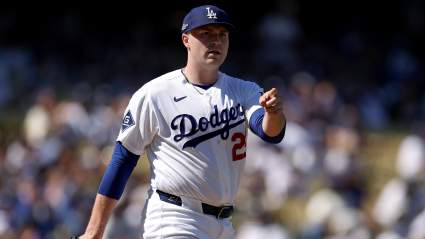


HOF Writer Calls Tigers’ All-Star the AL’s Least Valuable Player of Second Half