
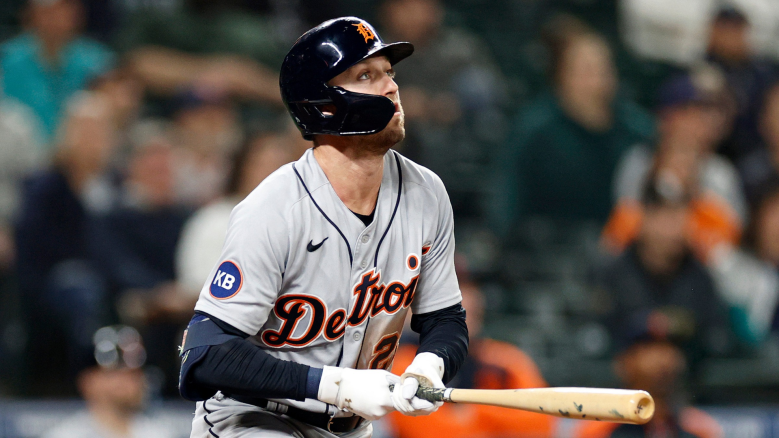
Kody Clemens returned to the Detroit Tigers’ path Monday and provided another reminder that his career has changed considerably since the organization traded him.
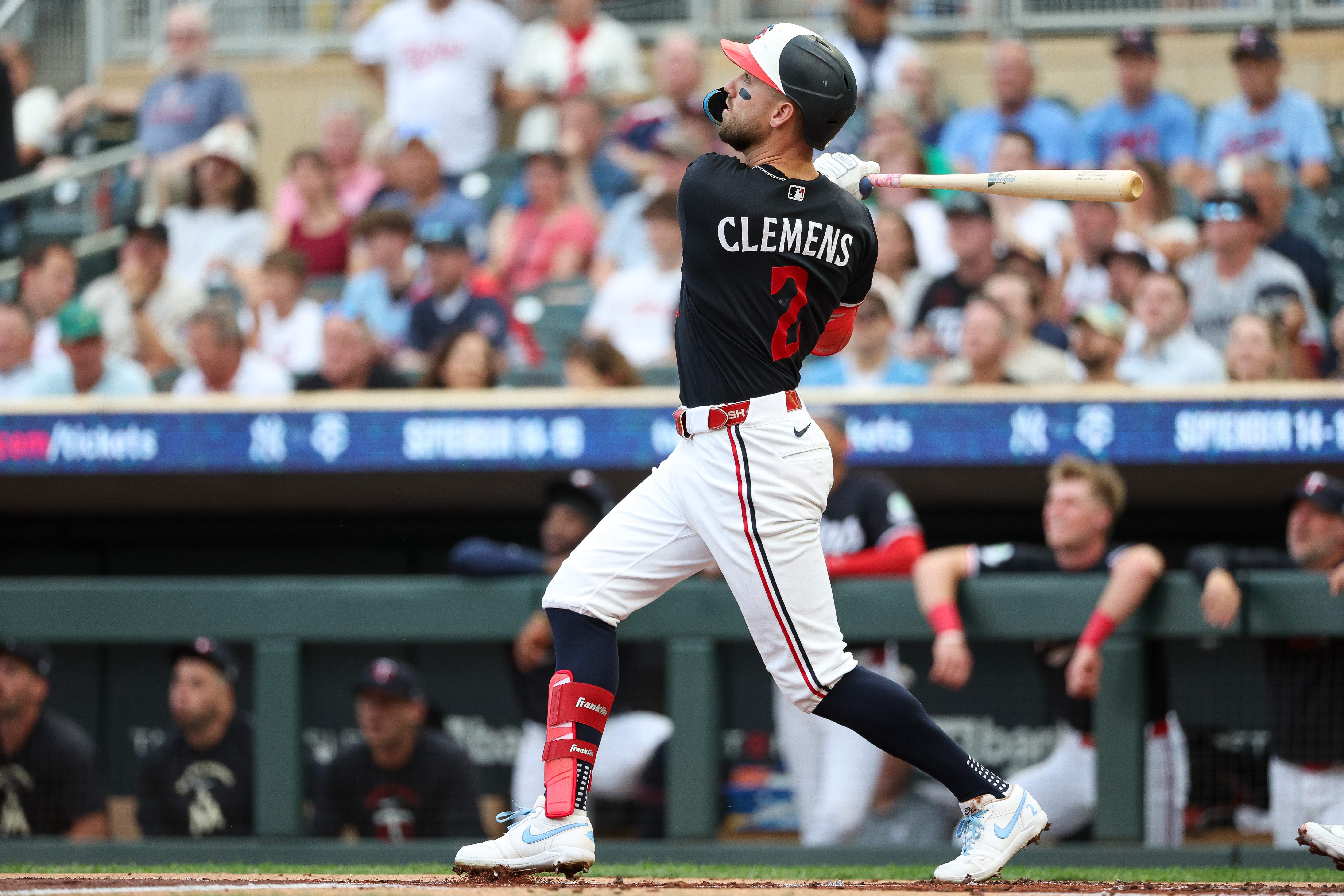
The Minnesota Twins utilityman drove a Jackson Jobe curveball 398 feet for his 23rd home run, extending Detroit’s deficit during an eventual 11-1 loss. Clemens also delivered a first-inning sacrifice fly and worked a 12-pitch walk before scoring on Ryan Jeffers’ three-run homer.

He’s now up to a 109 wRC+ this season 💪
One strong game cannot decide whether Detroit made the correct trade in January 2023. Clemens was only one part of a five-player transaction centered on former Tigers closer Gregory Soto. His career-best power season nevertheless makes the deal worth revisiting.
Clemens Has Become More Than a Depth Bat
Detroit selected Clemens in the third round of the 2018 MLB draft and promoted him to the Major Leagues in 2022. The Tigers traded him and Soto to Philadelphia for Matt Vierling, Nick Maton and Donny Sands the following offseason.
Clemens never established himself as a regular with Philadelphia. The Phillies designated him for assignment in April 2025 before sending him to Minnesota for cash. That inexpensive move has aged exceptionally well for the Twins.
The 30-year-old entered September batting .238/.294/.466 with 23 home runs and 69 RBIs. His official MLB profile lists him 14th in the American League in home runs and 12th in slugging percentage.
The official home-run video showed a 104.4-mph exit velocity. NBC Sports also noted that the homer continued a productive late-season stretch, giving Minnesota another useful left-handed power source.

Detroit’s Return Still Complicates the Verdict

Clemens’ success does not automatically mean the Tigers lost the trade. Soto was the primary player Detroit surrendered, and Vierling became a versatile Major League contributor capable of playing around the diamond. Maton also received an extended opportunity, while Sands supplied catching depth.
The outcome looks less comfortable now because Vierling has struggled to stay healthy in 2026, while Maton and Sands no longer factor into Detroit’s plans. Clemens, meanwhile, has turned himself into a productive player for an American League Central opponent.
That distinction matters. Minnesota did not pay Detroit directly for Clemens; the Twins acquired him from Philadelphia more than two years later. Blaming the original trade for everything that happened afterward would ignore the development and opportunity he received with another organization.
Still, Clemens’ improvement raises a fair player-development question. Detroit saw his defensive flexibility and left-handed power first, yet it never found a sustainable role for him. Minnesota now uses him at first base, second base and across the outfield.
Monday’s performance gave the debate a timely visual. Clemens drove in Minnesota’s first two runs while Detroit’s reshaped lineup managed only one. The Reuters game report confirmed that the former Tigers pick helped send his original organization to its 10th loss in 12 games.
The trade remains more complicated than one revenge homer. Clemens’ 23rd, however, ensured that Detroit can no longer evaluate it without acknowledging the player he eventually became.
Former Tigers Pick’s 23rd Homer Reopens an Uncomfortable Detroit Trade