

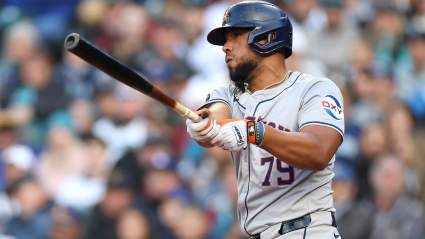
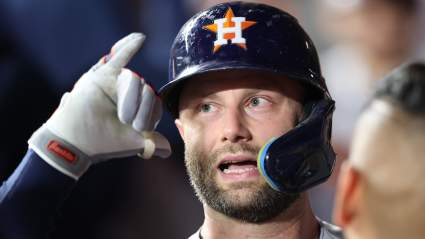
Trade chatter surrounding Houston Astros infielder Isaac Paredes hasn’t slowed as spring training approaches, but the picture coming into focus suggests Houston is in no rush to make a move—and doesn’t need to.
Paredes has drawn consistent interest this winter, most notably from the Boston Red Sox, who are searching for stability at third base after Alex Bregman opted out and signed with the Chicago Cubs. On paper, the fit makes sense. Boston needs an infielder. Houston could use outfield help or pitching depth. The reality, however, appears far more complicated.
Why Houston Isn’t Feeling Pressure to Move Paredes
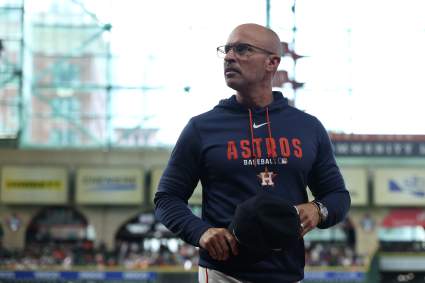
The Astros’ leverage starts with control. Paredes still has two years of team control remaining, giving general manager Dana Brown little incentive to settle for a modest return. Unless a deal meaningfully improves the roster, Houston can simply bring Paredes into camp and continue experimenting with his defensive versatility.
That leverage is a major reason some around the league question whether a trade with Boston ever made sense. Red Sox beat writer Sean McAdam of MassLive expressed skepticism that Boston should be willing to meet Houston’s asking price, even with its surplus of talent.
McAdam noted that the Red Sox could theoretically entice Houston with players such as Jarren Duran, Wilyer Abreu, or young pitchers like Payton Tolle and Connelly Early. Still, he argued that surrendering that level of talent for Paredes would be a mistake for Boston.
McAdam’s assessment cuts to the core of the issue: while Paredes is a solid player, evaluators remain split on his overall impact. He profiles as an average defender and doesn’t bring the kind of elite power that typically commands a premium return. From Boston’s perspective, overpaying to fill a single position could create more problems than it solves.
Red Sox-Astros Talks Appear to Be Cooling
Recent reporting also suggests the parameters of a potential deal may already be narrowing. Houston sports insider Will Kunkel reported that Duran is not currently part of trade discussions between the two teams. That detail matters because Duran has often been viewed as Boston’s most obvious trade chip in a deal for Paredes.
If Duran is off the table, the Astros may prefer Abreu, who is younger, under control longer, and fits more cleanly into Houston’s right-field needs. Abreu’s defensive résumé—including back-to-back Gold Gloves—also aligns with what the Astros value as they try to balance offense and run prevention.
Even then, there’s no indication Houston feels compelled to strike now. The closer the calendar moves toward spring training, the more likely the Astros are to simply carry Paredes into camp and evaluate his role internally. With Boston also linked to other infield options such as Nico Hoerner and Brendan Donovan, urgency appears to be fading on both sides.
At this point, the dynamic is clear. If a trade happens, it will be because Houston receives an offer it can’t ignore. Until then, Paredes remains an Astro—and the longer this drags on, the more it favors the team already holding the asset.




Astros Hold Firm as Infielder Trade Buzz Continues