

The 2025 NLCS between the Los Angeles Dodgers and Milwaukee Brewers isn’t just a clash for the NL pennant and a trip to the world series. It is a symbolic battle for the future of Major League Baseball’s economic model.
As ESPN’s Jeff Passan writes, “The winner of the National League Championship Series could determine whether Major League Baseball is played in 2027.”
With the current collective bargaining agreement set to expire in December 2026, this matchup represents two opposing forces: the Dodgers’ record-breaking $500 million payroll versus the Brewers’ small-market efficiency.
Owners will potentially use a Dodgers victory as ammunition to push for a salary cap, while a Brewers win would strengthen the players’ argument that success doesn’t hinge on massive spending.
Dodgers Represent Baseball’s Big-Money Power
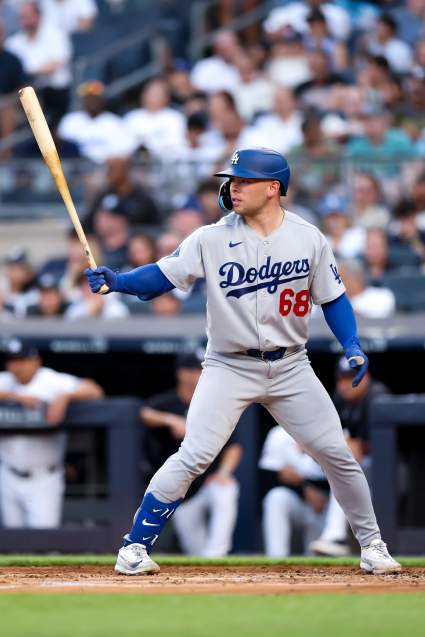
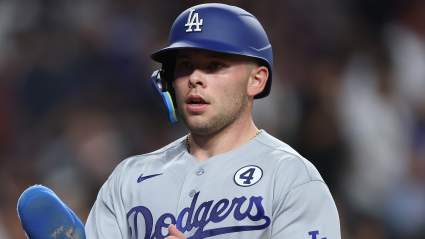
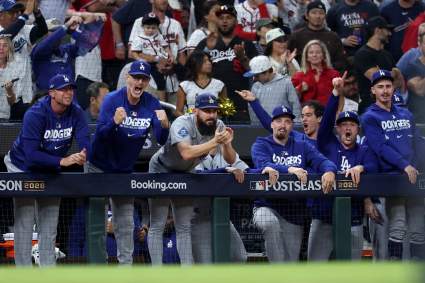
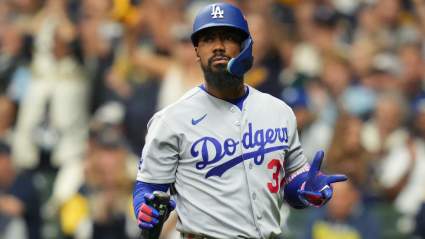
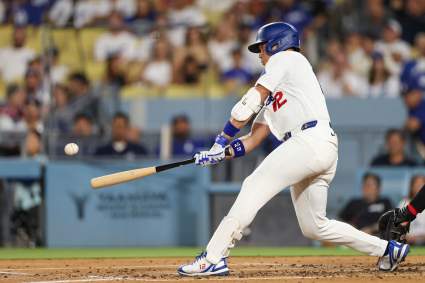
The Dodgers have become the face of baseball’s financial power structure, winning 12 of the last 13 NL West titles and two World Series since 2020.
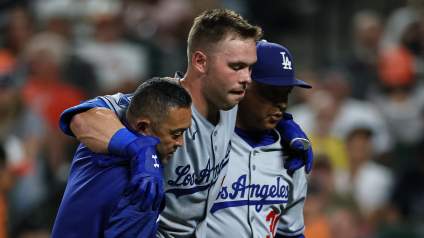
The Dodgers’ star-studded roster reflects baseball’s widening financial gap.
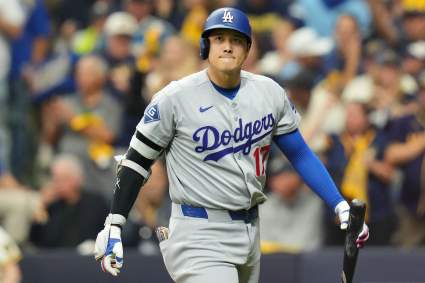
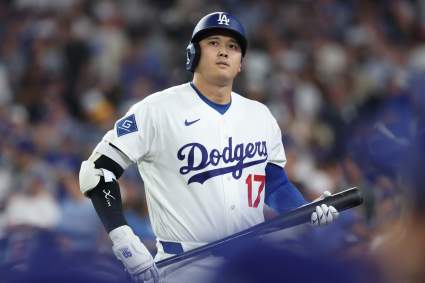
Shohei Ohtani leads the way with a record 10-year, $700 million deal, averaging $70 million per season. Mookie Betts follows with a 12-year, $365 million contract, while Yoshinobu Yamamoto’s 12-year, $325 million deal adds another massive commitment.
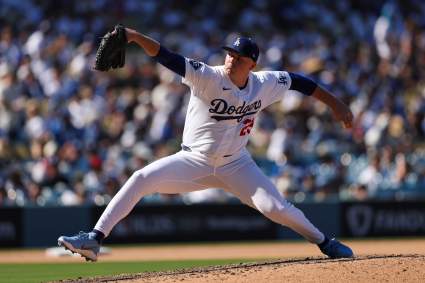
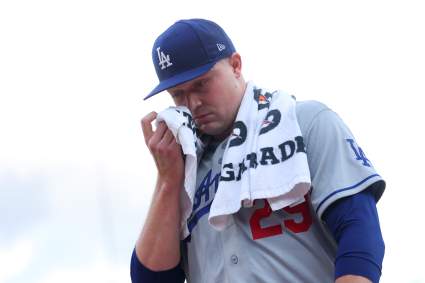
Ace Blake Snell is earning $36.4 million per year on a five-year, $182 million contract, and Tyler Glasnow brings in $32.5 million for 2025. Rounding out the group, Freddie Freeman makes $27 million as part of his six-year, $162 million deal, giving Los Angeles one of the most expensive cores in MLB history.
If Los Angeles repeats as champions, it could embolden MLB to lock out players when the CBA expires, furthering the owners’ narrative that unchecked spending is bad for the league and puts many teams at a disadvantage.
As Passan notes, “Owners across the game want a salary cap and if the Dodgers win back-to-back World Series, it will only embolden the league’s push to regulate salaries.”
Despite the Dodgers’ massive payroll, every team in baseball has the opportunity to spend but many just choose not to. The Mets and Yankees, for example, have spent hundreds of millions yet haven’t won a World Series in over 15 years.
In the end, success comes down to being a well-run, well-managed organization and is proof that winning in October isn’t simply about money.
Brewers’ Blueprint Counters Big-Spending Narrative
On the other side stands Milwaukee, a team that has thrived through player development and great management decisions.
The Brewers’ 26-man NLCS roster includes only one major free agent: left-hander José Quintana who signed for $4 million.
Their rise mirrors that of past low-payroll success stories like the Rays and Guardians, proving that financial might isn’t everything.
If they can beat the Dodgers, the MLB Players Association will point to Milwaukee as living proof that “team-building acumen can exist regardless of financial might.”
A Brewers championship wouldn’t end labor tensions, but it would arm the union with evidence that baseball’s current system can work without a hard salary cap.
Dodgers-Brewers NLCS Could Decide the Fate of MLB’s Future