

In Major League Baseball, there are titans and tankers. However, the disappearing middle class may pose the biggest threat to competitive balance.
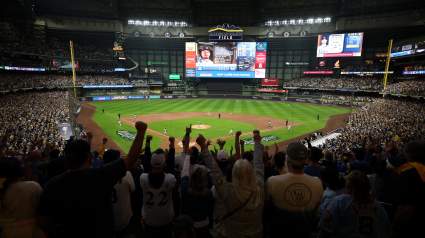
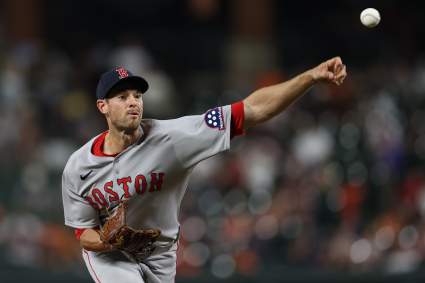
Teams like the Cubs, Red Sox, Cardinals, and Giants are in an identity crisis. They’re too good to bottom out, too cheap to go all-in. The result? Rosters that underwhelm, fan bases that grow restless, and front offices that operate in a constant state of ambiguity. These teams often sit just above the basement and just below the elite, never bad enough for a top draft pick, never bold enough to spend their way into contention.
The Athletic‘s Andy McCullough writes that these franchises once formed baseball’s economic spine. They spent reasonably, developed well, and were perennially in the mix. Now, they hover. They talk about sustainability, but fans see it for what it is: indecision. The middle is starting to rot in a league increasingly defined by extremes.
The Phillies and Padres Model: Risk Meets Reward
If the baseball middle class is in retreat, someone forgot to tell the Padres and Phillies. Once laughingstocks, both franchises made the radical decision to spend like the big boys, and the results have been transformative.
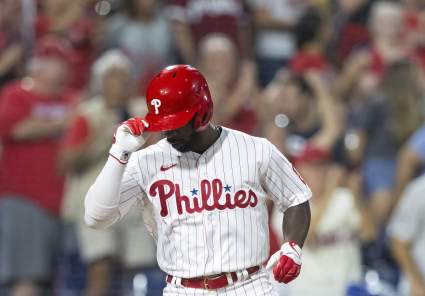
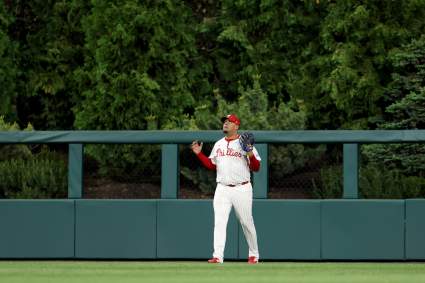
The Phillies locked up Bryce Harper, Trea Turner, and Zack Wheeler. They’ve built a veteran-heavy roster that feels more like a playoff team from the early 2000s than a modern rebuild. But guess what? They win. They fill the stadium. Their fans care.
Same goes for the Padres, who poured money into Manny Machado, Xander Bogaerts, and Yu Darvish, while giving Fernando Tatis Jr. a long-term deal. The late Peter Seidler’s financial commitment turned San Diego from a baseball afterthought to an NLCS contender. They didn’t win the World Series, but they became relevant—and in baseball’s current ecosystem, that’s half the battle.
The takeaway? Spending doesn’t guarantee a title, but it guarantees a chance. These teams dared to spend when others wouldn’t, and in doing so, they revived both their competitiveness and their brands. In a sport built on narratives, relevance is currency.
Arte Moreno’s Angels: When Spending Goes Sideways
And then there’s the cautionary tale: Arte Moreno’s Los Angeles Angels.
No team has spent more with less to show for it. The Angels gave Anthony Rendon $245 million and got back less than 4 WAR in five years. They had Mike Trout and Shohei Ohtani and couldn’t sniff the postseason. Moreno allowed his front office to spend money on the wrong players without a coherent plan. The result? Chaos disguised as ambition.
Unlike the Phillies and Padres, whose spending has been strategic and cultural, the Angels bought names without building a team. Their approach wasn’t aggressive; it was desperate. They swung big but without purpose. It’s not that spending fails—it’s that bad spending does.
Baseball’s Spending Equation
The Athletic’s reporting lays it bare: the gap between baseball’s haves and have-nots is growing, but the middle class crisis is about more than dollars. It’s about intent.
Mid-tier teams must choose: take the leap or tear it down. Half-measures no longer work in a league increasingly driven by hyper-aggressive contenders or long-term tanking rebuilds. You either buy lottery tickets or stockpile them. Standing still is the one strategy that guarantees irrelevance.
If anything, the Padres, Phillies, and even the Angels offer a roadmap. Spending big can lead to glory. Spending smart sustains it. But failing to pick a path—that’s baseball’s real losing strategy in 2025.

MLB’s Middle-Class Crisis Is Baseball’s Real Nightmare