

The New York Mets did not need another reminder that Juan Soto’s contract would follow every swing, every slump, and every reaction for the next decade.
They got one anyway.
Bleacher Report named Soto one of MLB’s top “villains” in a comic book-themed ranking of players fans love to hate, placing the Mets superstar at No. 6 on its “Sinister Six” list. The charge was blunt: Soto was labeled a “massive sellout” for leaving the New York Yankees and signing his historic 15-year, $765 million contract with the Mets.
That framing was always going to sting in New York.
Soto did not leave a small-market team that had no chance to keep him. He left the Yankees after one season, moved across town, and became the centerpiece of Steve Cohen’s biggest statement yet. Bleacher Report argued that the optics looked different because Soto did not leave over a massive money gap. The outlet cited the reported $5 million discrepancy and the luxury-suite dispute as reasons Yankees fans still view the decision as personal.
That is where the Mets’ reality becomes more complicated.
Because Soto’s so-called villain status is not really about him doing anything wrong. It is about what his contract represents.

Soto’s Contract Made Him an Easy Target
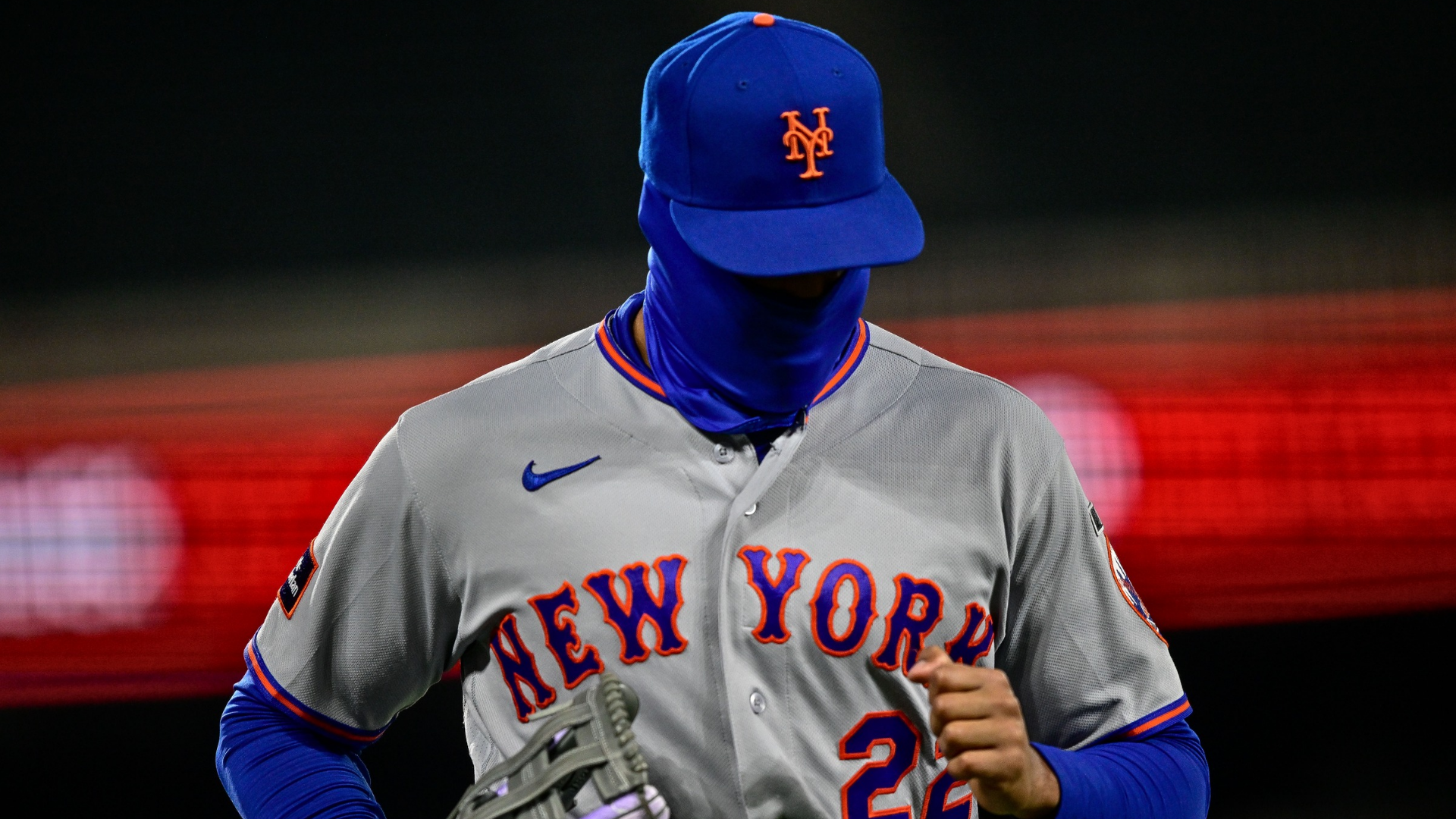
The Mets knew this would happen the moment they outbid the Yankees.
Soto’s deal was never going to be treated like a normal free-agent signing. It was too big, too public, and too attached to two rival New York franchises. Every cold stretch would become a referendum, especially in New York. A quiet game in the Bronx would quickly turn into a storyline, while any visible frustration would invite the same question.
Was he worth it?
Bleacher Report made that point while also lowering the actual threat level around Soto to zero out of five. That detail matters because the article’s criticism was more playful than severe. Soto was not compared to players accused of dirty slides, clubhouse issues, or throwing at hitters. He was placed in a different category altogether.
His “villainy” comes from money, timing, and perception.
That should matter to Mets fans because it shows how thin the line is between superstar and target. Soto has not changed as a hitter. He still controls the strike zone, still gets on base, and still carries one of the most dangerous offensive profiles in baseball. But the uniform changed, and so did the way his decisions get interpreted.

The Mets Need Production to Quiet the Noise
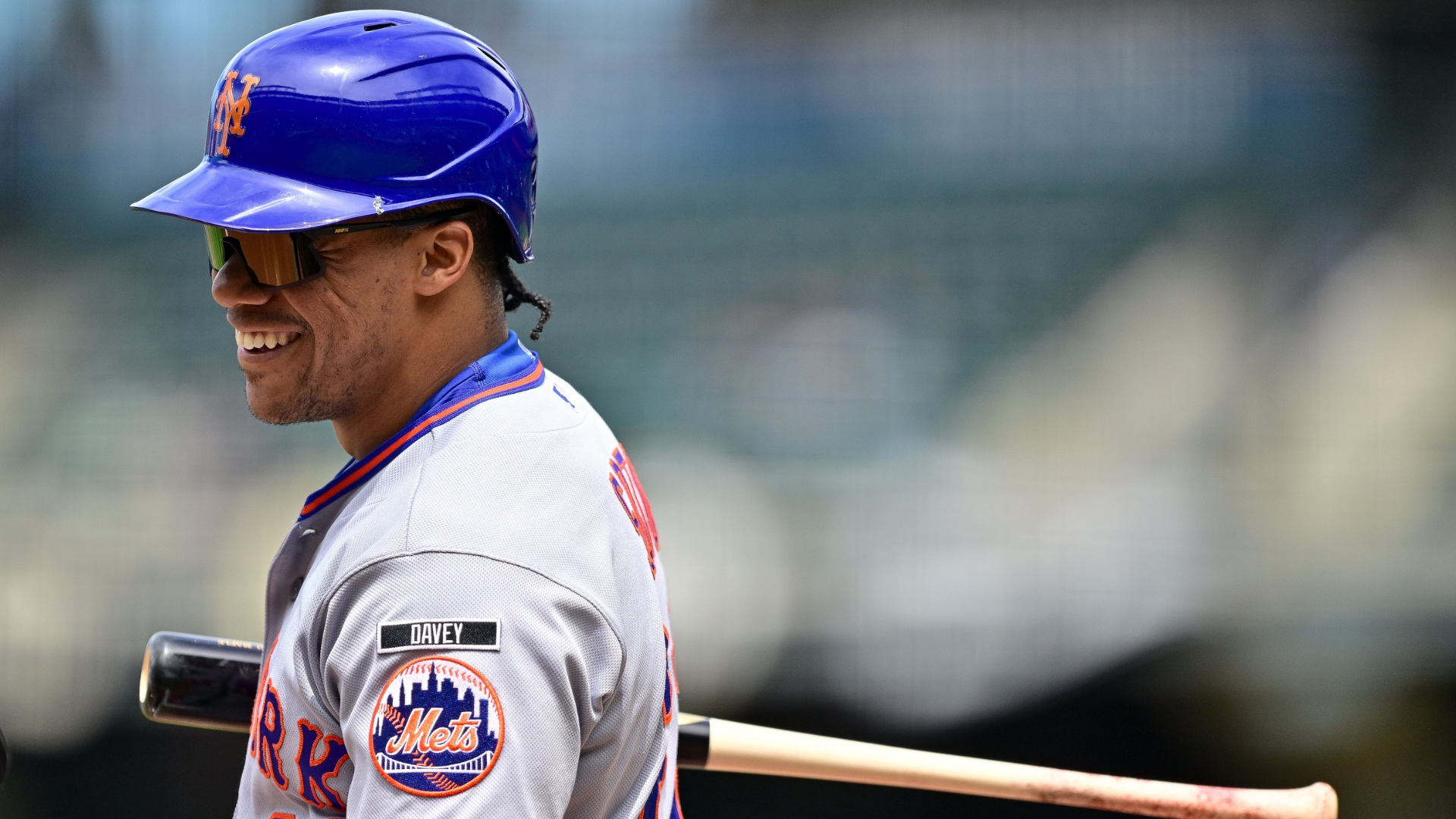
The Mets can live with Soto being viewed as a villain if he produces like the player they paid for.
That is the entire bargain.
Cohen did not commit $765 million to make Soto universally liked. He made that investment because the Mets needed a franchise-shifting bat and a player who could change how people view the organization. In that sense, Soto becoming a target almost proves the Mets accomplished part of the mission.
They made themselves impossible to ignore.
The problem comes if the conversation shifts from envy to concern. Bleacher Report noted that if Mets fans worry the deal is already going poorly, that is the risk of paying above Shohei Ohtani rates for a player who is great but not Ohtani. That comparison is uncomfortable, but it is also unavoidable when a contract reaches that level.
For now, Soto’s place on the villain list says more about New York baseball than it does about his character.
Yankees fans are angry because he left. Mets fans are anxious because they need him to justify the biggest contract in sports history. Everyone else is watching because the drama is too big to ignore.
That may not make Soto a true villain.
But it does make him exactly what the Mets paid for: the center of the baseball world, whether people like it or not.
Mets’ Star Lands on MLB Villain List for Surprising Reason