

The New York Mets are running out of ways to protect Mark Vientos from himself.
Because what began as a role adjustment has quietly turned into a broader concern about whether Vientos can handle the everyday demands the Mets have placed on him.
That is the underlying tension in Mike Puma’s New York Post report. While the struggles of the Mets’ young core have been well documented, Vientos’ situation stands out for how much it has been shaped by circumstance rather than design.
Mark Vientos Is Being Asked to Do Too Much
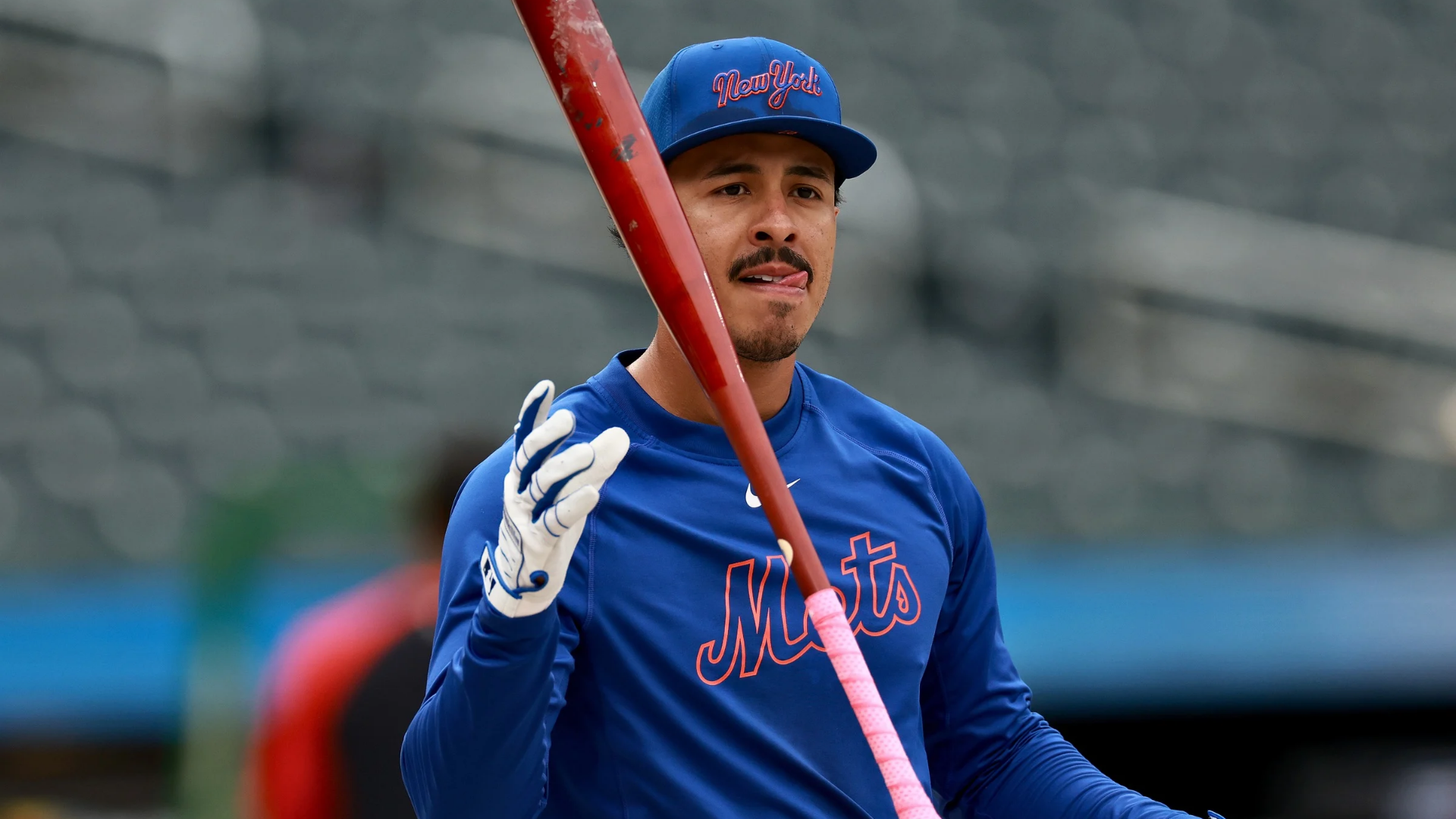
Vientos was never supposed to be this exposed.
The Mets envisioned a more controlled role, one that leaned into his strength against left-handed pitching while limiting his exposure against right-handers. That plan made sense based on his splits, and Puma’s reporting reinforces how stark that difference has been this season.
Entering the weekend, Vientos carried an .833 OPS in limited plate appearances against lefties. Against right-handers, that number dropped to .548.
That is not a minor gap. It is a structural one.
In a healthy lineup, that kind of split would define usage. Instead, injuries to key players forced the Mets to expand his role, turning a platoon bat into an everyday piece.
That shift has consequences.
Vientos is now seeing more right-handed pitching than he should, exposing weaknesses in his approach. The underlying metrics back that up. Puma noted declines in average exit velocity, rising strikeouts, and a lack of walks, all of which point to a hitter who is not controlling at-bats.
This is not just a slump. There is a mismatch between the role and the skill set.

Defensive Growing Pains Are Adding to the Problem
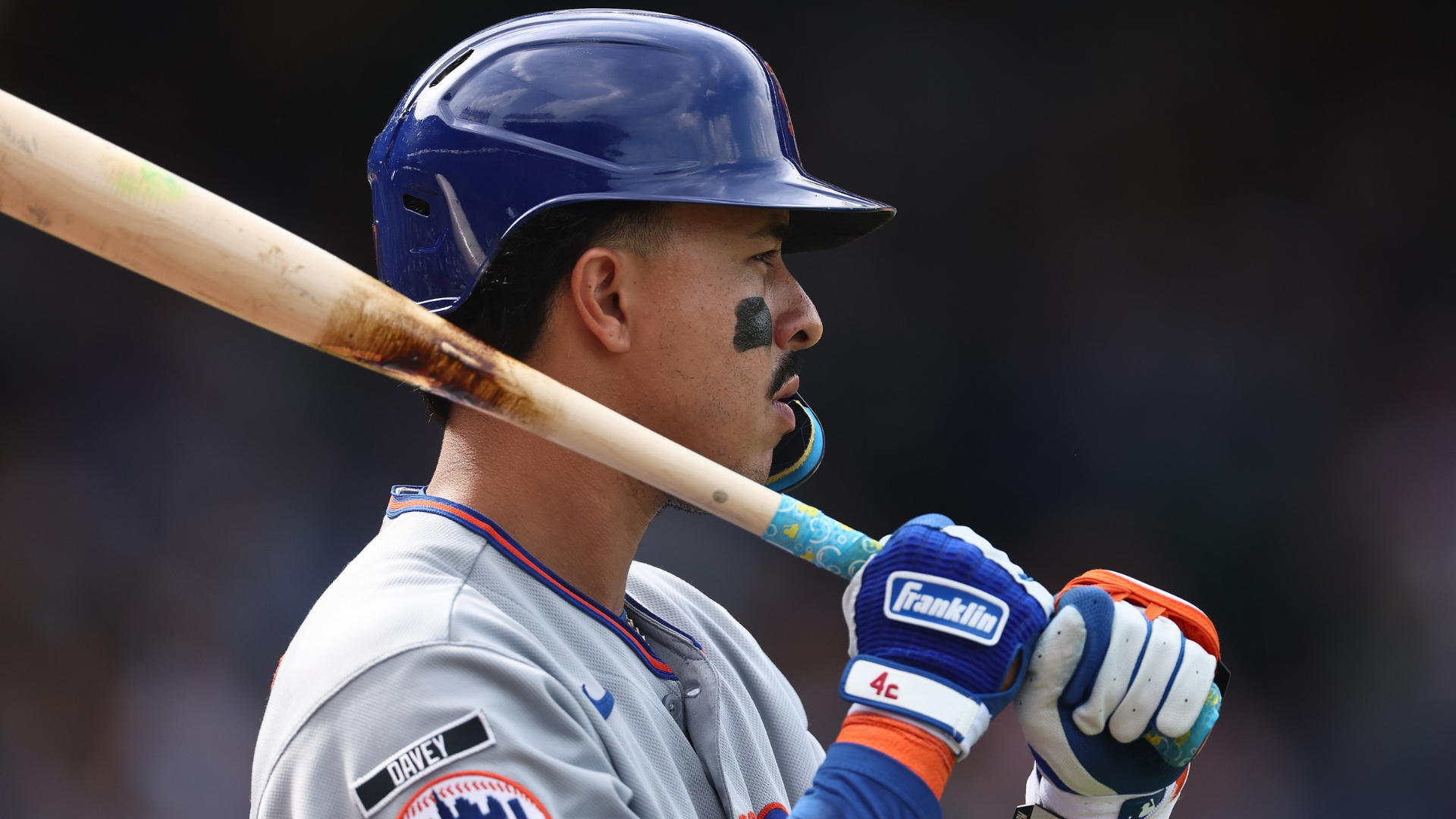
The offensive inconsistency would be easier to live with if Vientos were providing stability elsewhere.
He is not.
Vientos has been adjusting to playing first base more regularly, and while there were early positive signs, the inconsistency has started to show. Puma highlighted both encouraging moments and visible breakdowns, which is typical for a player still learning a position at the major league level.
That learning curve matters more on a team that is already struggling.
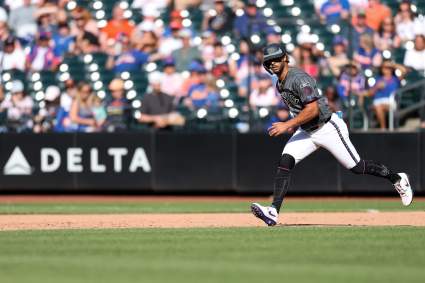
The Mets cannot afford extra outs on defense. They cannot afford baserunning mistakes either, and Vientos has already had moments that raised questions, including running through a stop sign and getting thrown out at home.
Because once the offensive production dips, everything else becomes magnified.
What This Means for the Mets
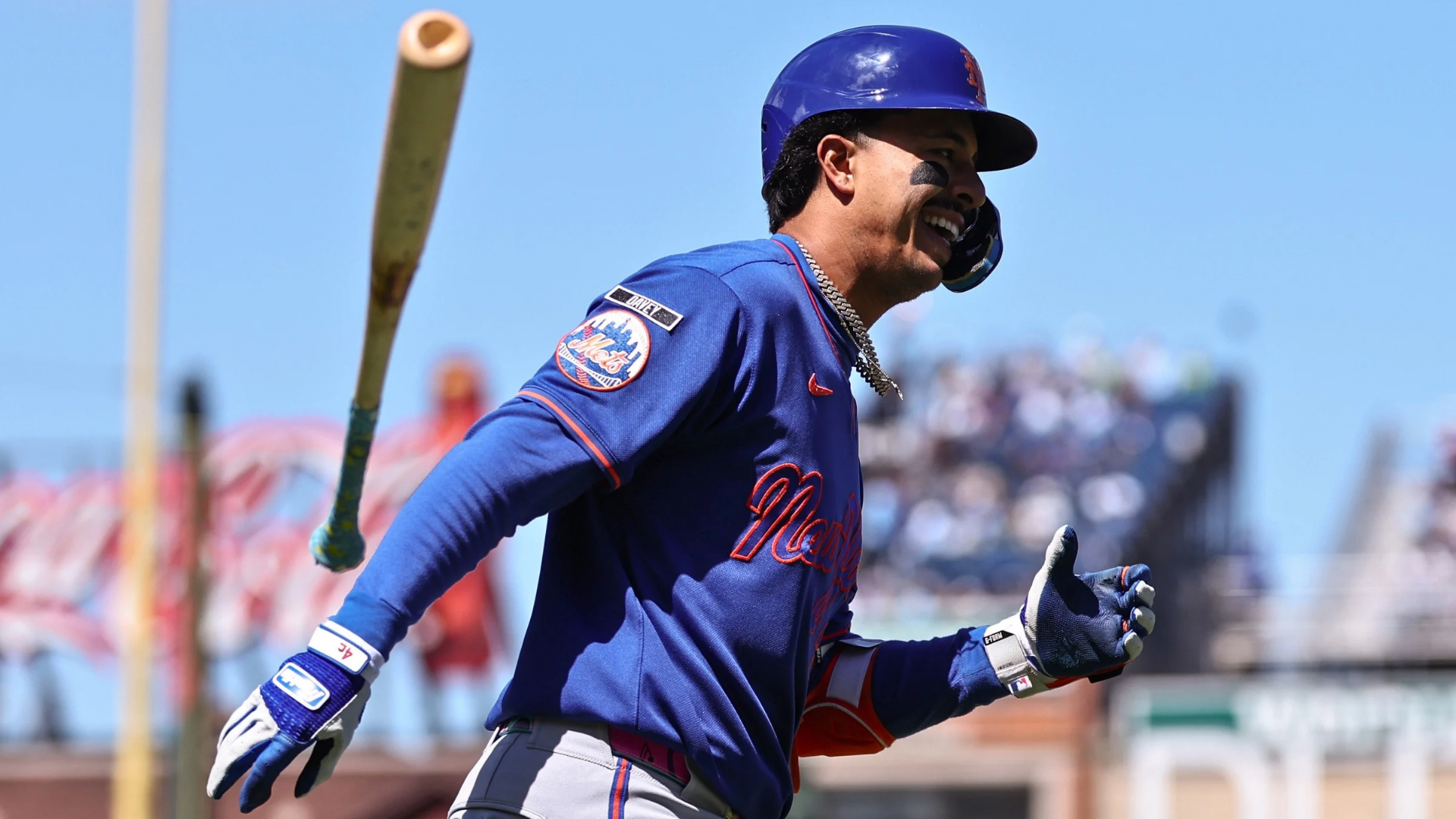
Vientos is not the only reason the Mets are 11-22. But he represents a larger issue within the roster construction.
The Mets are asking players to stretch beyond their ideal roles, and Vientos is the clearest example of what happens when that balance breaks.
He still has value. His success against left-handed pitching is real. His power potential remains intact.
But the current version of Vientos is being judged as something he was never supposed to be.
An everyday answer.
Until the Mets get healthier or adjust how they deploy him, that tension will remain. And if the production does not improve, the conversation will shift from usage to viability much faster than the Mets would like.





Mets’ Infielder Experiment Taking a Turn