

The New York Yankees have built their offensive philosophy around patience, but Trent Grisham’s early-season approach is starting to show how that strength can drift into something less productive.
In a New York Post Sports+ (paid subscription required) report, Mark W. Sanchez highlighted just how extreme Grisham’s selectivity has been to begin the year. Entering play Monday, the Yankees center fielder had seen 242 pitches and swung at only 81 of them, giving him a 33.5 percent swing rate. Among 179 qualified major league hitters, he ranked 178th. Only one hitter in baseball had swung less often.
That kind of number naturally jumps off the page, especially for a Yankees lineup already facing questions about whether it is being too patient at the plate. Grisham told Sanchez the approach is not intentional in the sense that he is trying to swing less. Instead, he sees it as staying true to the same hitting philosophy that helped him last season: only attack pitches he believes he can drive.
That explanation makes sense on paper. Grisham has always been a hitter who values zone control over aggression for aggression’s sake. He said he was once “patient to a fault” earlier in his career, but over time, he learned more about where he likes the ball and which pitches he can truly damage. That approach helped him break out in 2025, when he slugged 34 home runs and posted a .348 on-base percentage.
More Yankees on Heavy: Yankees’ Outfielder Problem Shows Qualifying Offer Risk
Grisham’s Numbers Show the Trade-Off

The issue is that the early returns this season have looked far less impactful. Sanchez noted that Grisham entered Monday hitting just .133, going 6-for-45, though he still carried a respectable .328 on-base percentage because of his 13 walks. He had also struck out only 10 times, which suggests he is not getting overmatched. He is simply not doing enough when he chooses to swing.
That is where the profile becomes more complicated. Sanchez reported that Grisham has hit the ball hard at times, but too many of those balls have found the ground instead of carrying through the air. For a hitter whose offensive value depends on selective damage, that is a major problem. If he is going to wait this long for his pitch, the contact has to be more punishing when it comes.
Some of the margin has also been affected by umpire calls. Sanchez pointed out that Grisham had already seen nine pitches in the Statcast strike zone called balls, while six of his 10 strikeouts had come on called third strikes. That helps explain why Grisham still believes the results will come. His process has not been all bad. But from the outside, it still looks like a hitter walking a dangerous line between discipline and passivity.
More Yankees on Heavy: Yankees Counting on Shortstop After Key Adjustment
The Yankees Have a Bigger Offensive Problem
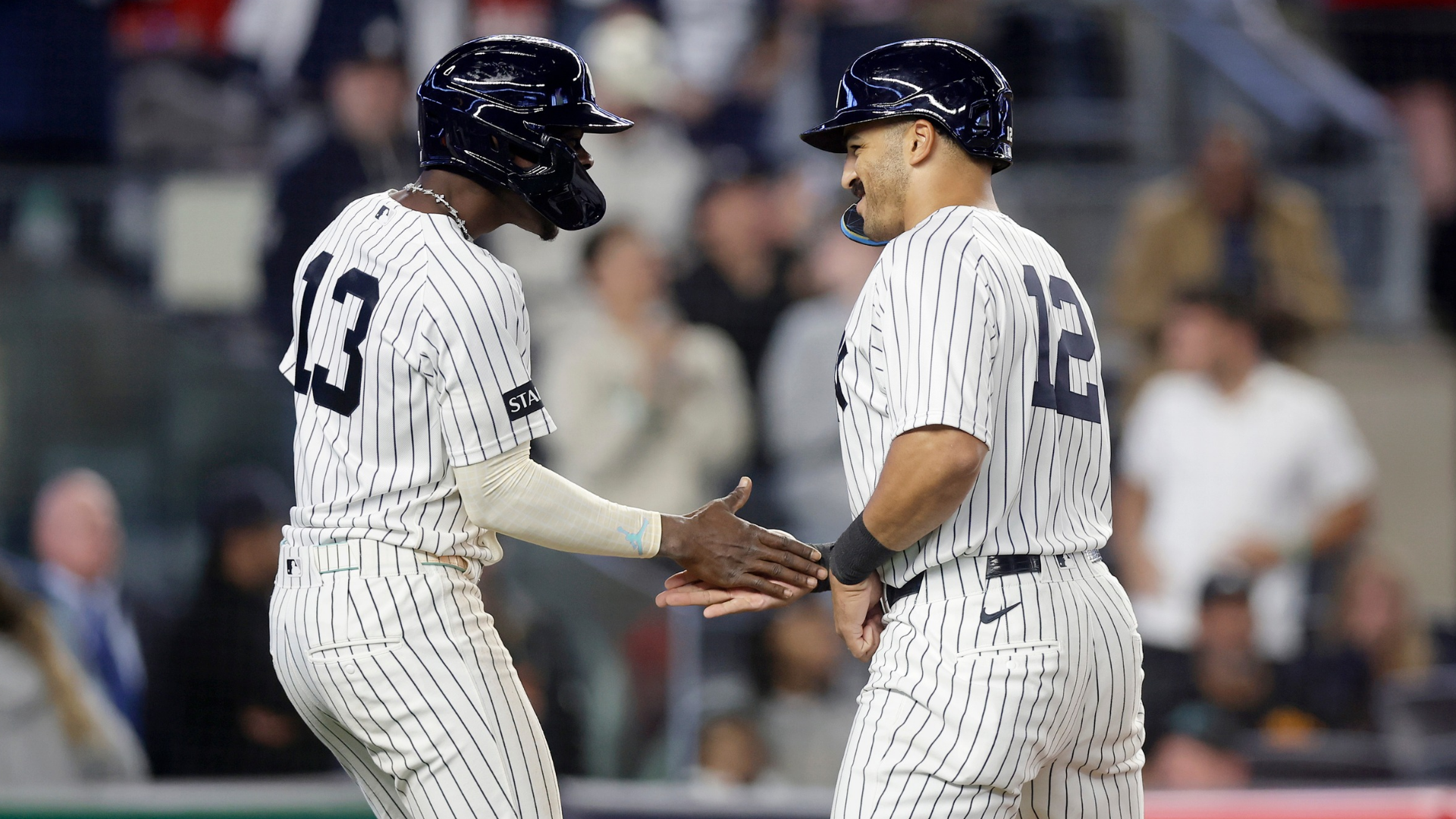
What makes Grisham’s start more important is that it mirrors a larger team-wide trend. Sanchez reported that the Yankees entered play with the lowest swing rate in baseball at 43.3 percent. That patience has helped them draw the second-most walks in the majors, but it has also come with a cost. They had swung at only 68.9 percent of so-called meatball pitches, the third-lowest rate in the sport.
That number should concern the Yankees more than the walk total should comfort them. Drawing walks is useful, but passing on hittable mistakes is how rallies stall and big innings disappear. A lineup can control the zone without becoming overly cautious, and right now the Yankees are flirting with that line.
Aaron Boone told Sanchez that he has not yet seen the offense as passive and stressed that the Yankees will continue to lean into their identity of controlling the strike zone. That is understandable. The last thing Boone wants is for hitters to respond to a cold stretch by chasing.
Still, Grisham has become the clearest example of the tension inside this offense. His approach reflects what the Yankees want to be. His results so far reflect what can happen when that identity gets taken too far.
Yankees’ Slugger Is Exposing a Growing Offensive Issue