

The Philadelphia Phillies starting pitcher Zack Wheeler is pitching like a man with nothing left to prove—and if you ask him, that’s precisely the point.
Despite being in the midst of another Cy Young-caliber season, the 35-year-old Phillies ace told The Athletic he plans to retire when his current contract expires in 2027. The reason? More time with his four children. The tone? Unshakably serious.
“Doesn’t matter. No,” Wheeler said when asked if continued dominance might change his mind. “It’ll be easy to walk away.”
For Phillies fans and teammates, that answer is more complicated to swallow.
Wheeler is the engine behind Philadelphia’s World Series hopes. With a 2.85 ERA, a league-leading 32% strikeout rate, and a six-pitch arsenal that baffles hitters, Wheeler isn’t just aging well—he’s evolving. He’s at a point in his career where his methods defy convention, and so far, no one’s been able to argue with the results.
“He already naturally has everything that everybody else is trying to get,” catcher J.T. Realmuto said. “High spin, extension, deception… he makes it all look easy.”
But What Happens When He’s Gone?
The Phillies have built their pitching identity around Wheeler. Aaron Nola is a mainstay, and Ranger Suárez has blossomed in 2025, but neither brings the psychological edge or the aura Wheeler carries to the mound every fifth day. Even Bryce Harper defers to the Wheeler stare during games.
Clubhouse stories about his no-nonsense demeanor—whether shooing relievers away from his bullpen sessions or deadpanning through mound visits—have already become part of Phillies lore. He is, by all accounts, the guy.
While his approach to fitness and planning borders on minimalist (“When Wheels works out, he treats himself to a Diet Coke”), Wheeler’s commitment to pitching borders on obsessive. His routine is lean, but every detail serves a purpose. From pitch design to biomechanics, Wheeler isn’t guessing—he’s refining.
That’s what makes the idea of walking away so jarring. Wheeler isn’t fading. He’s not running on fumes. He’s dominating.
A Phillies Window That’s Suddenly Ticking
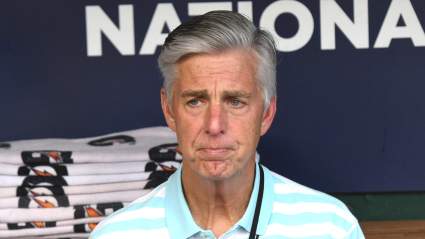
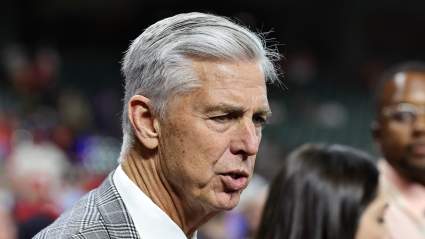
Wheeler’s extension in 2024 made him the highest-paid pitcher in baseball on an average annual basis—$42 million per year. That’s not money a franchise hands out lightly. It was a signal that Dave Dombrowski and the front office viewed Wheeler as the centerpiece of their title push through 2027.
But if Wheeler’s serious—and every teammate believes he is—the Phillies might need to accelerate their timeline.
They’ve gotten lucky with Suárez’s leap, and Andrew Painter’s recovery could offer long-term hope, but replicating Wheeler’s reliability and ace-level output will take more than one promising arm.
The scary part? There’s no blueprint to replace him.
Walking Away From the Peak
Wheeler’s not the type to chase counting stats or career milestones. He doesn’t care about media narratives or future Hall of Fame debates. He wants to pitch, compete, win, and go home.
When that contract ends, the Phillies may lose more than just their ace. They may lose the gravitational pull of their entire rotation.
Realmuto put it best: “I can’t imagine him dominating for two more years and hanging them up. He loves it… I’m holding out hope.”
The Phillies should, too.
Unless something changes, the best pitcher in baseball might leave the game at his best, and Philly will have to figure out how to win without the man who made winning look effortless.






Phillies’ Ace Sends Strong Message About His Future