
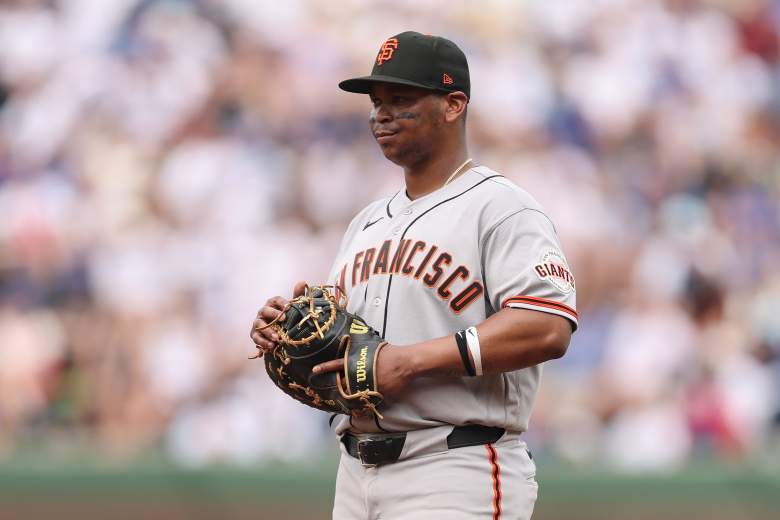
Jon Morosi’s latest assessment of Rafael Devers’ future sounded close to definitive.
The MLB Network insider said he sees “almost no chance” of the San Francisco Giants trading Devers this winter. Buster Posey’s new comments about the 2027 roster also indicate that the organization expects Devers to remain in the middle of its lineup.
However, there is an important distinction between an unlikely trade and an impossible one.
Devers does not currently possess contractual protection that allows him to block a deal. If the Giants unexpectedly change direction, they can trade him without obtaining his approval.
Devers Cannot Veto a Trade
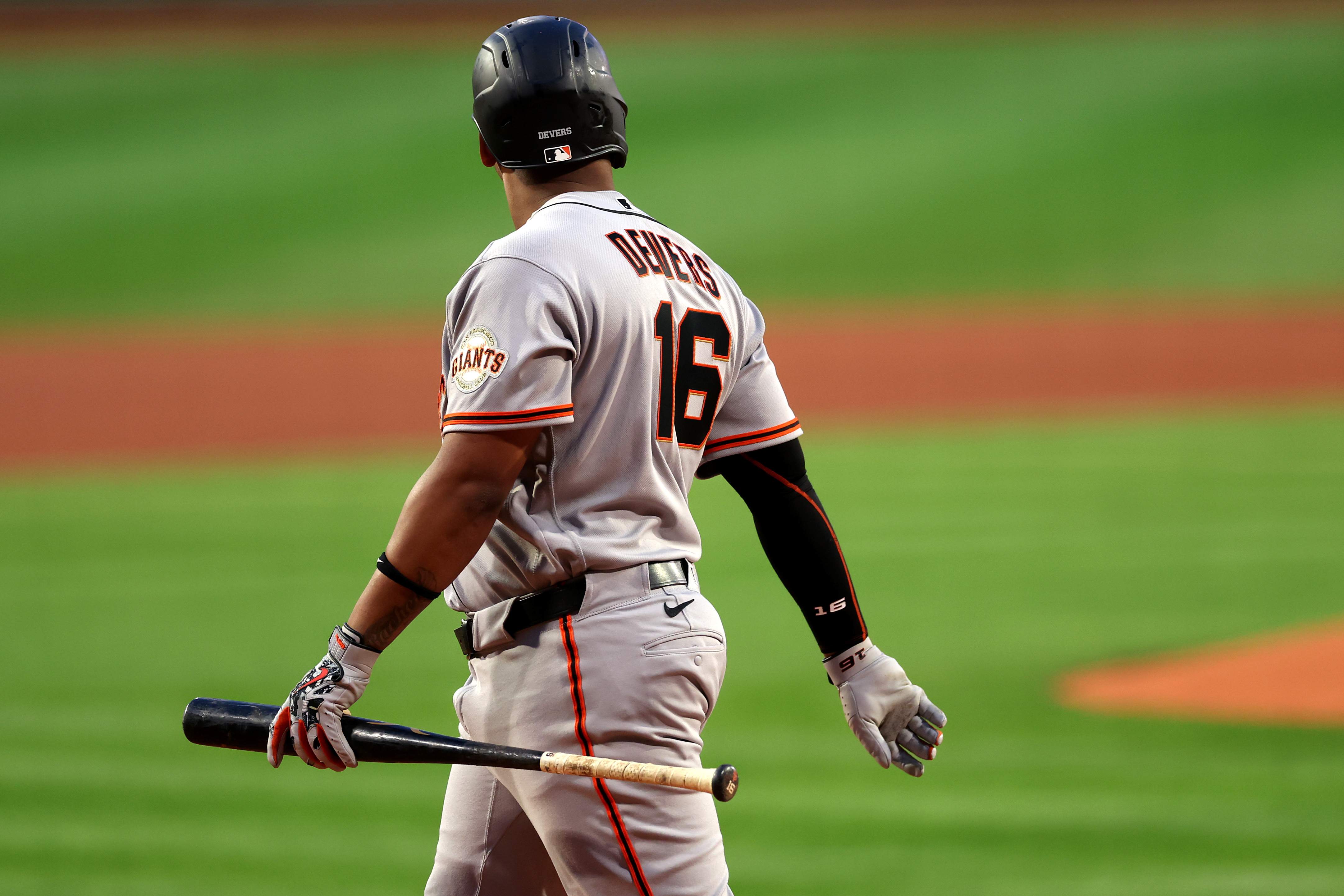
When the Boston Red Sox traded Devers to San Francisco in June 2025, CBS Sports noted that his 10-year, $313.5 million extension did not contain a no-trade clause.
Some veteran players gain similar protection through baseball’s 10-and-5 rule. MLB’s official glossary explains that a player must accumulate 10 years of Major League service and spend the five most recent consecutive seasons with the same club to veto a trade.
Devers does not satisfy those conditions with the Giants. San Francisco acquired him during the 2025 season, so he has not spent five consecutive years with the organization.
That means Posey does not need Devers’ permission to negotiate with another club. It does not mean such a negotiation is likely.
The distinction matters because Devers has already been involved in one trade that few people anticipated. Boston moved him during the 2025 season despite his star status and long-term contract. His existing deal allowed that transaction, and it would allow another one.

Why the Open Door Barely Matters
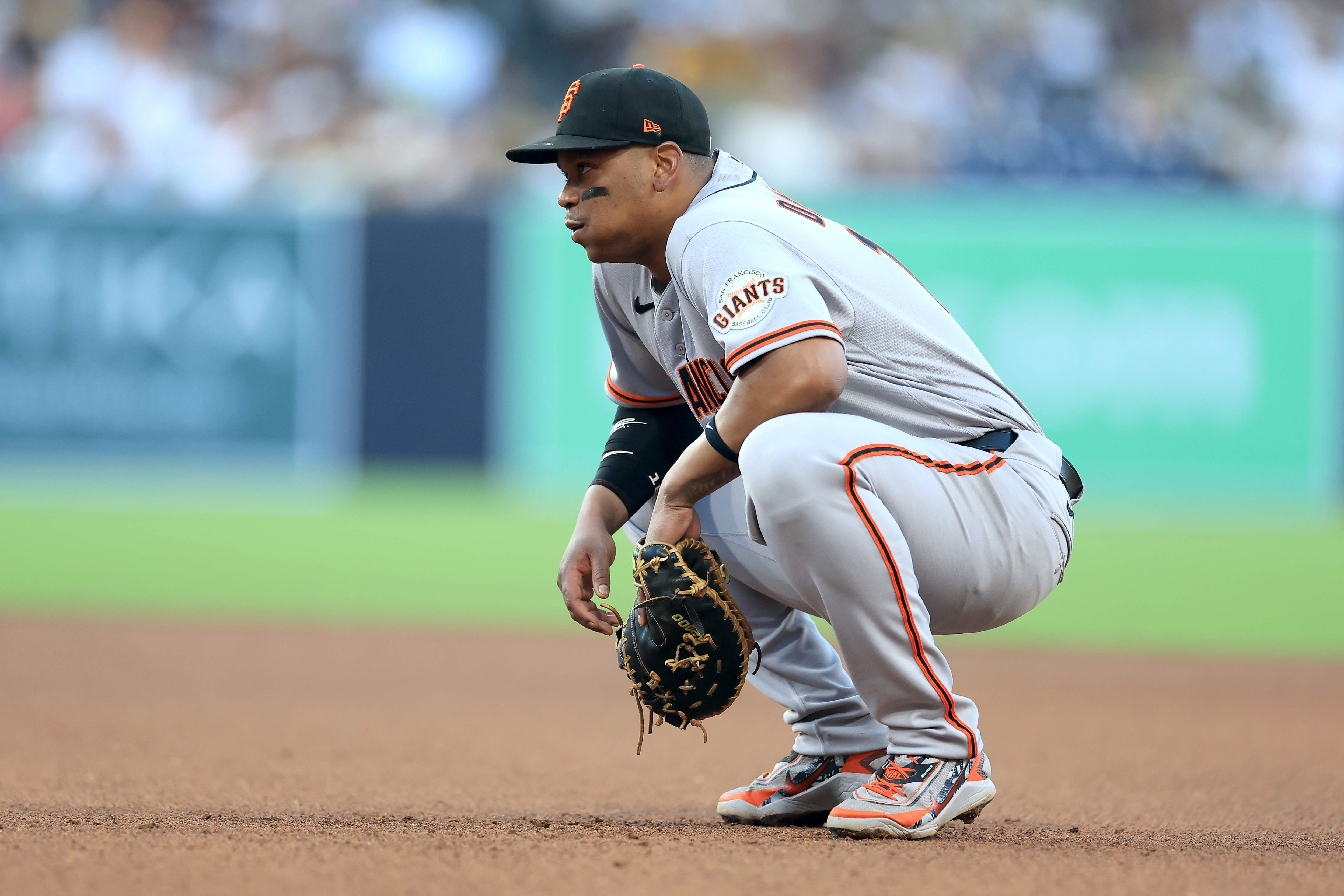
The financial and baseball considerations provide far greater protection than a formal clause would right now.
Devers is owed $211 million from 2027 through 2033, including $52.5 million in deferred money, according to MLB.com. Any interested club would have to accept that commitment or persuade San Francisco to pay part of it.
That club would also have to evaluate Devers after core muscle surgery. The procedure was successful and carries an approximate three-month recovery period, but taking on seven years of salary would still require extensive medical and financial review.
The Giants would then have to replace a hitter who finished this season with 37 home runs and 98 RBIs. Posey told the San Francisco Standard that attracting elite free-agent hitters to San Francisco is difficult, which makes surrendering one already under contract particularly risky.
Posey also described a specific plan in which Devers and Bryce Eldridge rotate between first base and designated hitter next season. He identified pitching—not the position-player group—as the area that needs the most offseason attention.
Morosi’s statement is therefore best understood as a probability assessment, not a report about a hidden contractual restriction. Devers can technically be traded, and an extraordinary offer could always force the Giants to reconsider.
Everything San Francisco has publicly outlined suggests it has little interest in opening that door.
One Contract Detail Keeps the Rafael Devers Trade Door Technically Open