
NASCAR’s decision to bring back The Chase for the 2026 season came after months of heated debate and passionate discussion inside the sport. This wasn’t some behind-closed-doors call; it was the result of committee meetings with drivers, executives, media, and broadcast partners all at the table.
On Jan. 12, 2026, NASCAR unveiled the new championship format. Here’s how it works: a 26-race regular season, then a 10-race Chase for the top 16 drivers. The champion comes down to who racks up the most points over those 10 races. No eliminations, no point resets, no winner-take-all finale. It’s all about consistency and performance every week.
Dale Earnhardt later explained how the process unfolded and how close the sport came to a much bigger shift.
Inside the playoff committee discussions
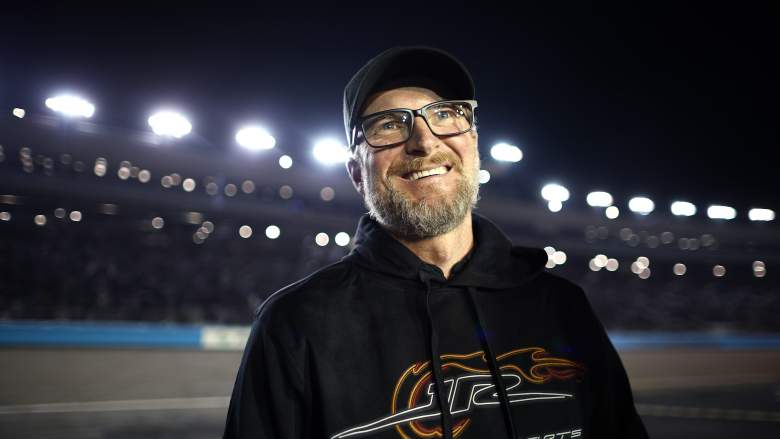
Dale Earnhardt Jr. shared details on his podcast, the Dale Jr. Download, describing how the committee formed and how wide the range of opinions was from the start.
“We got an email sometime in the middle of last offseason asking if I wanted to be part of the committee. I said yes, but I didn’t know who else was involved. Then we get to Daytona for the first in-person meeting, and we walk into this room at the top of the grandstands. Drivers, NASCAR people, network folks, media. Just a lot of voices.”
Earnhardt said the size of the group left him unsure that real progress would be made.
“My first thought was this is going to be noisy, and how I might get lost. I looked around the room and thought, I don’t know how you convince the networks to let go of what they want to hang on to.”
The tone of the meetings shifted once drivers began sharing what they wanted the championship to reflect.
“But once we started talking, it changed. Christopher Bell and a couple of other drivers were really honest about how they wanted the sport to feel. That mattered. Hearing it straight from the drivers mattered.”
Mark Martin’s stance shapes the outcome
One position stood out early and stayed firm. Mark Martin pushed hard for a full-season championship format.
“Mark Martin put his foot down right out of the gate. Thirty-six races. That was it,” Earnhardt said. “A lot of credit goes to him, and it’s deserved. He didn’t waver.”
Earnhardt said Martin’s stance pushed the conversation further than expected.
“If Mark hadn’t been that adamant early on, I don’t know that we’d have gotten this far,” he said. “He really put his neck on the line.”
During the process, Earnhardt said NASCAR seriously considered dropping playoffs entirely and returning to a 36-race points system. The final decision to adopt a 10-race Chase came as a middle ground that multiple sides could support.
The format keeps postseason racing while removing eliminations and resets that defined recent seasons.
Why the Chase format changed Dale Earnhardt’s view
Earnhardt also spoke about how the previous playoff system affected him as a fan.
“At the same time, I’d kind of lost it as a fan. I wasn’t being pulled in every weekend. I knew who was in the playoffs. I’d think I’ll catch the highlights later. I didn’t need to tune in.”
He said the focus on a single finale weakened the meaning of the rest of the season.
“It got to the point where I didn’t want to watch a full season just to see it come down to Phoenix and four guys,” Earnhardt said. “It felt like too much luck.”
He explained that the new format restores weight to early races.
“I’m excited about a season where how you run at Daytona and Atlanta matters,” Earnhardt said. “If you start cold, you’re in a hole. That’s hard to dig out of.”
The 2026 Chase rewards consistency all year long. NASCAR built this format with input straight from drivers and longtime folks in the sport. The result? A structure that’s about earning it, week after week.
Dale Earnhardt Jr. Breaks Down the Meetings Behind NASCAR’s 2026 Chase Format