

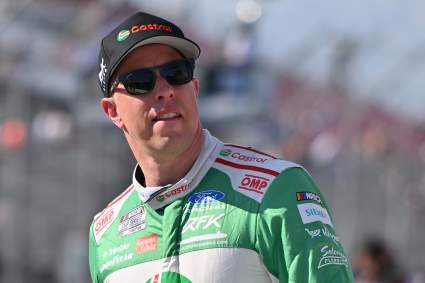
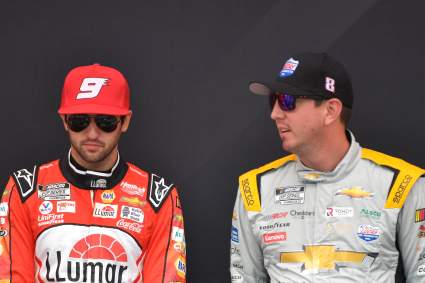
Chase Elliott has raised concerns about the significantly hotter cockpit conditions in the current Next Gen car. This is an issue highlighted during the NASCAR Cup Series race at the Circuit of the Americas, where drivers struggled with extreme heat.
Several drivers dealt with extreme cockpit temperatures during the event. Some also had issues with their cooling systems during the race.
One of the most serious situations involved AJ Allmendinger. His cooling suit system stopped working during the race, and he needed medical attention after exiting the car. The incident renewed discussion about driver safety in high temperatures.
Chase Elliott attributed the increased cockpit temperatures to changes in the car’s airflow, exhaust placement, and heat evacuation compared to previous generations.
Chase Elliott Explains Why Next Gen Cars Feel Hotter
Elliott noted that drivers can clearly feel increased cockpit temperatures in the Next Gen car, attributing this to the revised underbody and redirected airflow, which limit heat dissipation compared to older models.
“I don’t know what you do. I mean, these cars are hot. You know, if you’re going down the straightaway, the best example I can give is: if you’re in the old car and you stick your hand out the window, it’s cool and fresh air. Whereas now you’re going down the straightaway at any track, but particularly like Speedways are a great example because when you stick your hand out the window, if you didn’t have your gloves on, you’d probably burn it.”
He explained that the current airflow sends warm air over the top of the car, worsening the heat issue.
“There’s just a lot of hot air coming out of the way the hood scoop thing works and how it exhausts warm air over the car. So the outside air flowing over the top of the vehicles is much warmer than it ever was.”
As a result, drivers endure hotter cockpits for longer periods, especially in warm climates.
Airflow and Exhaust Changes Affect Cockpit Temperatures
He further explained that the redesigned exhaust layout also redistributes heat, worsening cockpit conditions.
“And you have exhausts on both sides, whereas the exhaust used to be only on one side as well. So you’re kind of evacuating that air out in one direction. So there was always some fresh air to be had that wasn’t.”
Older Cup cars allowed more cool air to reach drivers since heat was channeled away in one direction.
“You know, already warm or warmed up if somebody was in front of you. So it’s just a little different, I think, now than it used to be. I don’t know how you fix that completely.”
Chase Elliott also noted that trailing other cars worsens the heat issue, exposing drivers to hotter air.
Cooling Systems Help, but Can Still Fail in Extreme Heat
Drivers often rely on cooling shirts to help deal with cockpit temperatures. Elliott said those systems have existed in racing for many years, even if they have become more common in NASCAR garages recently.
“But certainly, you know, back in the day, the cool shirt thing has been around for a really long time. For those that probably don’t know that, you know, because it’s kind of a semi-new thing in this garage.”
He said many drivers avoided using them in the past because the systems sometimes failed during races.
“But it was always, it’s always been available probably throughout my whole racing career. But they always had a bad rap for failing. And that was why a lot of guys didn’t run them for years and years and years.”
Elliott said technology has improved, leading more drivers to try the cooling systems.
“And I think the technology has gotten a lot better. And that’s why, you know, a lot of us have chosen to try them at different tracks.”
However, he said cooling systems still face challenges when operating in extreme heat.
“But I think anything that works like that, that has taken a really warm environment and cooling it, is subject to failing in an environment that’s really saturated with heat. So it’s a really tough balance.”





NASCAR Cup: Chase Elliott Explains Why Next Gen Cars Feel Hotter for Drivers