
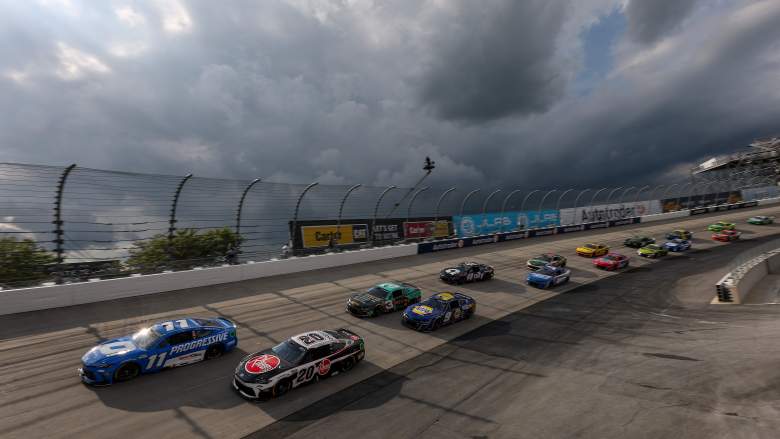
NASCAR’s All-Star Race is heading to Dover Motor Speedway for the first time ever this weekend — and the format is unlike anything fans typically see during a normal Cup Series race.
The exhibition event at “The Monster Mile” will feature segment inversions, driver eliminations, a pit crew challenge, and a dramatically different qualifying format designed to create chaos before the final sprint to the finish.
And with Dover’s high-speed concrete surface already known for punishing mistakes, NASCAR’s new format could quickly turn Sunday night into one of the wildest All-Star Races in recent memory.
Here’s a full breakdown of how the 2026 NASCAR All-Star Race at Dover will work.
How NASCAR All-Star Race Qualifying Works
Qualifying for the Dover All-Star Race will include much more than simply posting the fastest lap.
Drivers will participate in a three-lap qualifying run that also includes a mandatory four-tire pit stop during the session.
The total time from the green flag to the checkered flag — including pit road time — will determine the starting lineup.
That means pit crews will play a major role before the race even begins.
The fastest overall pit stop with no penalties will also win the Pit Crew Challenge, adding another layer of pressure during qualifying.
Segment 1 and Segment 2 Explained
The All-Star Race itself will begin with two opening 75-lap segments.
The field for Segment 1 will include 36 drivers before the format changes dramatically after the opening segment.
At the conclusion of Segment 1, NASCAR will invert the top-26 drivers for the restart to begin Segment 2.
In simple terms, the winner of Segment 1 will restart 26th, while the driver who finished 26th will move to the front row.
That inversion is expected to create major traffic, aggressive restarts, and significant strategy decisions early in the race.
Following another 75-lap run in Segment 2, NASCAR will trim the field from 36 drivers down to 26 for the final segment.
NASCAR Will Eliminate 10 Drivers Before the Final Segment
One of the biggest changes to this year’s All-Star Race is NASCAR’s elimination format.
After Segment 2, the bottom 10 drivers in the running order will be eliminated from the race entirely and sent to the garage.
Drivers who are already eligible for the final segment include 2025 and 2026 race winners along with former Cup Series champions competing full-time.
The remaining transfer spots will be determined by the best combined finishing positions across the first two segments.
If drivers are tied, the first tiebreaker will be the best finish in either segment, followed by the best finish in Segment 1.
One of the remaining transfer spots will go to the Fan Vote winner.
That means drivers near the cut line may race aggressively throughout the opening two segments simply to survive and avoid elimination.
Which Drivers Are Already Locked Into the Final Segment?
Among the drivers already locked into the final segment are several of NASCAR’s biggest stars, including:
- Kyle Larson
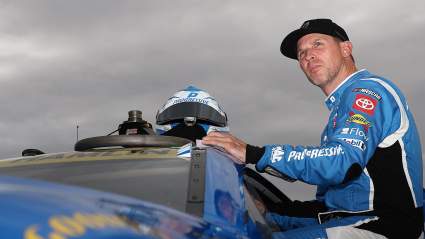
- Denny Hamlin
- Ryan Blaney
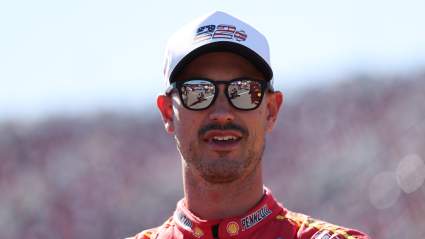
- Joey Logano
- Chase Elliott
- Christopher Bell
- William Byron
- Shane van Gisbergen
- Carson Hocevar
- Tyler Reddick
Drivers still needing to race their way into the final segment — or rely on the Fan Vote — include Daniel Suárez, Ty Dillon, A.J. Allmendinger, Erik Jones, Ryan Preece, Michael McDowell, Connor Zilisch, and Ricky Stenhouse Jr.
Final Segment Format Explained
The final segment of the Dover All-Star Race will consist of 200 laps.
During the 200-lap final segment, NASCAR will throw a competition caution at Lap 75 before allowing the race to continue uninterrupted to the finish.
That format places added importance on long-run speed, pit strategy, and track position during the closing laps.
Why NASCAR Changed the All-Star Race Format
NASCAR frequently experiments with the All-Star Race format, but Dover’s debut as host created an opportunity for one of the sport’s boldest format changes yet.
Unlike superspeedways where drafting can keep the field tightly packed, Dover’s concrete surface places enormous stress on tires and rewards drivers who can manage traffic over long green-flag runs.
The inversion and elimination system is designed to increase urgency throughout the race rather than saving all the drama for the final laps.
It also places added importance on qualifying, pit crews, and track position — all factors that traditionally matter at Dover.
And because eliminated drivers will not return once they are cut from the field, every position could matter far earlier than fans are used to seeing in a typical NASCAR race.
With the All-Star Race officially arriving at “The Monster Mile” for the first time, NASCAR’s new format could produce one of the most unpredictable events of the entire season.


NASCAR’s New Dover All-Star Race Format Explained: Eliminations, Inversions and Pit Stops