

For the drivers who made the NASCAR Chase, the final 10 races of the season come with a shot at the Cup Series championship.
For everyone else, the championship dream may be over. Their season isn’t.
That’s one of the biggest differences between NASCAR and the postseason formats used by most major American sports. There is no elimination from competition when a driver misses the Chase. NASCAR doesn’t send those drivers home while the championship contenders race among themselves.
They keep showing up. They keep racing. And yes, they can still win.
With NASCAR’s 2026 regular season complete and the Chase beginning at Darlington Raceway, here’s what fans need to know about what happens to the drivers who didn’t make the cutoff.
Do NASCAR Drivers Still Race if They Don’t Make the Chase?
Yes. Drivers who don’t qualify for the NASCAR Chase continue racing throughout the rest of the season.
Missing the cutoff only eliminates a driver from championship contention. It does not remove that driver or team from the remaining races on the Cup Series schedule.
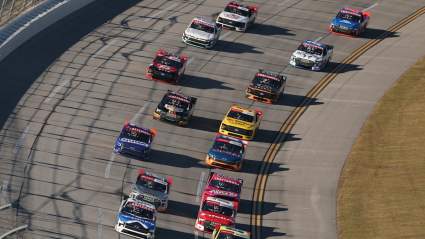
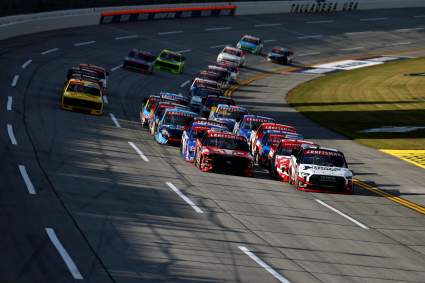
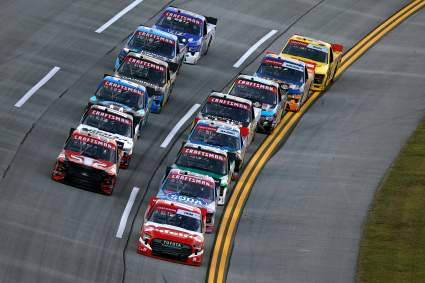
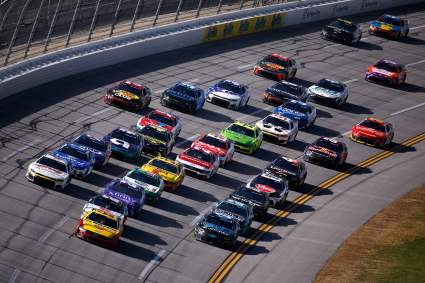
That means the Chase contenders will share the track with drivers who aren’t competing for the championship in all 10 races, beginning at Darlington and continuing through the season finale.
For someone accustomed to the NFL, NBA, NHL or MLB, that can take some getting used to. There isn’t a separate postseason field in NASCAR. The championship battle takes place within the same races as the rest of the Cup Series field.
Can a Driver Who Missed the Chase Still Win a Race?
Yes. A driver does not have to be in the Chase to win one of the final 10 races.
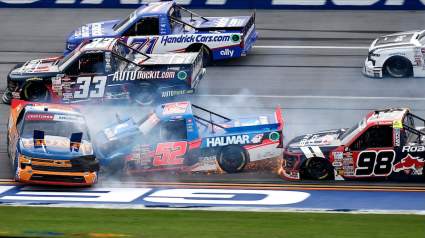
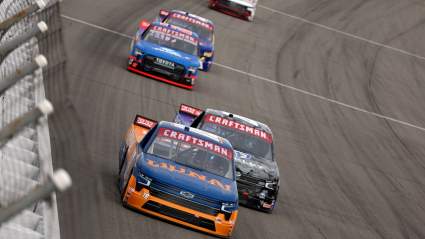
Once the green flag falls, everyone in the field is racing for the victory. A driver’s championship status doesn’t prevent that driver from leading laps, battling Chase contenders for position or taking the checkered flag.
So if a driver who missed the Chase has the fastest car at Darlington, Kansas, Talladega or any other race remaining on the schedule, there is nothing stopping that driver from winning.
And a victory doesn’t suddenly put that driver back into championship contention. Once the Chase field is set, missing the cutoff means the championship opportunity is gone for that season.
The race wins, however, remain very much available.
What Are Drivers Who Missed the Chase Racing For?
Quite a bit.
A Cup Series victory carries enormous value regardless of when it happens. Drivers outside the Chase still have races to win, final standings positions to improve, sponsors to represent and an organization to help build toward the following season.
There can be plenty at stake individually, too.
A driver trying to secure his future has 10 more opportunities to make a statement. A team that struggled during the regular season can use the closing stretch to find speed and build momentum. Manufacturers still want their cars in Victory Lane. Crew chiefs and engineers aren’t treating the final 10 weekends like exhibitions simply because their driver isn’t racing for the championship.
For those teams, the championship may be off the table. Winning isn’t.
Do Drivers Who Miss the NASCAR Chase Still Earn Points?
Yes. Non-Chase drivers continue earning points during the final 10 races.
Those points matter toward where they finish in the final season standings outside the championship-eligible group.
This is also an important distinction in 2026 because NASCAR has returned to the Chase format. Fans searching for answers online may still encounter explanations built around NASCAR’s previous elimination-style playoff system.
Under the current format, the championship contenders are separated from the rest of the field in terms of their ability to compete for the Cup Series title. But the drivers outside the Chase don’t stop accumulating points or competing for their own position in the standings.
Can a Driver Who Missed the Chase Still Win the NASCAR Championship?
No.
This is the line that doesn’t move.
Once the regular season ends and the Chase field is established, a driver who failed to qualify cannot win the Cup Series championship that year.
Even an extraordinary run over the final 10 races wouldn’t change that. A non-Chase driver could theoretically pile up victories and outperform championship contenders during the closing stretch, but those results would not restore championship eligibility.
That’s why making the cutoff matters so much.
Can Non-Chase Drivers Affect the NASCAR Championship?
Absolutely, and this is where things can get particularly interesting.
The drivers outside the Chase aren’t merely filling out the field. They’re racing the championship contenders for the same positions on the same track.
If a non-Chase driver wins, that’s one fewer finishing position available ahead of the championship contenders. If several non-Chase drivers have strong afternoons, the impact can stretch throughout the running order.
Traffic, pit strategy, restarts and battles for position don’t suddenly involve only championship-eligible cars.
Every driver in the field remains part of the race, which means every driver has the potential to influence what happens around the championship contenders.
Do NASCAR Chase Drivers Get Priority Over Other Drivers?
No.
Being in the Chase doesn’t give a driver priority on the racetrack.
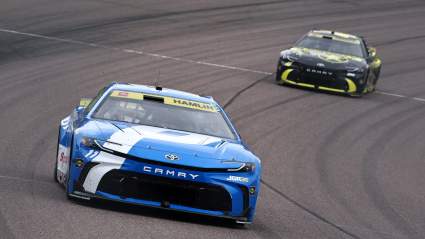
A non-Chase driver isn’t required to surrender a position simply because the car behind him is racing for a championship. Both drivers are still competitors in a NASCAR Cup Series race, and both have every right to race for position.
That dynamic can become especially fascinating as the championship battle tightens. One driver may be thinking about the title while the driver beside him is thinking about winning the race.
Neither one is there to simply make laps.
Why Doesn’t NASCAR Only Let Chase Drivers Compete?
Because the Chase is a championship format, not a separate racing series.
The final 10 events remain NASCAR Cup Series races. The Chase determines which drivers are eligible to compete for the season championship within those races.
Removing everyone else would fundamentally change the events themselves, shrinking the field and creating a completely different style of racing for the most important stretch of the season.
Instead, championship contenders have to navigate the same challenge they’ve faced all year: beat the field.
The difference is that over the final 10 races, only the drivers who made the Chase can turn those results into a NASCAR Cup Series championship.
For everyone else, there are still trophies to chase.





What Happens to NASCAR Drivers Who Don’t Make the Chase? Everything You Need to Know