
The Boston Celtics let go of guard Dalano Banton on Thursday, and in doing so, gave a pretty strong signal of where they’re heading this offseason. The transaction pulled them below the luxury tax and confirmed suspicions around the NBA that the team would look to get–and stay–below the line this season. That’s not exactly an exciting proposition for the fanbase, but it will please the accountants.
And these days, when the accountants are pleased, it does trickle down to fans, eventually. That’s because the Celtics are currently in the so-called “repeater tax” zone on the NBA balance sheets, and will need to get out of the tax for back-to-back years in order to shake that status. Once they’re no longer a repeat offender, the Celtics have more freedom and flexibility in the way they make trades and the exceptions to the cap they can use.
If you heard Brad Stevens address the media earlier this week, you heard him use the word “optionality” an absurd number of times. Well, getting under the tax is part of optionality.
Celtics Likely Won’t Be Using the TPE
The problem is that the Celtics are sitting on a $27.7 million traded player exception from the Anfernee Simons trade, and have until early February to use it. If they don’t it expires and falls by the wayside. Staying beneath the tax means letting that exception expire.
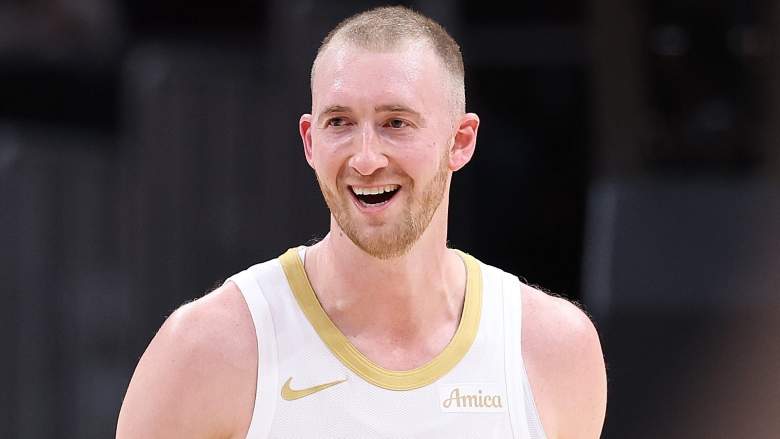
Celtics fans and observers have been cooking up ways for Boston to use the exception by including the contract of Sam Hauser ($10 million for next season), which would allow them to take back a contract worth about $19 million and still stay under the $209 million first apron, which is a hard cap for Boston this year.
“It makes a lot of sense,” one NBA executive said. “Being in the repeater (tax) is a problem for how you do everything you want to do, and they got under the tax (last season) so it would be a wasted effort to do all the things they did last year to get under the tax, then stay in the repeater. I know that is disappointing to the fans who want to see action, and want to see more players coming in but that’s just the reality. They’ll be better for it in the long run.”
No Financial ‘Smoking Gun’
Still, financial maneuvering has been the name of the game for the Celtics for consecutive summers, and that’s a hard sell for fans. but the fact is, player acquisition and finances are so intricately tied that you can’t really take them separately. Hard financial decisions often make the team better.
As owner Bill Chisholm said at Monday’s press conference: “I know people feel like, ‘Oh, there must be a smoking gun somewhere around the money.’ That’s just not what this is about,” “I can say it — and I’ll keep saying it — but I’ll also prove it to you. When we have the opportunity, we’re going to [spend]. And we’ve given ourselves the flexibility to do it now. So it’s fine to keep asking the question because I know we have to prove it. And we will.”
Celtics Set to Make ‘Disappointing’ Trade Decision After Latest Move