
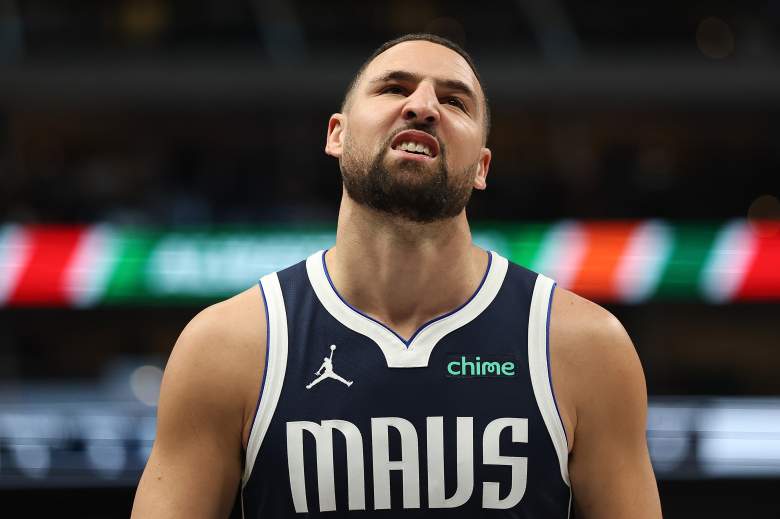
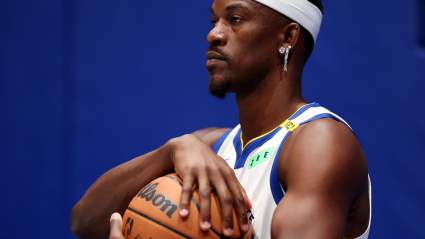
The Dallas Mavericks’ decision to buy out Klay Thompson was not merely about moving on from an expensive veteran who no longer fit their timeline.
It also helped Dallas protect itself against another potentially damaging season of frontcourt injuries.
ESPN’s Brian Windhorst connected Thompson’s departure to the Mavericks’ decision to retain young center Moussa Cisse, explaining that Dallas remains concerned about Dereck Lively II’s ability to stay healthy.
“I was talking to an executive this week,” Windhorst said on ESPN’s “The Hoop Collective”. “He was saying that the Mavericks did that buyout for Klay. Basically, they got $10 million off their books, but they’re eating at least half the contract this year—a little less than half—and they kept Cisse.”
Windhorst said retaining Cisse reflected the organization’s concern about both of its established centers.
“Cisse is a big that they are a little bit worried about Lively—and Gafford to a lesser extent—but they’re still worried about Lively,” Windhorst said.
ESPN’s Tim MacMahon immediately agreed.
“How could you not be?” MacMahon said. “Just look at the games played, unfortunately.”
Dallas Turns Klay Thompson Savings Into Center Insurance
Thompson surrendered substantial guaranteed money to secure his release from Dallas before joining the Miami Heat. The arrangement provided the Mavericks with approximately $10 million in financial relief, although a significant portion of his salary remains on their books.
That flexibility helped Dallas preserve a standard roster spot for Cisse after matching the New York Knicks’ two-year, $4.7 million offer sheet in July.
The Mavericks could have declined to match and allowed the restricted free agent to join New York. Instead, they committed guaranteed money to a player who had originally entered the league on a two-way contract.
Cisse gave Dallas tangible reasons to believe he could handle a larger role.
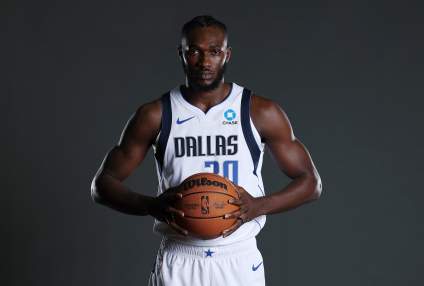
The 6-foot-11 center averaged 4.5 points, 5.7 rebounds and 1.2 blocks in only 13.9 minutes across 38 games as a rookie. He shot 57.4% from the field and ranked third among all first-year players in blocks per game.
His per-minute production was even more persuasive. Cisse averaged approximately 11.7 points, 14.8 rebounds and 3.1 blocks per 36 minutes, supplying the rebounding and rim protection Dallas frequently lacked when its established centers were unavailable.
Cisse produced his clearest proof in the Mavericks’ season finale against the Chicago Bulls. He finished with 17 points, 20 rebounds, two blocks and two steals, tying Roy Tarpley’s franchise rookie record for rebounds in a game. Ten of those boards came on the offensive glass.
Those numbers made matching New York’s offer easier to justify. Cisse remains relatively raw, but his size, activity and production give the Mavericks a low-cost developmental center who has already shown he can contribute when given meaningful minutes.
Dereck Lively II’s Injury History Shapes Mavericks’ Planning
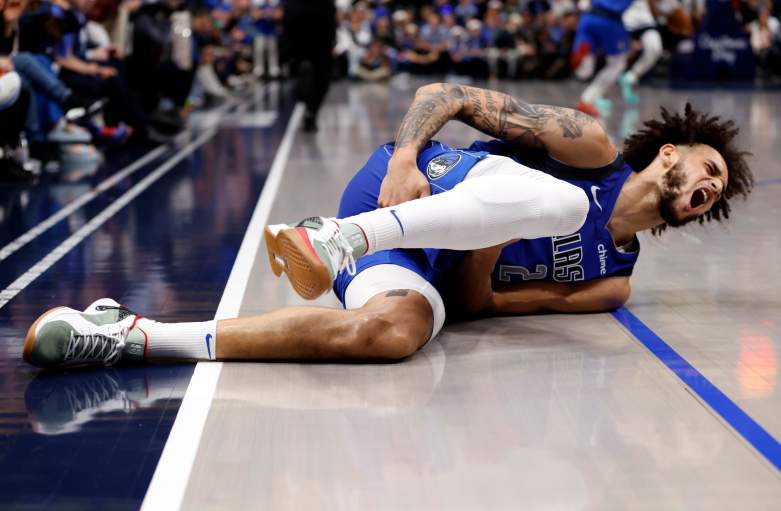
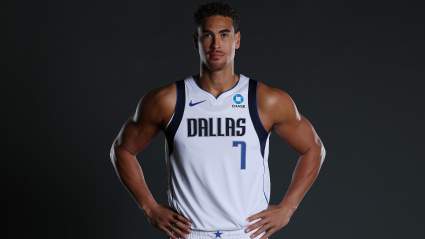
Lively’s talent is not in question. The former Duke center emerged as an essential piece during Dallas’ run to the 2024 NBA Finals, providing vertical spacing, rim protection and defensive versatility.
His availability has been far less dependable.
Lively played 55 games as a rookie and only 36 during his second season. His third NBA campaign ended prematurely because of a serious right foot injury that required season-ending surgery. His recovery later involved multiple procedures and extended deep into the offseason.
The Mavericks have expressed optimism about his progress, but optimism does not erase the accumulated risk. Big men with recurring foot problems require careful workload management, and Dallas can no longer treat Lively’s health as a secondary concern.
Daniel Gafford gives Dallas proven depth and has generally been more dependable. Windhorst’s report, however, indicates the Mavericks also carry at least some concern about his availability.
That makes Cisse more than an end-of-bench project.
If Lively encounters another setback, Cisse could be asked to protect the rim, rebound and absorb regular-season minutes behind Gafford. His presence would also allow Dallas to avoid rushing Lively back or overloading him early in the season.
Thompson’s buyout initially appeared to be the closing chapter of a disappointing partnership. The five-time All-Star gave back money, the Mavericks reduced their payroll burden and both sides moved forward.
Windhorst’s report adds another layer.
Dallas did not simply use the savings to escape Thompson’s contract. It used them to purchase insurance against a problem the organization can no longer ignore: Lively may be the Mavericks’ center of the future, but they cannot build the present as if he is guaranteed to be available.


Klay Thompson Buyout Reveals Major Mavericks Concern About Dereck Lively II