
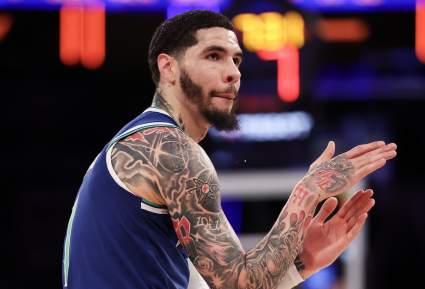
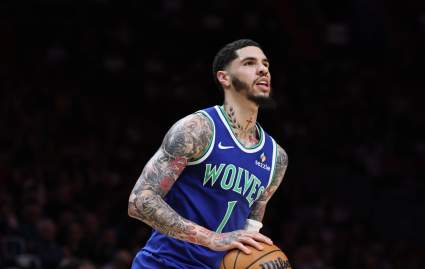
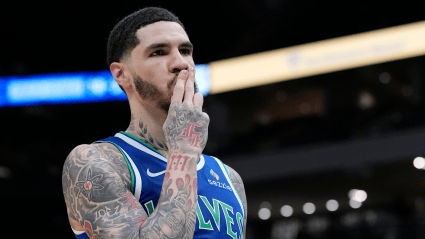
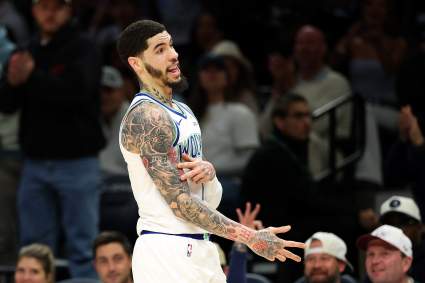
It has been a transitional summer for the Minnesota Timberwolves, who are now betting on LaMelo Ball as the elite sidekick that will not only keep Anthony Edwards in town but help the franchise win a championship.
Ball, 25, was acquired as a part of a seismic trade that sent off forwards Naz Reid and Julius Randle, two cornerstones of a team that went to two of the last three Western Conference finals. Will the pivot pay off for Minnesota?
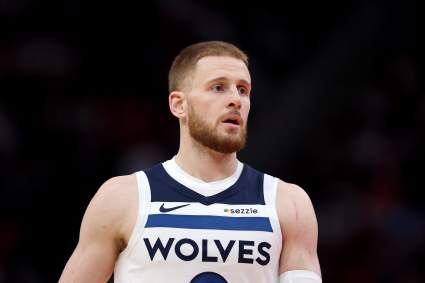
“Last summer, the Timberwolves prioritized size, as they gave Randle and Reid new contracts and let guard Nickeil Alexander-Walker walk in free agency,” wrote ESPN’s Zach Kram. “But they reversed course this summer by trading away Randle and Reid, re-signing (Ayo) Dosunmu and bringing in Ball. That strategic shift is a big gamble, and the Timberwolves have almost no flexibility left to make further adjustments after they dealt an unprotected first-round pick and three swaps for Ball. I understand the rationale for Minnesota’s big swing — particularly the team’s desire to ensure Edwards’ happiness — but I’m skeptical that it will prove successful.
Moving Reid and Randle for Ball will certainly change the Wolves’ identity, but it won’t solve what’s to come down the line: roster decisions tied to keeping the core together.
Timberwolves to Move Off Their Star Big Man Soon?

Welcome to the new NBA, where the formula for winning is already being perfected by the Oklahoma City Thunder, the team that has best discovered how to draft, develop and seamlessly replace expensive veterans before the bill for keeping a championship-caliber core becomes due.
When it comes to supplanting older talent for the Wolves, big man Rudy Gobert figures to be first in line to get shipped out of Minnesota, according to Heavy NBA insider Sean Deveney.
“The Timberwolves turned back trade interest in Gobert this year, but eventually, he will need an extension and the team will need to weigh moving on from him,” Deveney reported. “They like young big man Joan Beringer very much.”
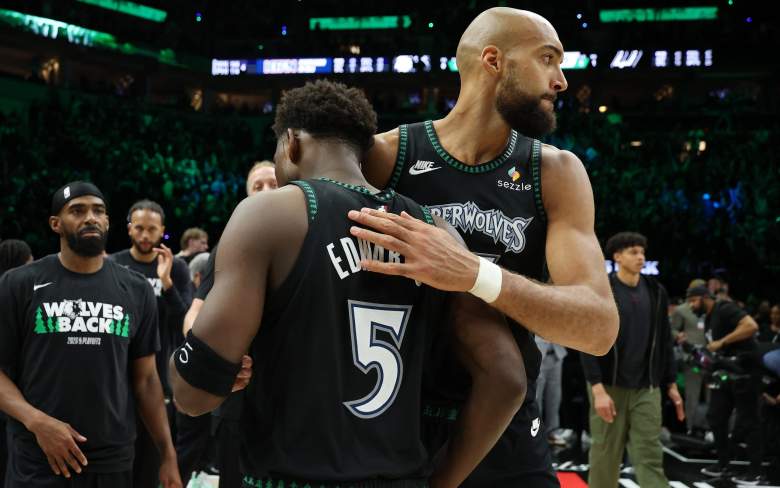
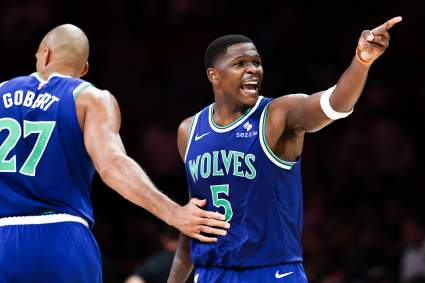
Gobert, 34, remains a cornerstone in Minnesota. It was Gobert who upstaged three-time league MVP Nikola Jokic in last season’s playoffs, limiting Jokic in ways we had not seen before. Especially with the Wolves losing a chunk of its frontcourt depth this offseason, Gobert’s role will become even more pronounced moving forward.
The good thing is that the Wolves do have players they can turn to later on, as Deveney notes. Beringer, merely 19 years of age, is expected to come quickly down the pipeline.
The Pressure is On in the Twin Cities
The Wolves see their path. They replaced size and strength for youth and athleticism.
In a bit of a surprise, the Wolves landed explosive swingman Jonathan Kuminga, signing the 23-year-old to a two-year contract and shoring up the wing position.
The addition of Kuminga gives the Wolves an interesting lineup, one that surely doesn’t lack firepower. On paper, the Wolves have size, depth, shooting and athleticism — all things commonly seen in true championship contenders.
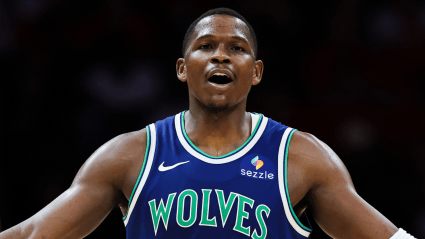
Then the focus shifts back to Edwards, who may be still ascending and yet to reach his prime but a player some view as the next superstar who could shake free in the coming years if things fall flat in Minnesota.
The Wolves are clearly treating now as win-now mode, and their goal this offseason was to assemble a title-contending roster around the face of the franchise.
The apron will only knock louder on the door as time moves, but Minnesota has the next couple of seasons to make the most of its revamped roster.

Report: Timberwolves Will ‘Need to’ Trade $110 Million Star Soon