
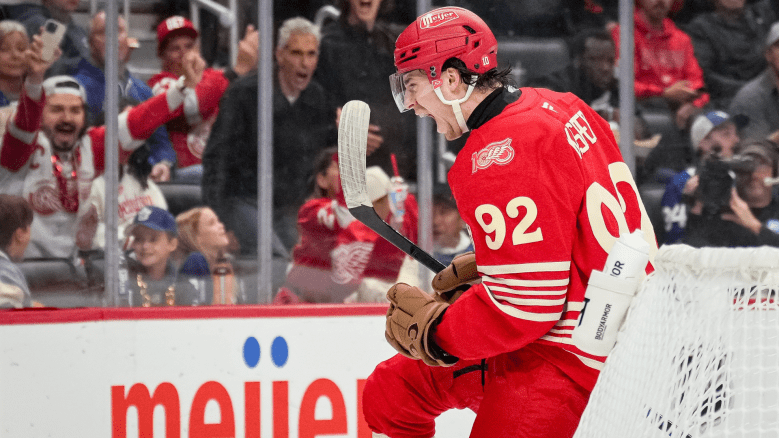
The Detroit Red Wings do not need to extend Marco Kasper before the 2026-27 season begins. Waiting, however, could quietly remove one valuable option.
Kasper is entering the final season of his entry-level contract. PuckPedia lists the 22-year-old at an $886,666 cap hit and says he will become a restricted free agent in 2027. Detroit therefore controls his rights beyond next season, but the rules governing his next contract are about to change.
The NHL Players’ Association says the current collective bargaining agreement remains in effect through September 15. The new agreement begins September 16 and runs through September 15, 2030.
That one-day transition creates the real decision for Detroit.
The Option That Disappears
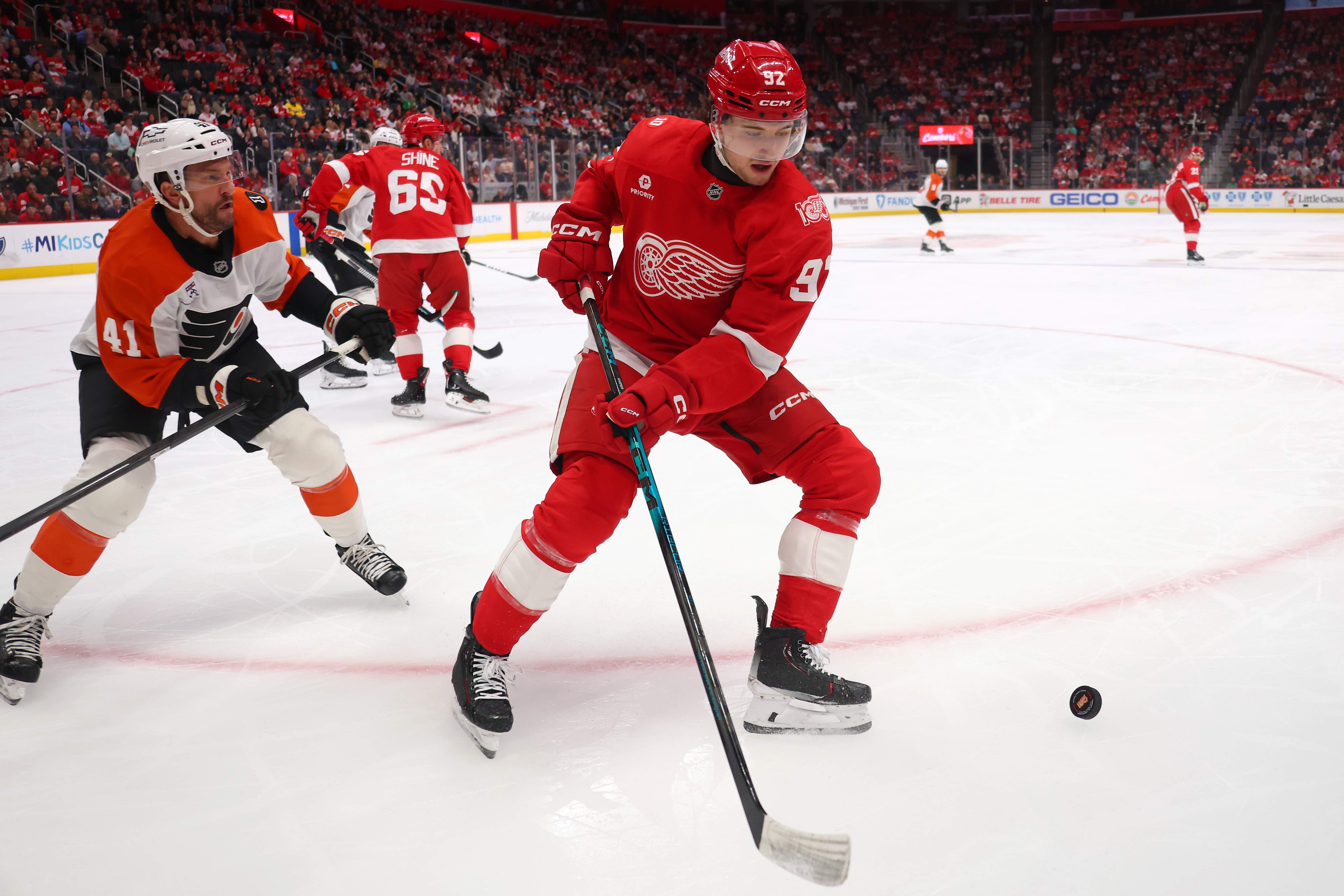
Under the current CBA, a team can re-sign its player for up to 8 years. The new agreement lowers that maximum to seven. An official NHL team explainer confirms the change, along with a reduction from seven years to six for outside free-agent signings.
If Detroit wants the possibility of an eight-year Kasper extension, it must act before the new agreement takes effect. That does not mean talks are active or that a deal is imminent. No confirmed report has established either point. It means only that the longest available term disappears after September 15.
The timing makes the situation more complicated than a routine negotiation. Kasper scored 19 goals and 37 points in 2024-25, then slipped to nine goals and 19 points across 81 games last season, according to PuckPedia’s statistics. Detroit must decide whether that decline created a buying opportunity or exposed risk.
An extension could begin later. It could start in 2027-28, after Kasper’s entry-level deal expires. That structure is standard for extensions signed with one season remaining and explains why Detroit can make a decision now without changing this year’s cap hit.

Why Waiting Could Still Make Sense

An eight-year contract would offer cost certainty if Kasper rebounds and grows into a larger role. It would also magnify the downside if last season better reflects his offensive ceiling.
Detroit can avoid that gamble. The Red Wings could let Kasper play out the season, evaluate him over another full NHL season, then negotiate as an RFA next summer. They would surrender only the eighth contract year, not the ability to keep him.
That distinction matters. This is not a sign-or-lose-him deadline, and it should not be portrayed as one. It is a deadline for flexibility.
The Red Wings’ next decision-maker must weigh a young center’s long-term value against the uncertainty created by a sharp sophomore regression. Doing nothing preserves leverage and information. Acting before September 16 preserves an extra year.
The vanishing option may be more important than it first appears for a franchise trying to determine which young players should be at the center of its next phase.
Red Wings’ Marco Kasper Decision Comes With a Twist on September 16