

Have you ever wondered how the Vikings trained for military dominance? Well, it might not date back as far into history as the terrifying era of the Vikings, but Scandinavian military training did inspire the evolution and development of the modern biathlon.
Debuting at the 1960 Winter Olympics in Squaw Valley, the biathlon combines a speeding cross-country skiing race with the exactness of shooting as competitors carry rifles on their backs as they make their way around the icy track. At first glance, the idea of combining a ski sprint on a slippery track with rifles may seem highly contradictory and dangerous, but the biathlon is a combination of activities that is centuries old. Here’s what to know about the history of this fascinating event.
Nordic Military Training Inspired the Creation of Olympic Biathlon
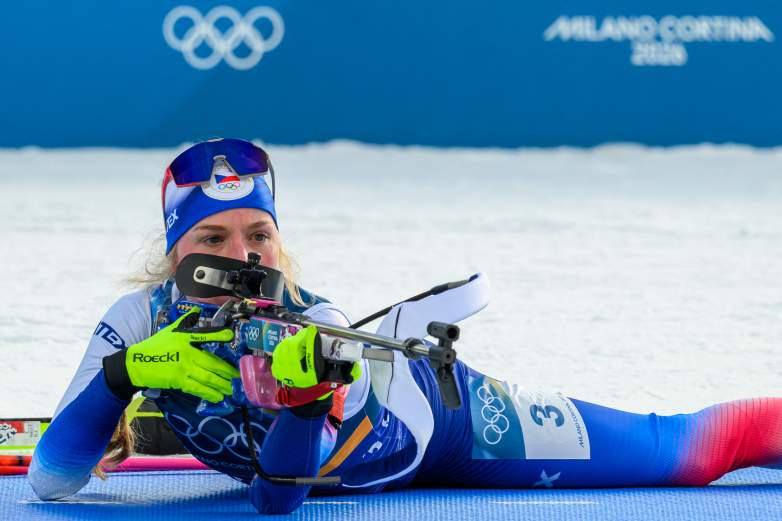
If you’ve ever wondered why Scandinavian countries dominate the Winter Olympics podiums, it isn’t just because they’re northern nations with plenty of experience in the snow – It’s because their national identities are steeped in hundreds of years of history that has shaped modern competitive events like the biathlon.
The sport’s origins go back to ancient Scandinavia, where harsh winters made skis essential for things like traveling, hunting, and conducting military operations. As early as the 18th century, Norwegian and Swedish soldiers were practicing skiing and shooting – and shooting while skiing – as part of their military ski troop training exercises. Learning how to be sharpshooters amidst terrain covered in snow and ice was essential for these Nordic military legions to be able to prioritize national defense and survival.
Scandinavian soldiers needed to move quickly on skis while using rifles effectively, so they operated training exercises which required speed across long distances and the precision of marksmanship. Since turning operational exercises into competition amongst one another was a natural part of military culture, these practices became the foundation for the modern biathlon.
The Structure of the Biathlon Tests Both Body and Mind
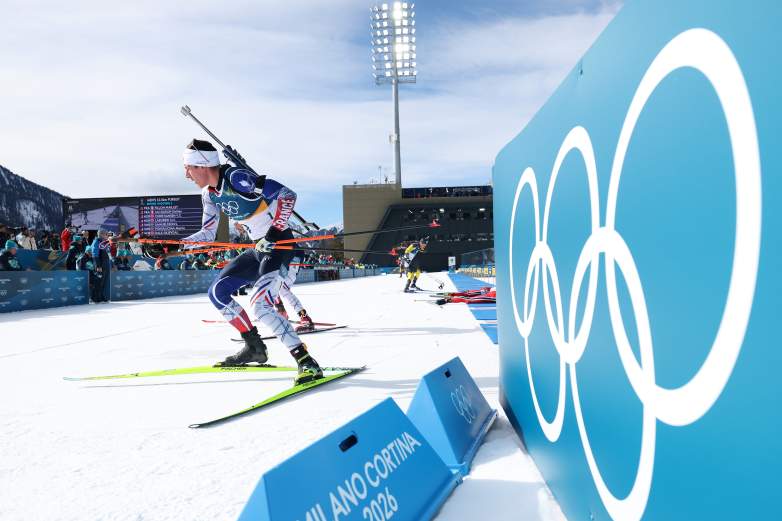
Given how the target practice tested the mind and the endurance of cross-country racing on skis tested the body, the military exercises akin to today’s biathlon were highly effective for Nordic troops. But how exactly did a military practice become an Olympic sport watched globally in today’s world? There were three distinct phases of the biathlon’s evolution.
By the 19th and 20th centuries, Nordic nations began creating ski clubs for civilian sporting activities that were inspired by military training. Organized events called “Military Patrol Races” emerged with each race featuring competitors carrying rifles with them as they skied. The endurance-heavy courses and penalties issued for missed marks during shooting portions of the tracks created competitive environments that became increasingly intriguing to participants.
The inaugural Olympic showcase of what would become the modern biathlon occurred at the 1924 Winter Olympics in Chamonix, France, where a military patrol event involving teams of soldiers with rifles racing on their skis took place. The military race was contested as a potential event in the Olympics. Even though it didn’t become an Olympic sport during its initial bid, the 1924 appearance planted the seed for the modern biathlon to form.
The biathlon didn’t evolve into its contemporary form immediately as it remained a military-specific competition for several more decades. It took until the 1960 Winter Olympics for the version we know today to make its evolution into the permanent form of the discipline we know today. The women’s competition wasn’t included on the international stage until the 1992 Winter Olympics in Albertville, France.
Who Decided That Cross-Country Skiing With Rifles Was a Good Idea? The History of the Biathlon Explained