

Team USA’s ‘Blade Angels‘ will take to the ice for their final skating performances in the women’s individual figure skating competition at 1PM ET on February 19, 2026. Amber Glenn, Alysa Liu, and Isabeau Levito will all participate in the free skate portion of the competition after they each qualified during the short program round two days earlier.
Each individual figure skating competition includes the short program and the free skate for both men and women at the 2026 Winter Olympics in Milan-Cortina. The world has now seen all of the short programs, but the pinnacle event for the Blade Angels will determine who brings home a medal. For viewers, it may be confusing to understand how the free skate event works and how it is scored. But don’t worry – Here’s everything you need to know to understand this event whether you watch it live or catch the highlights on social media.
Each Competitor Needs to Include 10 Elements for the Free Skate
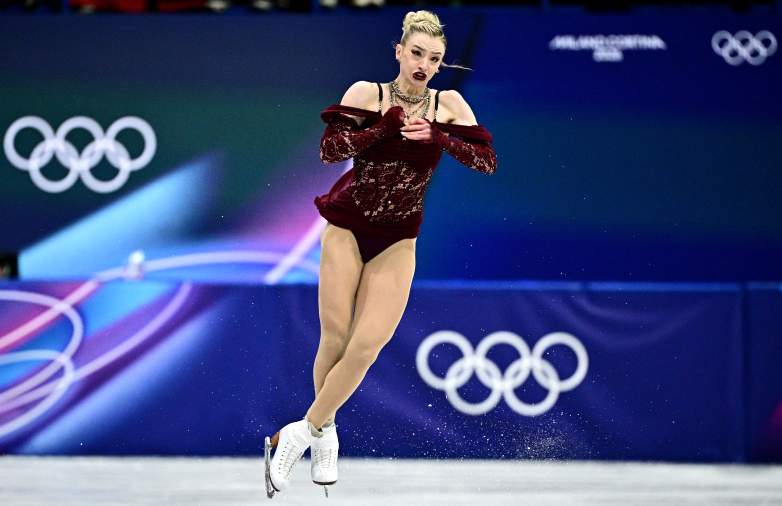
The free skate event is sometimes referred to as the long program because it is approximately four minutes along with a buffer of 10 seconds. During the women’s free skate, each athlete will need to include 10 distinct elements plus steps set to music in order to receive a full score from the judges. During the short program portion of the competition, Team USA’s Amber Glenn failed to complete one of her elements and received a score of zero from the judges for an invalid element. That makes successfully completing all of the elements required essential for skaters who want to make it onto the Olympic medal podium.
The 10 elements required in the free skate include seven jumps and three spins. Of the jump elements, at least one must be an axel where skaters take off from a forward-facing position, perform two and a half rotations for a double axel or three and a half rotations for a triple axel, and then land backwards back onto the ice on the same foot from which they launched themselves into the air.
How Skaters are Awarded Points in the Free Skate
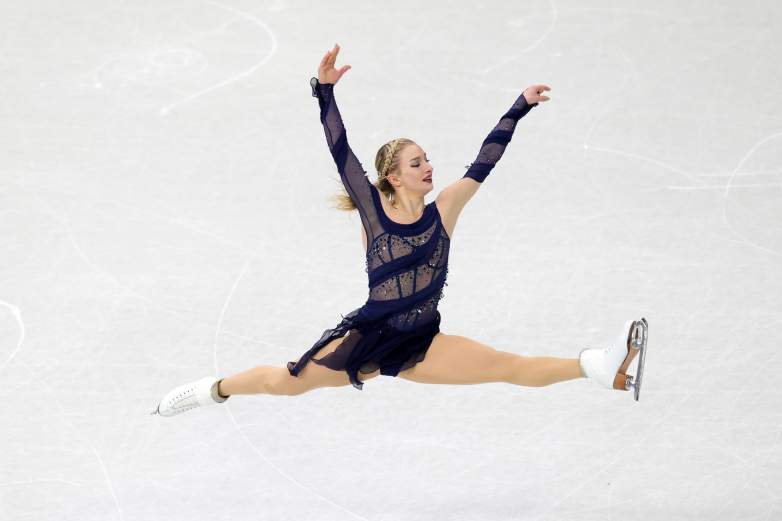
Figure skaters are awarded points for successful completion of each of the elements they land during their routines. For the women’s competition, the most points are awarded for jumps than for spins or other choreographed steps.
Each element in the free skate comes with its own degree of difficulty that amplifies the athlete’s score as the skill becomes more advanced. For example, a triple axel jump has a higher degree of difficulty and will receive a higher score for completion than a double axel jump. The same goes for combination jumps, which is when a skater performs two skills in back-to-back sequence. At the end of the four minutes for each routine, if a skater fails to stay within the 10 second buffer then they will be penalized and lose a portion of their elemental score.
The Women’s Figure Skating Free Skate Event Explained