
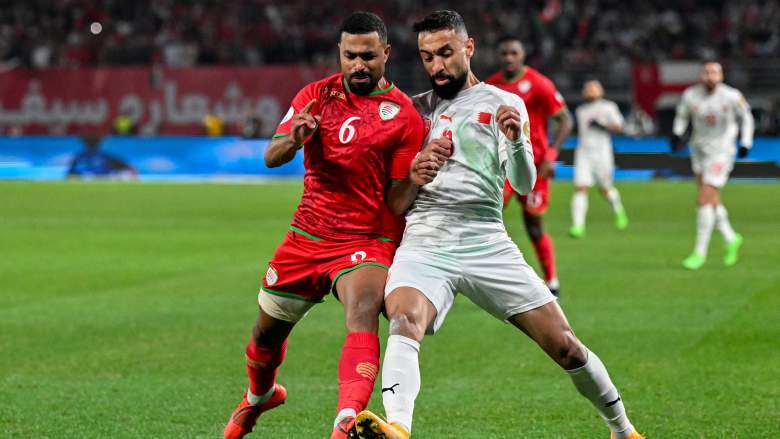
While most of the soccer world is focused on the European Nations League or international friendlies involving the biggest global stars, another tournament is about to bring eight intensely competitive national teams together in Jeddah. The 27th Arabian Gulf Cup kicks off Wednesday and runs through October 6, with 15 matches packed into two weeks and a level of regional passion that makes this one of the most underrated tournaments on the international calendar.
You may not have planned on watching. That may change once you understand what the Gulf Cup means to the countries involved. This is not a preseason exhibition or a collection of meaningless friendlies. Every team knows the history, every fan knows the rivalries and, with four teams advancing from the group stage, every game matters.
Arabian Gulf Cup 2026: Groups, Schedule and Jeddah Venues
This is the first time Jeddah has hosted the tournament, with all 15 matches being played at Al-Inma Stadium in King Abdullah Sports City and Prince Abdullah Al-Faisal Sports City Stadium. Group A features hosts Saudi Arabia, Iraq, Oman and Kuwait, while Group B contains the United Arab Emirates, Qatar, defending champions Bahrain and Yemen. The top two teams in each group advance to the semifinals on October 3, with the final scheduled for October 6. Full schedule HERE.
The opening day features Iraq against Oman at 5:30 p.m. local time (10:30am ET) before Saudi Arabia faces record 10-time champion Kuwait at 9 p.m. (2:00pm ET). The Saudi-Kuwait game takes place on Saudi National Day, adding another layer of occasion to what is already one of the tournament’s marquee opening fixtures. Group B begins Thursday with the UAE taking on Yemen before Qatar meets defending champion Bahrain.
A Fierce Tradition With Plenty at Stake
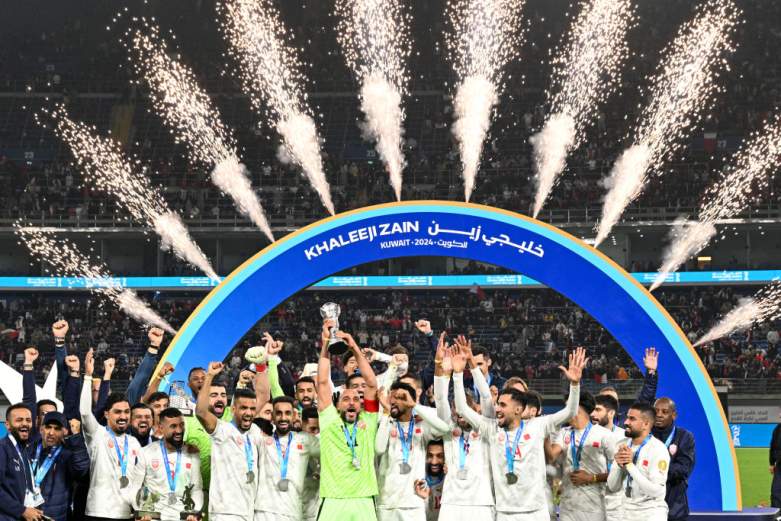
The Gulf Cup dates back to 1970 and has become one of the defining sporting traditions of the region. Kuwait leads the all-time standings with 10 championships, followed by Iraq with four and Saudi Arabia and Qatar with three apiece. Bahrain are the defending champions after winning the 2024 edition, while Yemen remain the only participating nation never to lift the trophy.
The competition is also perfectly positioned within the new extended international window. Instead of national teams squeezing a couple of matches into a short break, coaches have a concentrated tournament environment in which to build cohesion and evaluate players. Saudi Arabia’s Georgios Donis, Iraq’s Graham Arnold and UAE coach Zlatko Dalić all have major tournaments ahead, with the 2027 Asian Cup also coming in January.
Why This Overlooked Tournament Is Worth Watching
There are plenty of storylines. Saudi Arabia are playing at home and looking to add another title, Iraq are trying to rebound from a disappointing World Cup, Oman are chasing their first championship since 2017, and Bahrain must defend the trophy. In the other group, Qatar and the UAE enter with plenty to prove, while Yemen are still searching for a first semifinal appearance.
And then there is the atmosphere. Gulf Cup matches carry a regional edge that can be difficult to appreciate from thousands of miles away. These are neighbors who know each other extremely well, with supporters who understand the significance of every result.
In the United States, ESPN+ will stream the tournament, while DAZN is among the few European broadcasters offering coverage in German-speaking markets.
So while Europe takes a break from club soccer and the biggest international names dominate the headlines, give the Gulf Cup a chance. You may discover that the tournament nobody outside the region is talking about provides some of the most compelling soccer of the entire international window.
Want To Watch Soccer That Actually Means Something? The Gulf Cup Starts Wednesday