
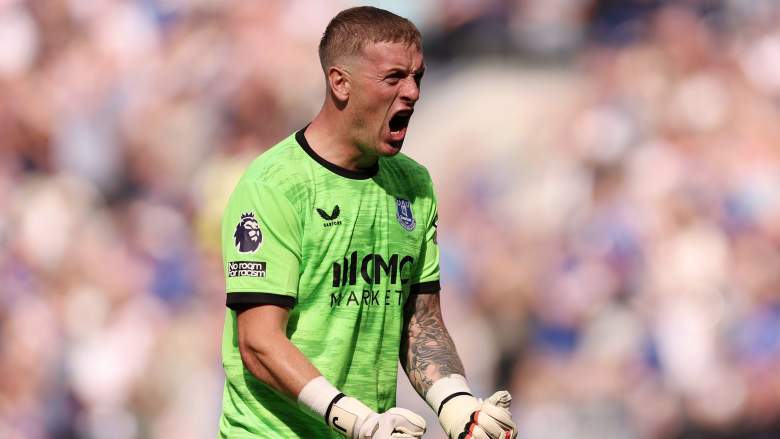
If you’ve followed how American sports franchises operate, this next move from Everton’s ownership group will feel familiar. The Friedkin Group — the Texas-based outfit that bought the club less than two years ago — is now working with advisers to bring in outside investors, in a process that could see a significant minority stake sold off. Think of it less like a “for sale” sign and more like an NFL owner bringing in a limited partner to help cover the cost of a new stadium.
A Move Straight Out of the American Ownership Playbook
Dan Friedkin’s group, which also owns Serie A club AS Roma and is separately chasing an NHL expansion franchise in Houston, is reportedly working with advisers from the Financial Times’ reporting to sound out potential investors. And here’s the part that should resonate with American sports fans specifically: this is almost the exact same playbook Liverpool’s ownership just ran. Boston-based Fenway Sports Group, which owns Liverpool, recently sold roughly 33% of the club to a consortium including Amazon founder Jeff Bezos, valuing Liverpool at $6.8 billion (£5.19 billion). Everton isn’t in that stratosphere financially, but the underlying strategy — American ownership groups bringing in outside capital rather than funding everything themselves — is becoming the norm on both sides of Stanley Park.
Why Now, After a Rough Transfer Window
The timing isn’t subtle. Everton just finished one of the more chaotic transfer windows in the league, headlined by the collapse of a deal for striker Folarin Balogun after he reportedly failed his medical, and a fan group that runs Goodison Park matchday displays announced they’re suspending activities entirely, saying the club’s ambitions no longer match the fanbase’s. It wasn’t a completely quiet window on the incoming side — Everton made seven senior signings in total, headlined by Jack Grealish returning on loan from Manchester City and Brennan Johnson arriving from Crystal Palace for around $30 million (£22 million) — but the Balogun collapse left a real hole at striker position that the club never managed to fill. Financially, the numbers still worked out fine for Everton: they finished the window roughly $34 million (£25 million) in profit even after all that spending. That’s the paradox at the heart of this story — Everton are more financially stable than they’ve been in years, yet the Balogun fiasco specifically has fans frustrated that stability hasn’t translated into solving the position that mattered most.
The Friedkin Group’s Track Record So Far
TFG bought roughly 99.5% of Everton from previous owner Farhad Moshiri in a deal that cost more than $445 million (£330 million) once debt was factored in, with the takeover approved in December 2024. Since then, the group has refinanced the club’s expensive debt and secured better loan terms tied to the new Hill Dickinson Stadium, which has sold out consistently. They’ve also already brought in minority partners before — former NBA head coach Jason Kidd and Houston billionaire Christopher Sarofim both bought equity stakes in Roundhouse Capital, the vehicle that owns Everton, back in 2025. This latest search for investors looks like more of the same strategy rather than any sign ownership wants out entirely.
What This Means for Moyes and the Squad
Despite the financial stabilization, the results haven’t followed — Everton finished 13th last season and haven’t cracked the top half of the table since 2020-21. Bringing in a new investor could eventually mean real spending power for David Moyes in future windows, closer to what big-market NFL or NBA teams can do when ownership groups expand. But that’s a longer-term play. Deals like this typically take months to finalize and require Premier League approval, so any actual impact on Moyes’s squad is unlikely to arrive before next summer at the earliest. For now, Everton fans are left in a familiar spot for supporters of American-owned clubs: watching the business side of their team move fast while the on-field product waits its turn.
Everton’s American Owners Are Shopping for a Business Partner