
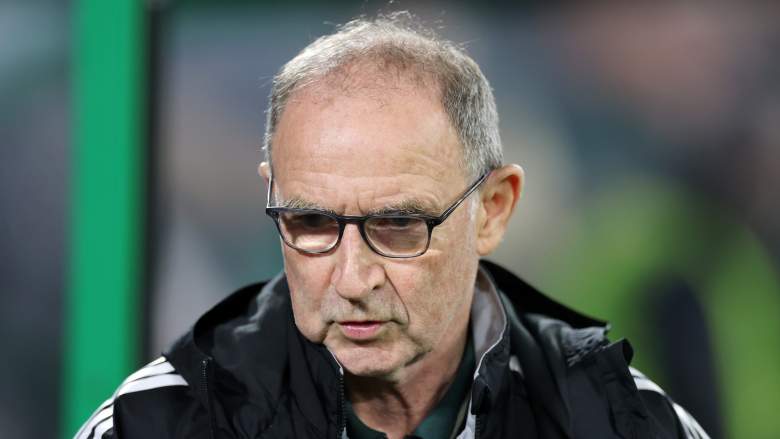
Martin O’Neill has openly admitted Celtic failed to replace Arne Engels after selling the Belgian midfielder to West Ham for £22 million in the summer — and the timing of that confession could hardly be more pointed. Speaking ahead of today’s Old Firm derby against Rangers, the Celtic manager confirmed the club were unable to land a like-for-like successor and are still feeling the absence of Engels’s distinctive running power in midfield.
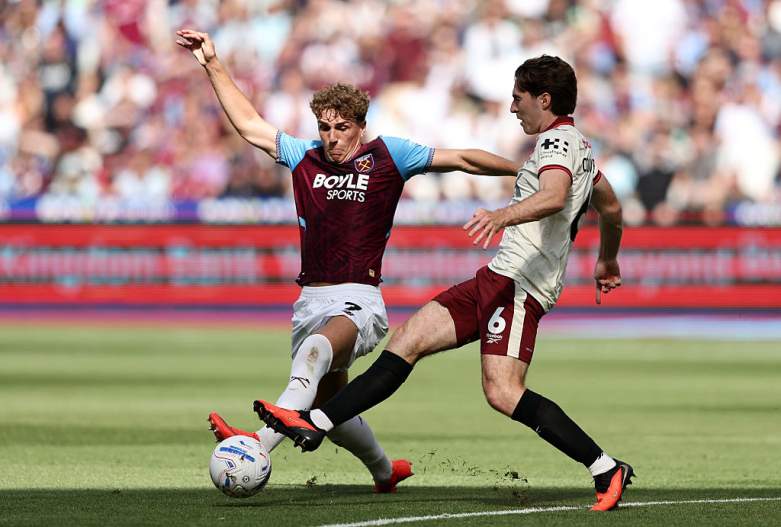
The Admission That Hung in the Air
O’Neill made no attempt to sugarcoat the situation, and the timing carries extra weight given Celtic’s recent form — they were beaten 3-0 by Rangers in a League Cup quarter-final at Ibrox just days ago, their first defeat to their rivals in that fixture since May 2023, and followed that with a loss to Ferencvaros in the Europa League. “I always felt he was going to be leaving anyway,” O’Neill said. “Trying to get a like for like, we looked at a number of players who could do that. For one reason or another, it didn’t materialise. So yeah, he’s been a loss in terms of that running power he can give you.” Asked directly whether Celtic would return to the market for a midfielder of that profile in January, O’Neill didn’t hesitate: “You’d have to, very much so.” He added that while the winter window “seems a million miles away,” it comes round relatively quickly.
What Celtic Actually Lost
Engels joined Celtic from Augsburg for £11 million back in the summer of 2024 and went on to make 100 appearances, scoring 17 goals and providing 22 assists while winning four trophies during his two seasons in Glasgow. He was never the flashiest name in the squad, but his box-to-box coverage and ability to cover ground repeatedly made him a vital component, particularly as he grew into the role toward the end of last season. Since his departure, the midfield has looked lighter and far more easily overrun, most visibly in that recent League Cup defeat.
The club had targeted Torino’s Gvidas Gineitis as a potential successor, but talks over a transfer fee broke down before the deadline. Celtic instead added Mika Baur from Paderborn, Joel van den Berg, and loan signing Oliver Sorensen from Parma, but O’Neill’s own assessment makes clear that none of the three currently offer the same blend of stamina and progressive running Engels provided. Celtic legend Scott Brown has floated Sorensen as the closest fit in style, praising his passing range and energy, though he cautioned he hasn’t seen enough of the Dane yet to know if the physicality will translate.
A Familiar Celtic Pattern
This isn’t the first time Celtic have sold a key performer and struggled to replace the specific qualities he brought. O’Neill’s willingness to say so publicly, on the eve of the season’s biggest domestic fixture, carries real weight — it places the midfield imbalance firmly on the agenda at a moment when every tactical detail will be scrutinized. O’Neill is even reportedly reconsidering Celtic’s long-standing 4-3-3 formation after the recent results, telling reporters that whatever shape the team plays, “you need strong running players in your side.” The Old Firm fixture has a habit of exposing exactly this kind of structural weakness, and by highlighting the missing running power so close to kickoff, O’Neill has effectively put a spotlight on an area Rangers will almost certainly look to exploit.
Looking Ahead to January
While the immediate focus is on today’s derby, the longer-term implication of O’Neill’s comments is clear: Celtic will need to return to the market in January with a more precise goal: find a midfielder capable of matching the physical output and coverage Engels once delivered. Until then, the current group will have to find other ways to compensate — starting today.
Celtic Manager O’Neill Flags Midfield Gap on Old Firm Day After Engels Exit