
The Premier League has always had a hierarchy.
There are the clubs expected to challenge for the title. There are the teams fighting for European places. Then there are the newly promoted sides simply trying to survive.
That hierarchy may be starting to change.
As digital PR specialist at casinos.com Euan Jones noted, the story isn’t about winning matches, necessarily. It’s about who’s rocking the boat this season.
“The biggest story in the Premier League isn’t just who’s winning, it’s who’s disrupting. Newly promoted clubs are proving that smart recruitment, strong culture and a clear identity can close the gap on clubs with far bigger budgets, creating the kind of unpredictability that makes football more compelling for supporters and broadcasters alike.”
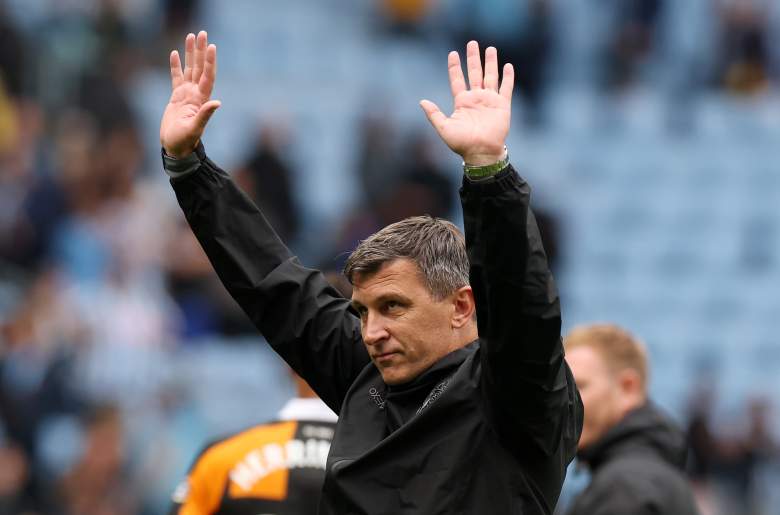
Hull City has become the poster child for this emerging shift.
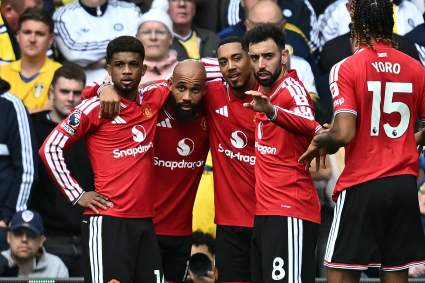
The Tigers returned to the Premier League after nine years away and immediately stunned Manchester United 2-0. They then defeated Coventry City 1-0 before holding Aston Villa to a goalless draw. That left Hull unbeaten through three matches with seven points and three consecutive clean sheets.
Jones believes that kind of unpredictability is good for the league, particularly because underdog stories tend to generate strong emotional engagement from supporters.
“Early results, including Hull City’s unbeaten start and shock win over Manchester United, show that the traditional hierarchy is becoming harder to rely on. From a PR perspective, that’s a positive shift. Underdog stories generate some of the highest levels of fan engagement because they’re authentic, emotional and easy for audiences to rally behind. It gives more clubs, players and local communities a chance to be part of the national conversation, while reminding brands that the most powerful narratives often come from ambition and resilience rather than reputation alone.”
The question now is whether this represents a genuine shift in the Premier League or simply another example of early-season chaos.
Can the Newcomers Actually Challenge the Premier League Establishment?
It would be premature to suggest that Hull City is suddenly going to compete with Arsenal, Manchester City or Liverpool over 38 games.
That’s not really the point.
What Hull has already demonstrated is that the gap between an established Premier League club and a well-run promoted side may not be quite as wide as it once appeared.
The Tigers didn’t just beat Manchester United. They followed it up with another victory and then held Aston Villa without conceding. Their organization under Sergej Jakirovic has been particularly impressive, and the club’s recruitment has given it players capable of competing immediately.
That doesn’t mean Hull will finish in the top half.
Eventually, injuries, squad depth and the relentless schedule could catch up with them. The Premier League is a different animal over 38 matches, and established clubs have considerably more resources to navigate problems.
But Hull doesn’t need to finish sixth for this to be significant.
The same applies to the other promoted clubs. Ipswich won its opening game, while Coventry lost its first two league matches before getting an early taste of how difficult life at this level can be.
Perhaps Hull is a flash in the pan.
Perhaps it isn’t.
Either way, the early results suggest the established clubs cannot simply assume that promoted opposition will roll over anymore.
A Changing of the Guard Would Be Great for Fans
This is where the changing hierarchy could become particularly valuable for the Premier League.
Dominance can create familiarity, but unpredictability creates engagement.
When supporters of newly promoted clubs believe their team can actually walk into Old Trafford, Stamford Bridge or the Emirates and get a result, those matches mean something different. The entire community becomes invested.
Hull’s victory over Manchester United was a perfect example.
The Tigers were returning to the top flight after nine years away, and they immediately produced one of the biggest stories of the opening weekend. The Premier League itself described it as a historic victory, while Reuters noted that it was Hull’s first league win over United in 52 years.
That’s precisely the kind of story the league needs.
It gives smaller clubs a reason to believe. It gives their supporters something to rally around. And it gives neutral fans another reason to watch a match that might otherwise look predictable on paper.
The Premier League doesn’t need the traditional powers to disappear.
It simply needs more clubs to believe they can challenge them.
If Hull and other newcomers can keep pushing the established order, the league could become more competitive, more unpredictable and, ultimately, more compelling.
That would be a win for everyone.





Premier League Hierarchy Is Starting to Look Very Different