

The Detroit Tigers will have a familiar decision involving Gleyber Torres after the 2026 season. They can try to sign the veteran second baseman again or allow him to reach free agency, but one option they used last winter is no longer available.
Torres accepted Detroit’s one-year, $22.025 million qualifying offer in November. That kept an All-Star in the lineup for another season, yet it also triggered a permanent restriction: A player can receive only one qualifying offer during his career.
Reports do not indicate that Torres has decided to leave Detroit or that the Tigers will pursue another contract. However, if he signs elsewhere this winter, Detroit cannot collect the draft-pick compensation that usually makes a qualifying free agent’s departure easier to absorb.
Torres Already Used His Only Qualifying Offer
The qualifying-offer system gives a team a chance to retain an eligible free agent on a one-year contract. If the player rejects the offer and signs elsewhere, his former club can receive a compensatory pick.
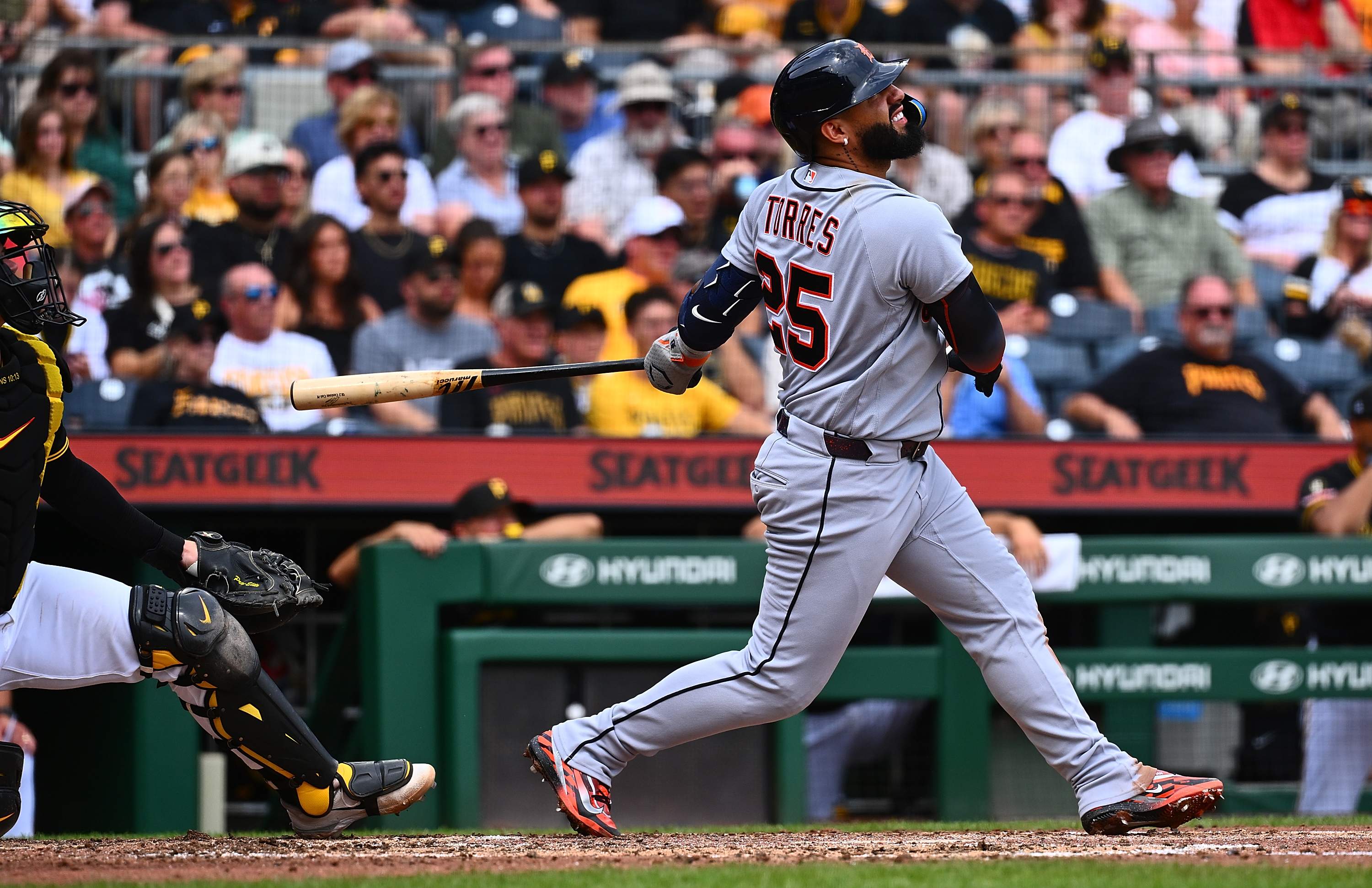
Detroit used that mechanism after Torres hit .256/.358/.387 with 16 home runs and 75 RBIs in 2025. He accepted, becoming the first Tigers player to take the offer. In its official report on the decision, MLB.com explicitly noted that Torres could return to free agency after 2026 without draft-pick compensation attached.
The restriction follows Torres, so neither Detroit nor a future club can attach another qualifying offer to him.

The Rule Changes Detroit’s Offseason Calculation
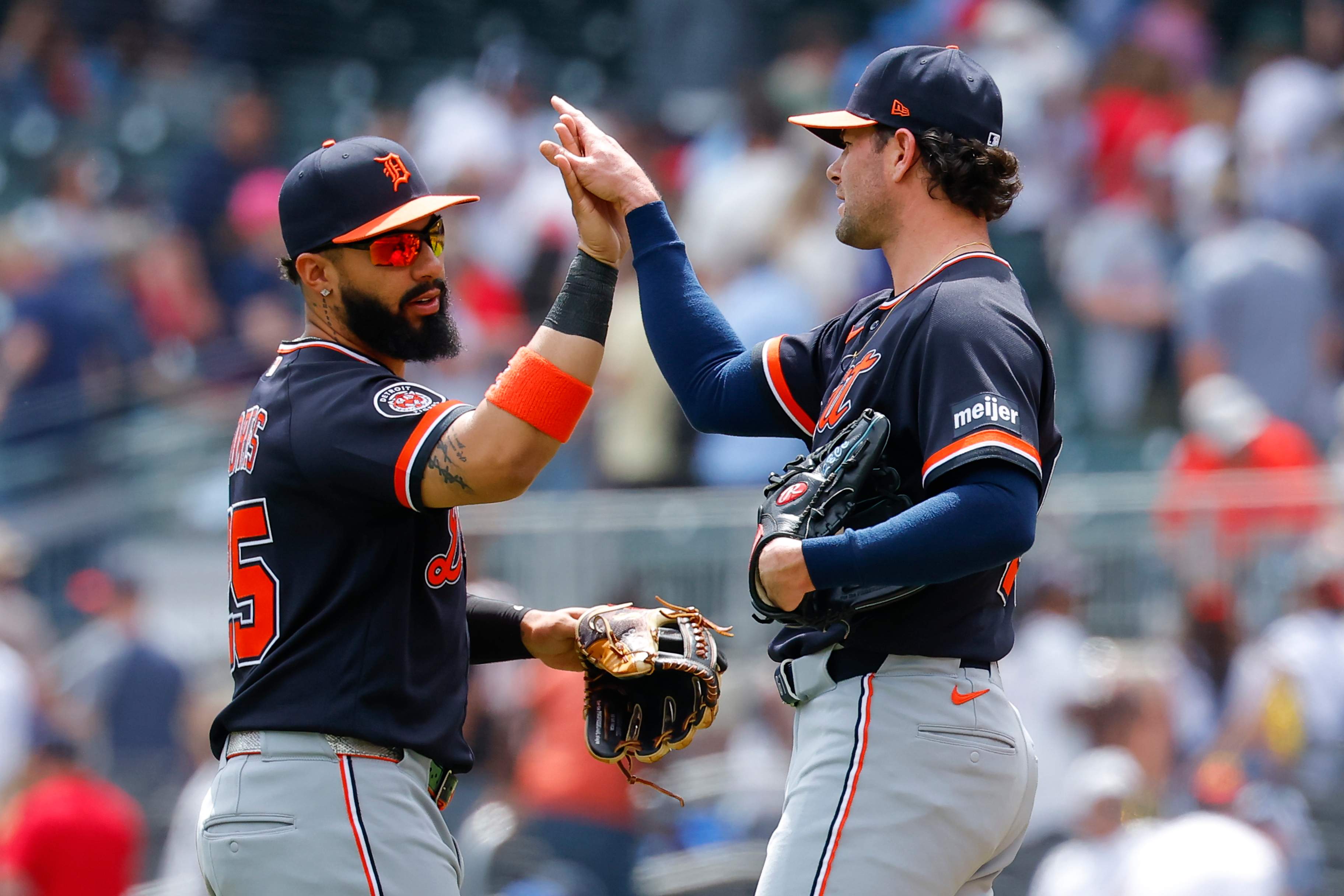
The lost compensation does not mean the Tigers must re-sign Torres at any price. It does mean they cannot treat a possible departure as a path to replenishing the farm system. If the sides separate, Detroit’s return will be the roster and payroll space his exit creates—nothing more.
President of baseball operations Scott Harris must therefore judge Torres on fit and future production rather than hope the qualifying-offer process provides a fallback. Detroit could negotiate an extension before free agency, compete for him on the open market, or redirect the money toward another need.
The expiration of the current collective bargaining agreement does not change the immediate rule. MLB’s 2026 qualifying-offer analysis stated that this winter’s process is already locked in and again listed prior recipients as ineligible.
Torres still has time to influence the baseball decision. His performance down the stretch, defensive fit, and contract demands will carry far more weight than one lost pick. Still, the rule removes a piece of leverage Detroit held last year and makes the passive outcome—letting him walk—less attractive.
The Tigers did not make a mistake by keeping Torres for 2026. They simply used the only qualifying offer they could ever attach to him. When his next decision comes, Detroit will have to either retain the player or accept that his departure yields no compensation at all.













One MLB Rule Could Make a Gleyber Torres Exit Cost the Tigers More Than Expected