
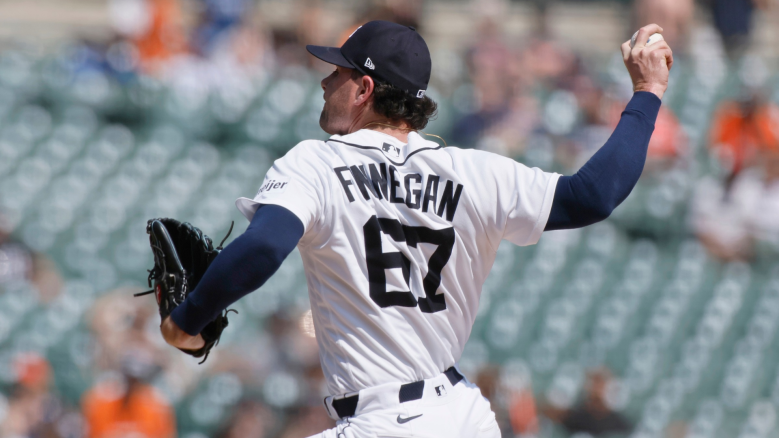
The Detroit Tigers signed Kyle Finnegan to provide late-inning stability beyond one season. One disastrous appearance against the Minnesota Twins did not erase everything the veteran reliever accomplished, but it made the guaranteed second year of his contract harder to ignore.
Finnegan entered Tuesday with a 3.27 ERA. He left Detroit’s 15-2 loss with a 4.07 ERA after allowing five runs on three hits and two walks while recording only one out. The ESPN box score shows Finnegan threw 11 of his 25 pitches for strikes during Minnesota’s 10-run sixth inning.
The outing was not an isolated bad night. It followed an August in which Finnegan posted a 5.00 ERA and 1.67 WHIP across 10 appearances, according to RotoWire. That trend poses a larger question for Detroit as it evaluates the bullpen surrounding its young core.
Finnegan’s Contract Extends the Concern
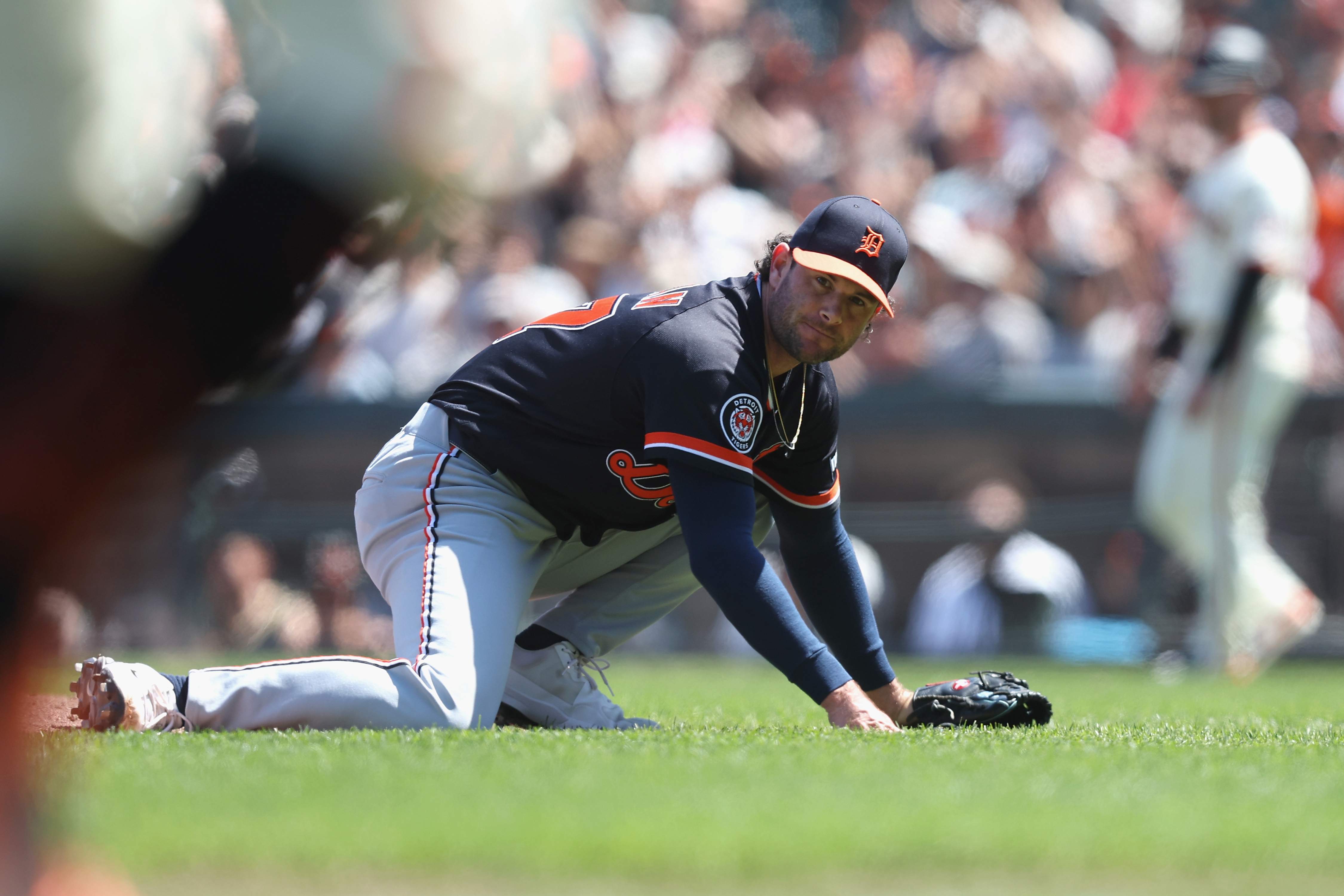
Detroit brought Finnegan back in December on a two-year, $19 million contract. The agreement pays him $8.75 million in 2026 and guarantees another $8 million in 2027. It also contains a $10 million mutual option for 2028 with a $2.25 million buyout, according to Reuters’ contract breakdown.
That structure means the Tigers cannot treat their September performance as a short-term concern. Finnegan already occupies a place on next season’s payroll, and Detroit signed him to handle important innings. The club must determine whether his results reflect a temporary slump or warning signs involving a reliever who turns 35 on Sept. 4.
Finnegan has demonstrated that he can record outs in leverage situations. He saved 24 games between Washington and Detroit in 2025 before returning in free agency. His experience remains valuable for a bullpen that could undergo changes this offseason.
However, Detroit did not guarantee $19 million for experience alone. The Tigers need Finnegan to miss bats, limit traffic, and consistently protect leads. Tuesday offered none of those qualities.

Detroit Needs a September Rebound
Finnegan’s rough appearance came after the game had already begun slipping away, so it should not be viewed as more significant than blowing a late lead. Troy Melton and Detroit’s defense also contributed to the collapse. Still, allowing five runs while retiring one batter represents a significant failure regardless of the score.
The Tigers have little reason to make a roster decision. Finnegan remains under contract, and one month does not define a season. September instead gives Detroit an opportunity to evaluate whether he can restore his command and regain manager A.J. Hinch’s trust.
A strong finish would make Tuesday look like the ugliest point in a downturn that can be corrected. Continued control problems would force the president of baseball operations, Scott Harris, to reconsider Finnegan’s projected 2027 role and pursue more late-inning help.
Detroit knows Finnegan will be part of next year’s payroll. What the club no longer knows with confidence is whether he should remain part of its most important innings.
Tigers’ $19 Million Reliever Just Turned One Bad Month Into a Bigger Problem