

The Toronto Blue Jays entered this phase of contention believing their renovated home ballpark would create a real advantage. Early data suggest the changes to the Rogers Centre may have had the opposite effect. The numbers now raise serious questions about how the team built its roster.
Toronto completed major renovations ahead of the 2024 season and brought in the outfield walls in key areas. The organization wanted more offense and a livelier environment. That vision made sense for a lineup built around hitters like Vladimir Guerrero Jr., Kazuma Okamoto, and George Springer.
However, multiple data sources show a more complicated outcome. Statcast data from Major League Baseball, along with park factor models from FanGraphs and tracking tools on Baseball Savant, all point in the same direction.
Data Reveals a Shift Without a True Edge
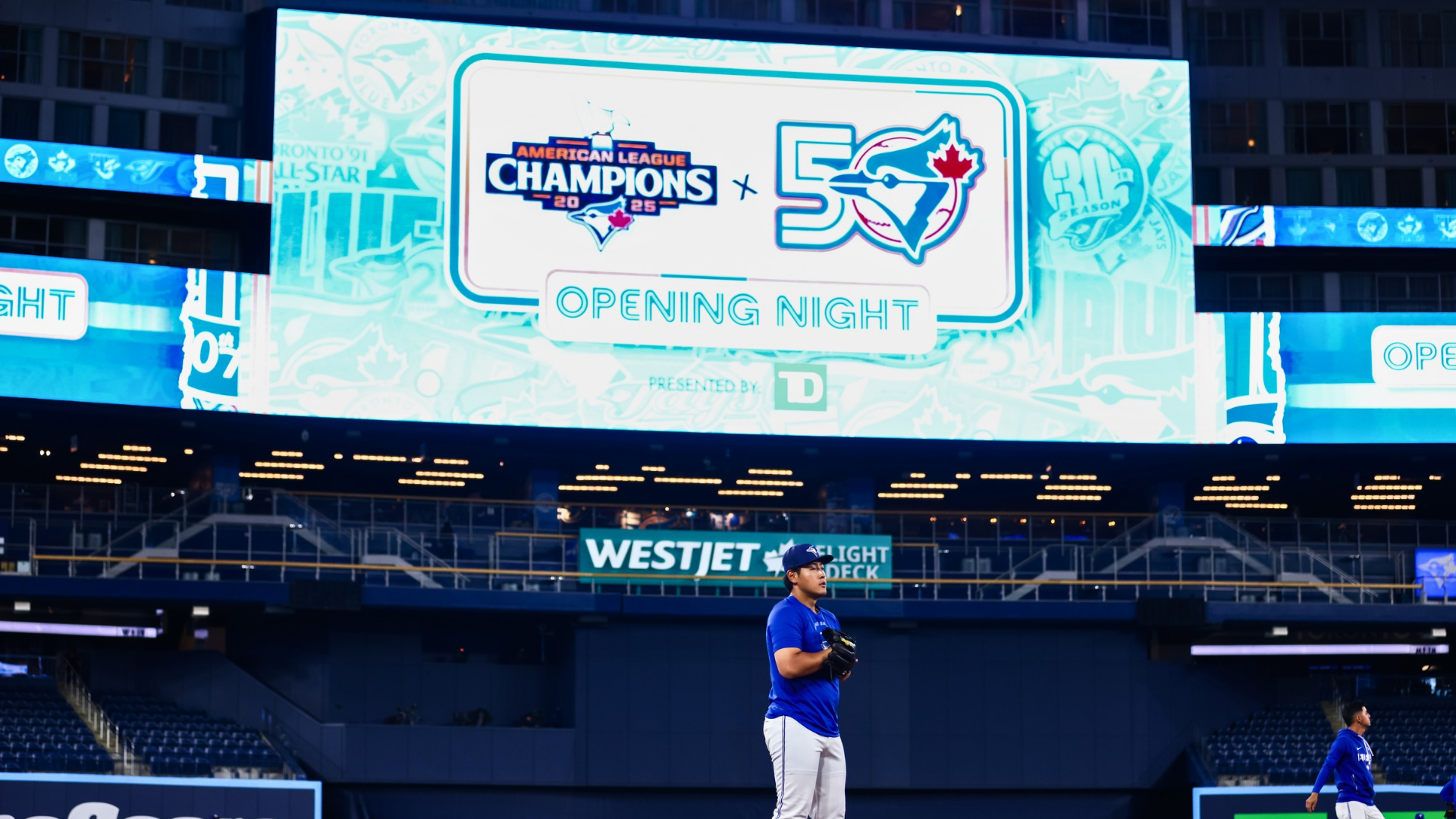
Statcast data shows that Rogers Centre now allows more home runs, especially to the gaps in left-center and right-center field. FanGraphs park factor models confirm the same trend. The ball carries more than it did before the renovations.
The problem is simple. Both teams benefit.
FanGraphs data from 2024 and 2025 shows that visiting teams match or even exceed Toronto’s power output at Rogers Centre. In several splits, opponents produced better slugging numbers than the Blue Jays at the same park.
Pitching data adds another layer. Statcast tracking shows higher exit velocity and barrel rates against Toronto pitchers at home. The environment rewards hard contact.
Toronto built a pitching staff that focuses on throwing strikes and limiting walks. That approach works in neutral parks. It creates risk in a hitter-friendly setting. Fly balls now travel farther and turn into extra-base hits or home runs.
The park enhances the quality of contact rather than suppressing it.
Blue Jays Roster Does Not Match the Park
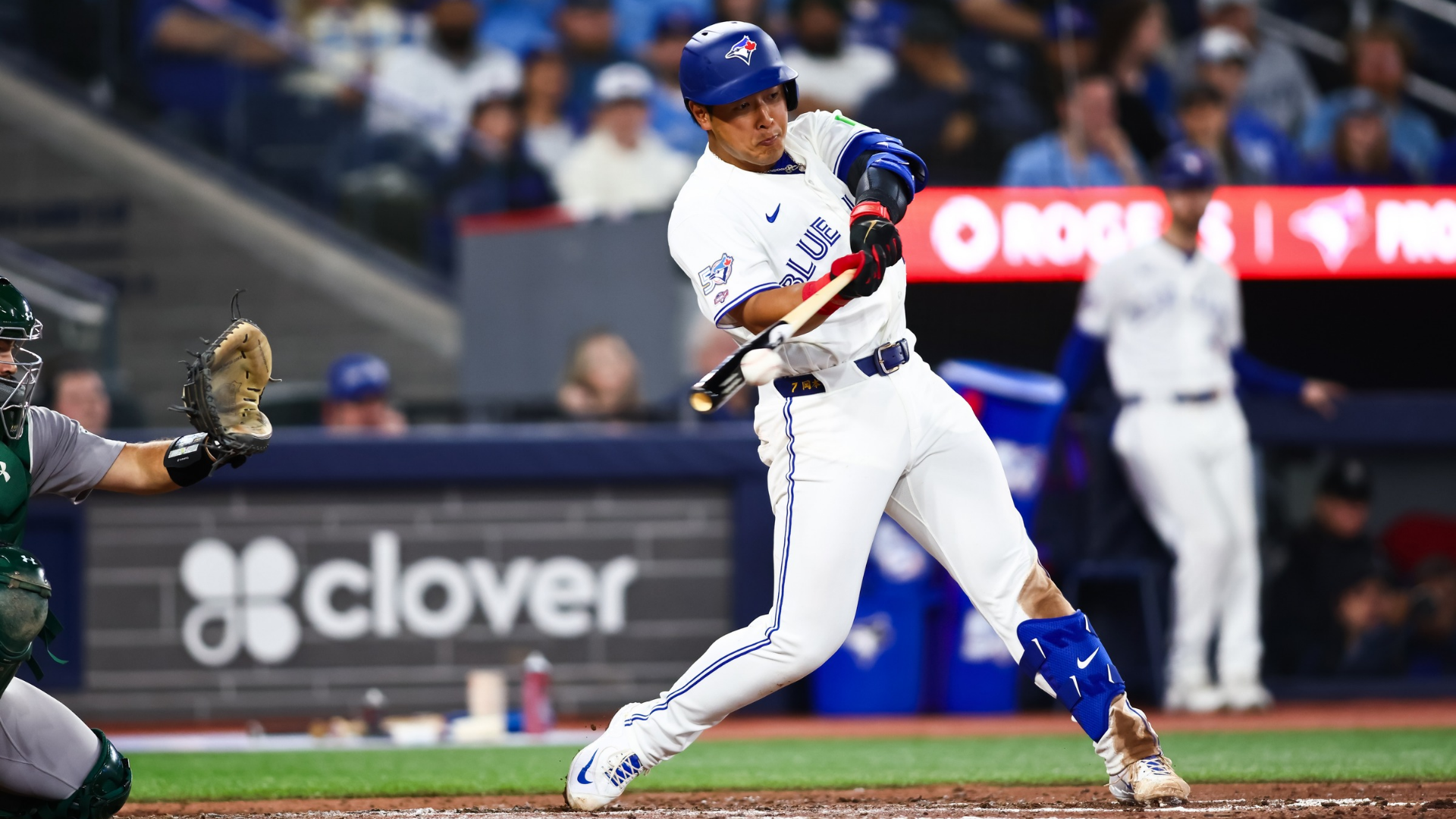
The Blue Jays expected their offense to take a step forward after the changes. That leap has not happened in a meaningful way.
FanGraphs data shows only modest improvement in Toronto’s home offensive production based on wRC+ splits. The lineup has not turned Rogers Centre into a clear advantage.
The issue comes down to hitter profiles.
Guerrero Jr. produces elite contact and high exit velocity, but he relies heavily on line drives. Springer builds value through contact and gap hitting. Statcast data shows both players hit the ball hard, but they do not rely on the type of elevated pull contact that benefits most from shorter fences.
Opposing hitters often feature more fly-ball-heavy approaches. Those profiles fit the new dimensions better.
Toronto created a park that does not fully match its offensive identity.
That mismatch shows up across the data. The Blue Jays do not gain a consistent edge at home, while opponents find ways to capitalize.
This issue goes beyond aesthetics or fan experience. It impacts run prevention, lineup construction, and overall strategy. In a division as competitive as the AL East, small disadvantages can decide playoff races.
The Blue Jays now face a clear choice. They can adjust the roster to match the park or accept that Rogers Centre no longer provides a built-in advantage.
Right now, the data shows the park influences outcomes more than expected.
Blue Jays Rogers Centre Data Raises Concerns