
The Boston Celtics won 56 games last season despite spending most of the year without Jayson Tatum. They remained near the top of the Eastern Conference, survived a season built around adjustment and entered the playoffs with another legitimate opportunity to contend.
That opportunity disappeared quickly. Boston surrendered a 3-1 first-round lead against the Philadelphia 76ers, losing three straight games to bring an otherwise impressive season to an abrupt end.
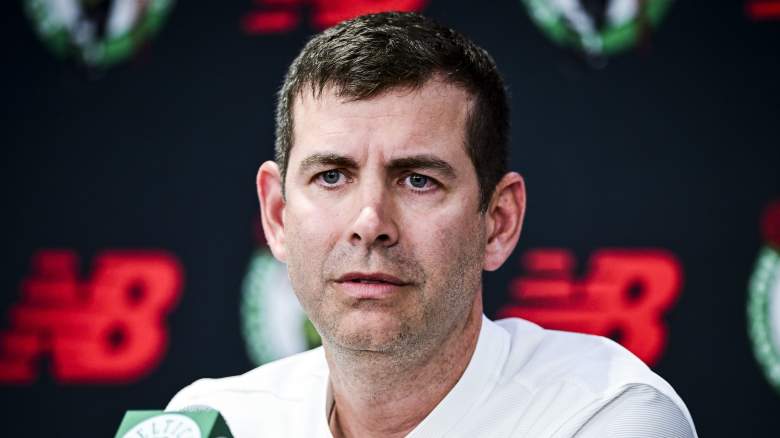
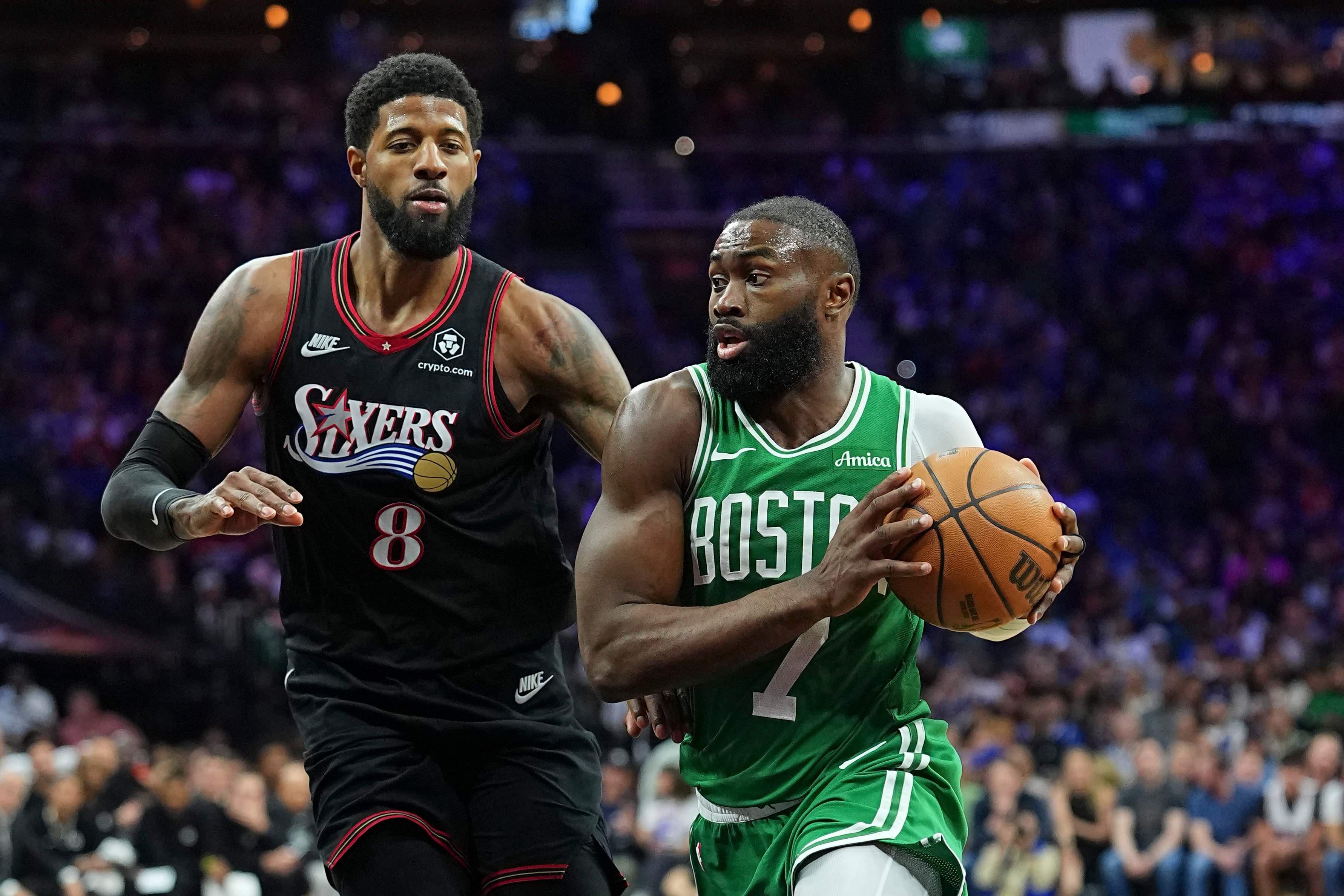
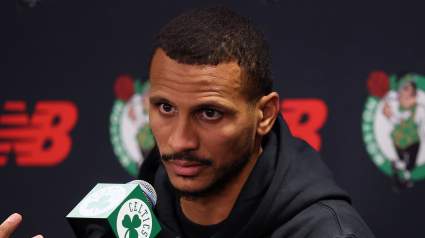
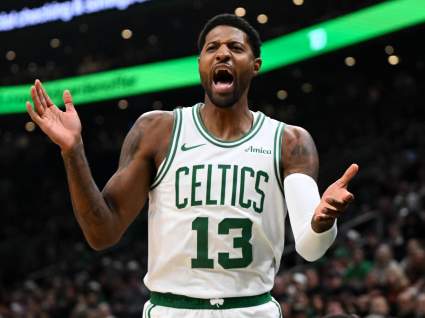
Then the organization made its biggest change in years. The Celtics traded Jaylen Brown to Philadelphia for Paul George and four draft picks. Brad Stevens has now shed more light on the question Boston wrestled with before breaking apart its championship core.
Stevens On Why Celtics Questioned Running It Back
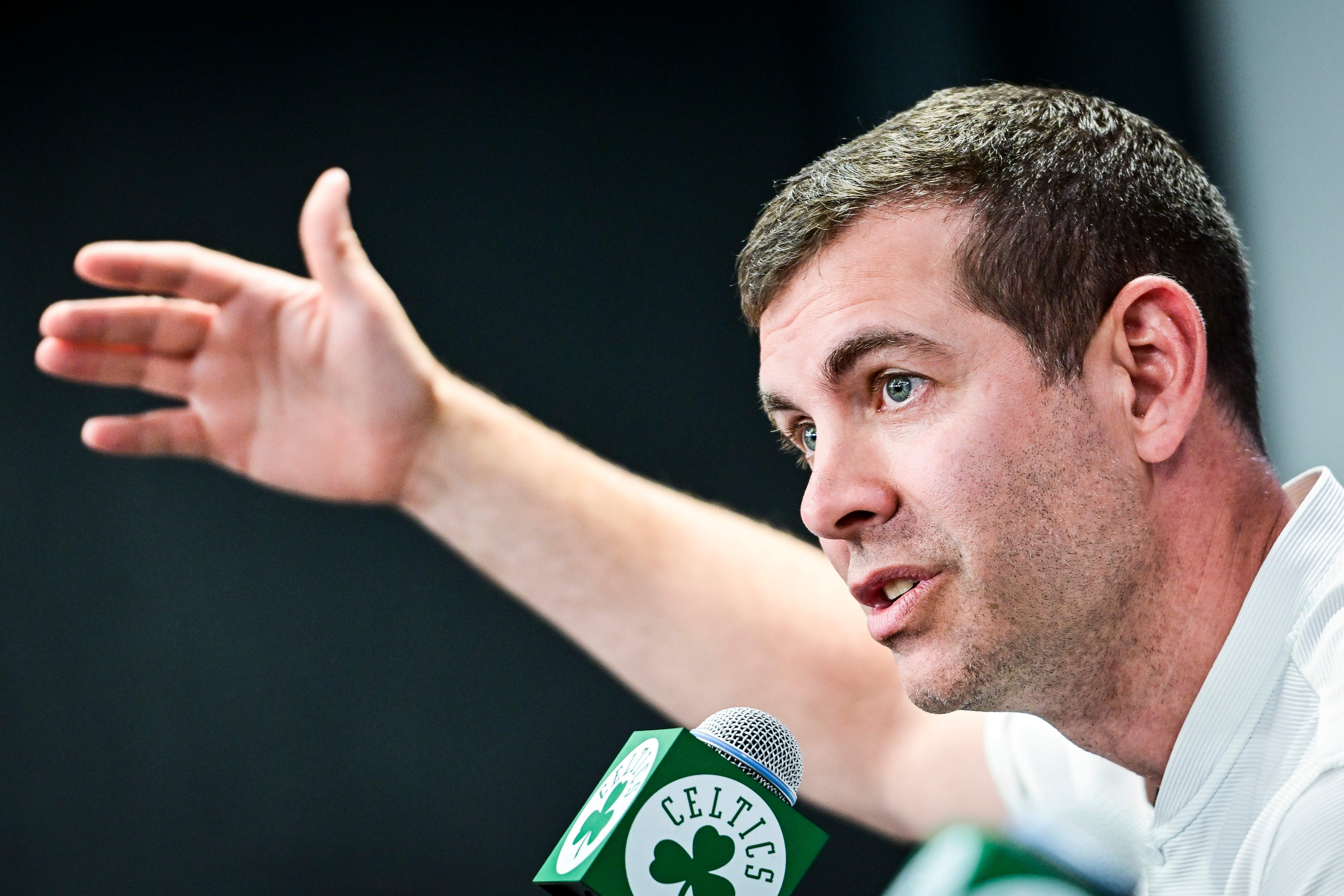
During a recent episode of Beneath the Banners, Stevens explained that Boston had to evaluate more than what its roster had already accomplished.
The question was where it could still go.
“It’s something that you have to just say, ‘Do you think where we currently are and doing what we’ve done will get us to where we want to ultimately go? If not, does it make sense to explore other pathways, even if that could be very tough in the near term?'” Stevens said.
The Celtics were deciding whether keeping the same core represented their best chance to win another championship. Stevens acknowledged that if they were not convinced it did, they had to be willing to accept some short-term pain and look somewhere else.
That makes the decision more complicated than simply choosing George over Brown.
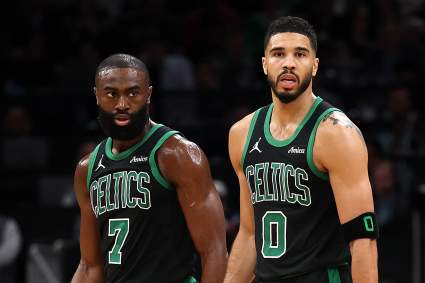
The Brown-Tatum era had already succeeded. They reached two NBA Finals together and won Banner 18 in 2024. Even without Tatum for most of last season, Boston still found a way to win 56 games.
Ultimately, the Celtics were no longer certain it was the formula they wanted to keep betting on.
Brown Made the Decision Even Harder
Brown gave Boston very little reason to doubt him individually. He carried an enormous responsibility while Tatum recovered from a torn Achilles and entered the summer as a five-time All-Star coming off one of the strongest seasons of his career.
His place in Celtics history was already secure.
Brown arrived as the No. 3 pick in 2016 and spent the next decade helping turn Boston into a perennial contender. He reached two NBA Finals alongside Tatum, helped deliver Banner 18 in 2024 and walked away from that run with Finals MVP. That history matters because the Celtics were not abandoning an experiment that never worked. They were changing something that had already reached the top.
There was evidence for keeping it together. A championship. Years of deep playoff runs. Fifty-six wins during a season in which Boston rarely had its franchise player available.
There was also the ending against Philadelphia. The Celtics had a 3-1 lead and three opportunities to finish the series. They could not do it. One playoff loss does not erase a decade of success. But it gave Stevens and the front office another result to weigh when deciding what came next.
Boston Was Willing to Choose Another Path
Stevens also discussed the challenge created by the NBA’s apron rules during the interview. The Celtics had known that operating near the highest payroll thresholds would eventually make roster decisions more difficult.
But Stevens’ explanation makes clear that the Brown decision cannot be reduced to finances alone. Boston received George and four future draft picks in return. Those assets give the Celtics more options as they continue shaping the roster around Tatum.
That connects directly to the choice Stevens described. Keeping Brown offered certainty. Boston knew what that partnership looked like at its best. Trading him created different possibilities.
There is obvious risk involved. Brown remains in his prime, George is considerably older and Boston sent one of the defining players of this era to a conference rival.
The Celtics accepted those risks anyway.
Stevens and the front office were willing to disrupt something proven because they believed the alternative deserved to be explored.
Final Word for the Celtics
The Celtics knew Brown could help them win a championship. He already had.
The harder question was whether keeping everything together gave them the best chance to do it again.
Boston decided not to wait for the answer.
Celtics’ Brad Stevens Gets Honest About Jaylen Brown Trade Decision