

The Boston Celtics did not get the ending they wanted on Saturday night. A season that defied expectation at nearly every turn came to a close at TD Garden, with a Game 7 loss to the seventh-seeded Philadelphia 76ers ending what had been one of the more remarkable years in recent franchise history.
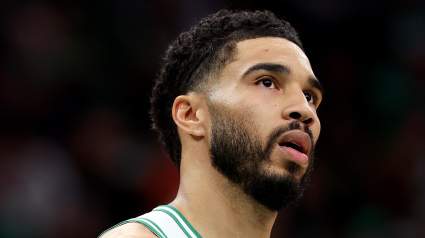
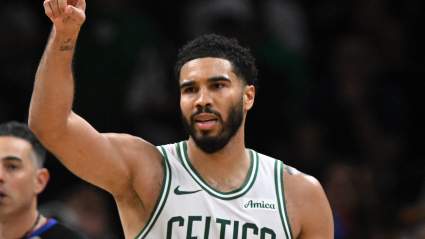
Jayson Tatum‘s season ended on the bench, but his message afterward was not about regret.
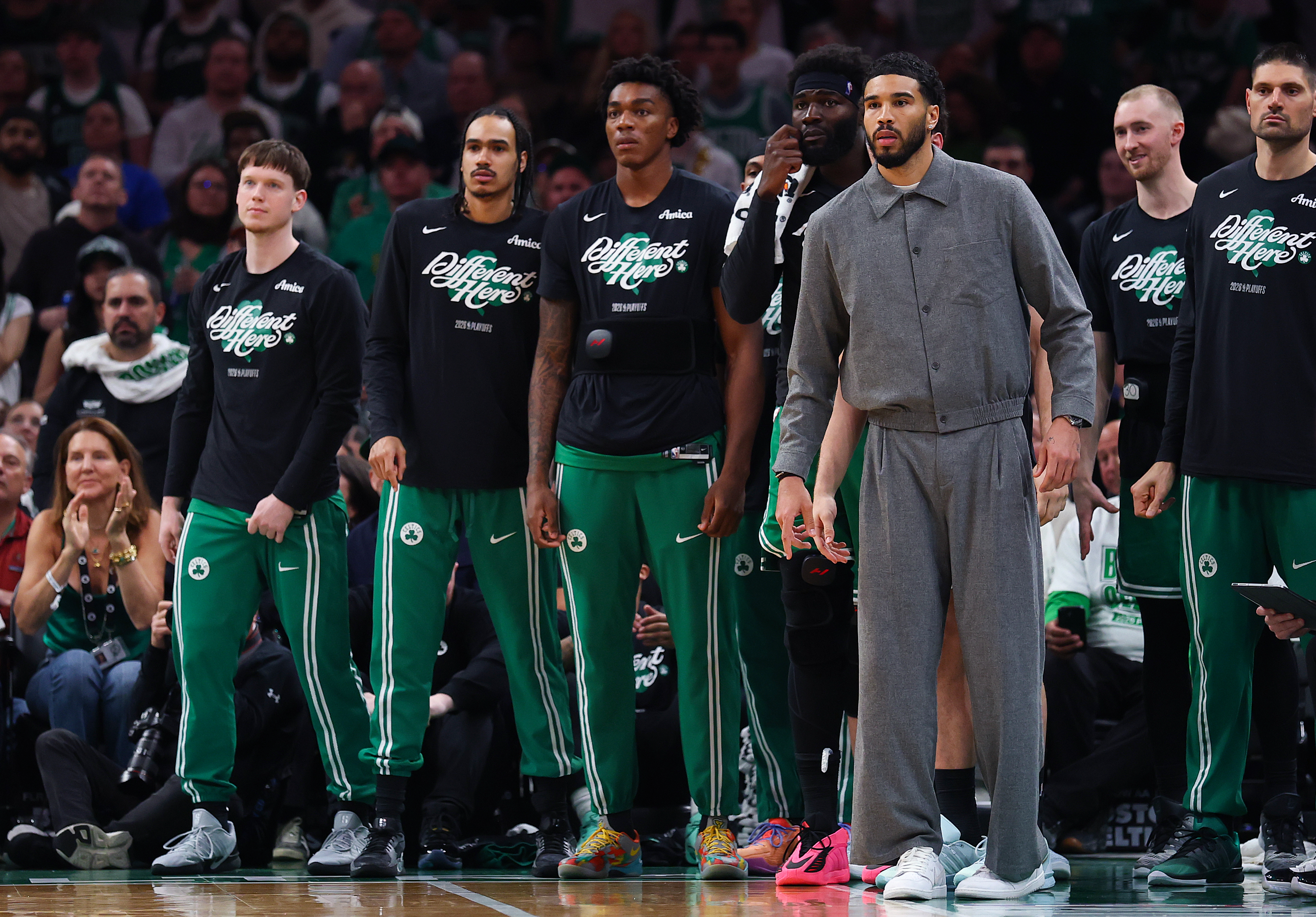
The stiffness behind his knee appeared late in the series and became too much for Boston to risk by Saturday. The player who had made one of the fastest returns from a ruptured Achilles tendon in recent memory had to watch on the side while his teammates fought to save the season without him.
The ending was brutal. His answer afterward shifted the conversation from what Boston lost to what Tatum believes he proved.
Tatum Opens Up As Boston’s Season Ends
The question was put to Tatum by Noa Dalzell. Given everything that happened, given the knee stiffness, the Game 7 absence and the first-round exit, did he still believe returning this season was the right call?
His answer was immediate.
“100%,” Tatum said. “I’m very happy that I came back to be a part of this team, got back to doing what I love, to help give us a chance to compete for a championship, to prove to myself that I can get back to being the guy who I was, and hopefully better.”
Tatum wanted to return for the Celtics. He wanted to give Boston a chance to compete. He wanted to get back to the sport he loves. But the answer also expanded on something bigger than one playoff series.
He wanted his comeback to carry meaning for players who may one day face the same injury.
“I’m happy and proud of the fact that I was able to do that, and unfortunately, if somebody else has to deal with this, they can look at what I was able to do and have some hope and inspiration that it’s not what people used to think it was. And, you can come back from this, and be who you were and hopefully be better,” Tatum said.
What Jayson Proved to Himself
The mental hurdle mattered as much as the physical one.
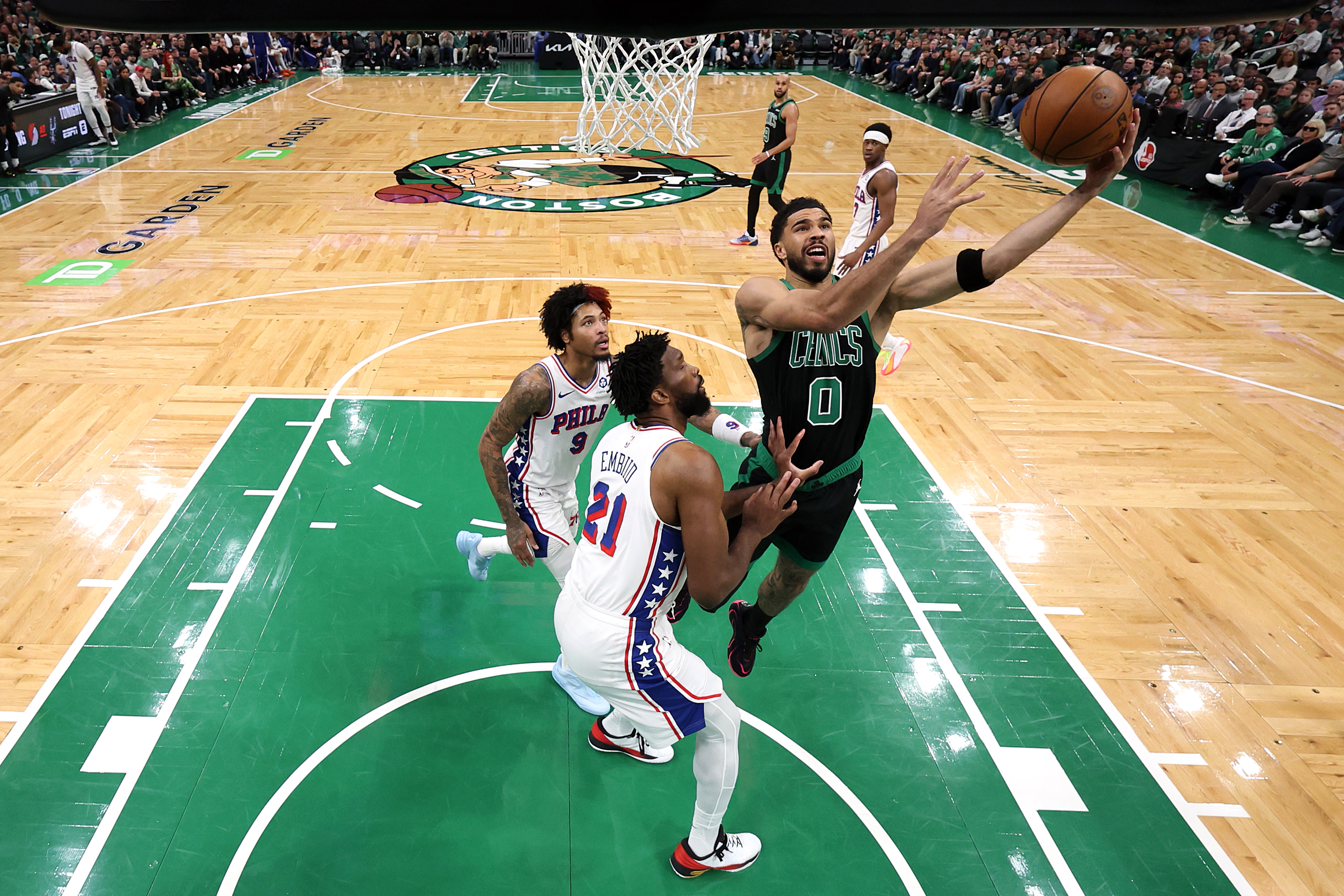
Tatum needed to know whether the player he had been before the injury was still there. Across the first six games of the series, he got his answer. Tatum averaged 23.3 points, nearly 11 rebounds, and close to seven assists per game, all while shooting at the best clip of his playoff career.
“I’ve shown that even at 80, 85% of myself,” Tatum said. “Now getting an extended period of time to come back next season 100%, 110% ready. Get my body right, get my right calf bigger.”
That is the part that matters most heading into next season for the Celtics. There was doubt. Real doubt about whether an injury that used to define careers would change the version of himself he could become. Tatum answered that while still somewhere short of full strength.
Now he gets the one thing he did not have before returning this season.
Time.
Tatum’s Comeback Carries Bigger Meaning
For years, an Achilles rupture carried a certain weight in basketball.
It was not just an injury. It was a question about identity, explosiveness, longevity, and whether a player could ever really return as the same version of himself. Tatum pushed back against that idea this season.
The Celtics early exit does not change what he showed. It does not erase the work. It does not change the fact that he returned in 10 and a half months and looked like a star again before his body forced him to pause at the worst possible time.
That matters for Boston. It also matters beyond Boston.
Tatum did not want his comeback framed as self-congratulation. He wanted it to be useful. If another player has to go through the same injury, he wanted them to see proof that the path back does not have to be as bleak as it once seemed.
He wanted players to know it is “not like a career-ending injury,” and that they can come back, be themselves, and maybe even become better.

Final Word for the Celtics
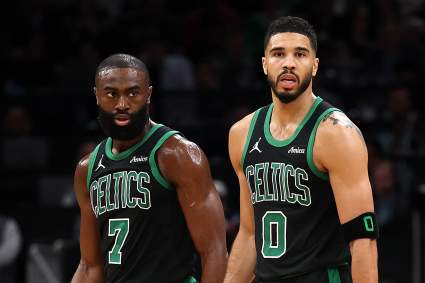
Jaylen Brown called this one of the most fun years of his career despite the outcome. Tatum’s perspective was built on a similar foundation.
The ending was painful. The journey was not.
A 56-win season. And an emotional comeback that challenged old assumptions about Achilles ruptures.
Tatum said he was happy and proud of what he was able to do. Not because of what it meant for the record books, but because of what it might mean for the next player who tears his Achilles and wonders if his career will ever look the same.
That player can look at what Tatum did this season and know the answer.
It can.
Celtics’ Jayson Tatum Drops Powerful Quote After Season-Ending Loss