
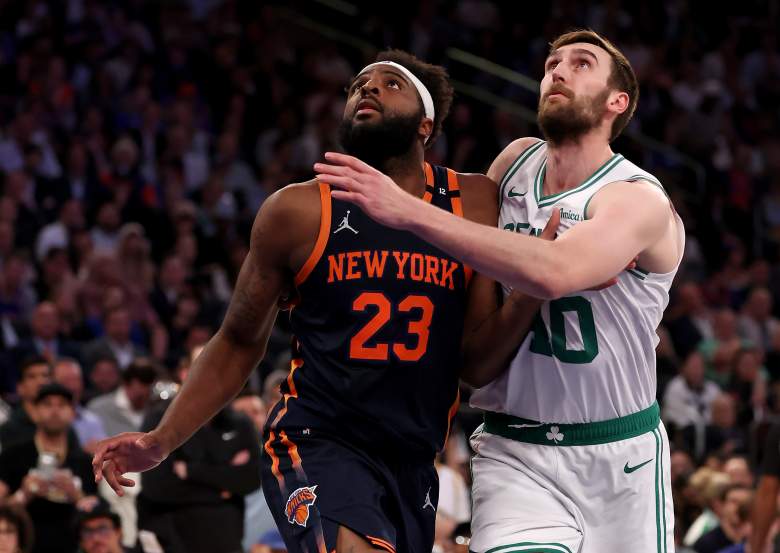
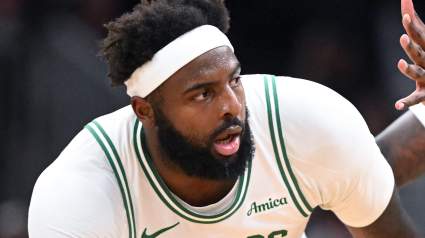
Mitchell Robinson’s first scouting report on Boston had little to do with pick-and-roll coverages or offensive rebounding angles.
He heard the lobster was “A1.”
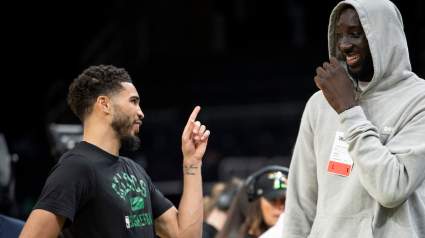
Robinson offered that assessment during a behind-the-scenes look at his first day with the Boston Celtics, mixing some genuine curiosity about his new home with excitement about joining another Eastern Conference contender.
“Boston, one of my favorite places to actually visit,” Robinson said. “I’m just excited to be here.”
The Celtics are considerably more interested in what Robinson can provide around the rim. After watching their frontcourt depth become a concern last season, they committed three years and a reported $47.4 million to a center who helped the New York Knicks win the 2026 NBA championship.
The third season of Robinson’s contract includes a player option.
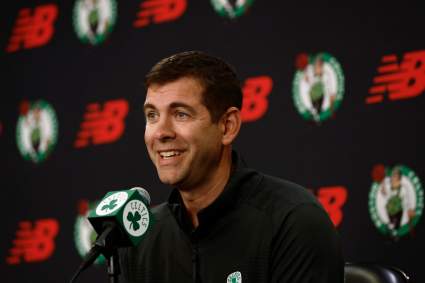
Brad Stevens Explains Mitchell Robinson Signing
Celtics president of basketball operations Brad Stevens believes the addition solidifies a position that lacked proven depth behind Neemias Queta.
Stevens praised Robinson’s championship experience, his meaningful contribution during New York’s postseason run and his history of improving the teams around him.
“He just makes teams better,” Stevens said.
Robinson averaged 5.7 points, 8.8 rebounds and 1.2 blocks in 19.6 minutes over 60 regular-season appearances for New York. Those numbers do not capture his complete value.
The 7-footer is one of the NBA’s most disruptive offensive rebounders, creating extra possessions without requiring designed touches. He also gives coach Joe Mazzulla a traditional rim protector capable of controlling the paint and surviving switches against smaller players.
Robinson averaged 4.8 points and 5.5 rebounds in only 13.9 minutes during the Knicks’ championship run. He grabbed 10 rebounds in 20 minutes during New York’s title-clinching Game 5 victory over the San Antonio Spurs.
That is the version Boston is paying to add: not a featured scorer, but a physical specialist whose work can tilt a playoff possession.
Boston Now Has Competition at Center
Robinson’s arrival does not automatically remove Queta from the starting lineup.
Queta started 75 games last season and averaged 10.2 points, 8.4 rebounds and 1.3 blocks. Boston rewarded his development with a four-year, $56 million extension that begins in 2027-28, demonstrating that the organization still views him as an important long-term piece.
Together, Robinson and Queta give the Celtics two athletic 7-footers with different strengths. Queta offers more offensive mobility and has developed within Mazzulla’s system. Robinson brings superior offensive rebounding, playoff experience and a more imposing interior presence.
The primary concern is availability. Ankle injuries disrupted Robinson’s final years in New York, although his 60 appearances last season represented an encouraging step after two injury-shortened campaigns.
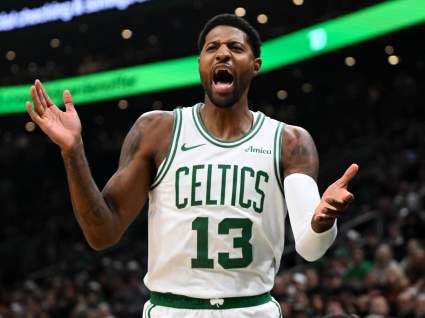
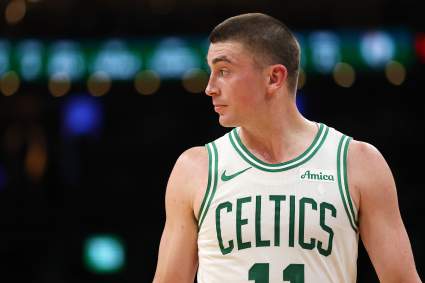
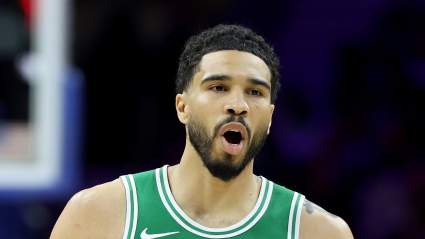
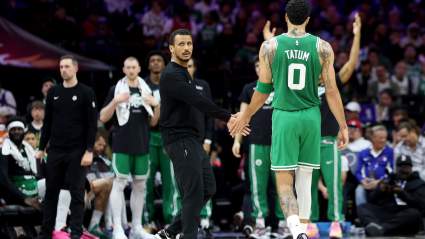
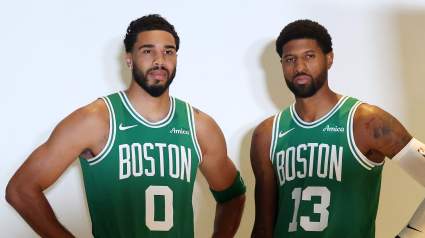
Boston will not need him to carry a heavy offensive burden. With Jayson Tatum, Paul George, Derrick White and Payton Pritchard handling the scoring and creation, Robinson can screen, dive, rebound and defend.
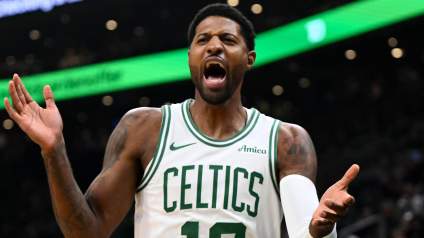
The Celtics have made louder moves this summer, particularly the blockbuster trade that exchanged Jaylen Brown for George and draft capital. Robinson’s signing may prove just as important when postseason games slow down and every rebound becomes a fight.
For now, Robinson is learning his new city, looking for good lobster and preparing to help Boston chase the championship he just won in New York.



Celtics’ Mitchell Robinson Gets Candid After Leaving Knicks