
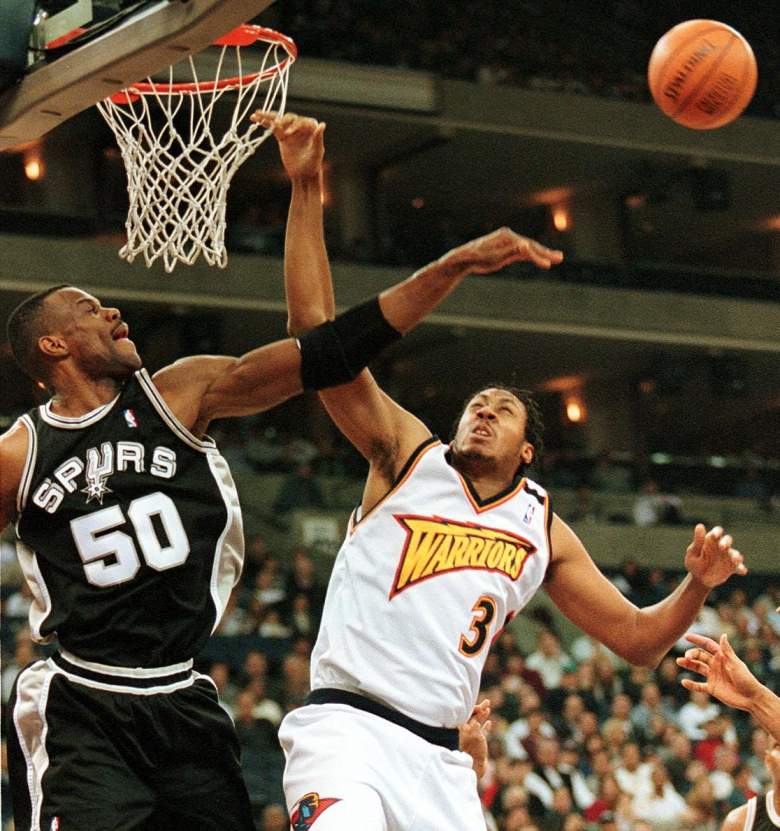
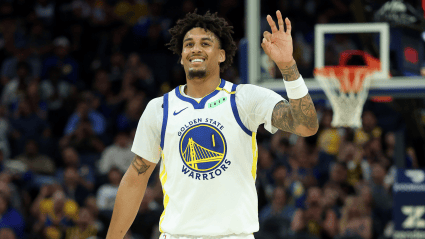
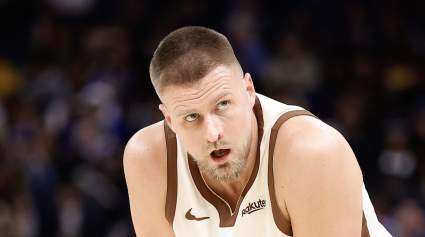
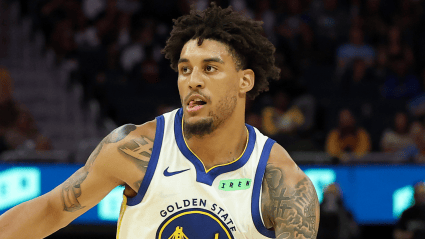
There is such a thing as a strong family resemblance, and then there is the Donyell Marshalls. Or the Donyells Marshall. Whichever it is. Either way; Senior and Junior certainly do look alike.
Brothers, fathers-and-sons, cousins, uncles-and-nephews; all kinds of inter-familial relationships are common among the world of basketball players, because the genetic requirements to play this sport at meaningful levels are very hard to come by. A certain degree of facial symmetry, then, is to be expected. But the Yells take it to another level.
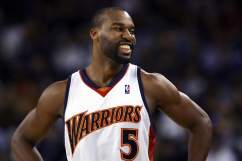
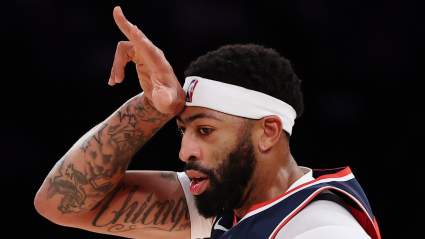
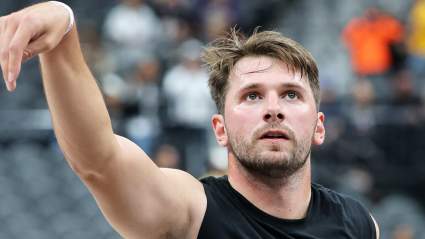
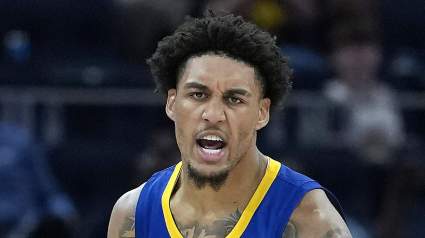
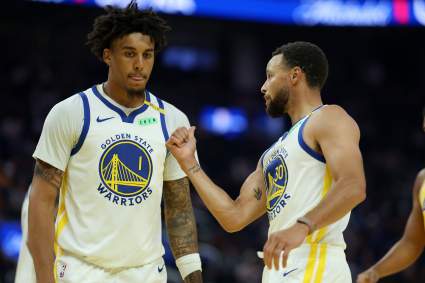
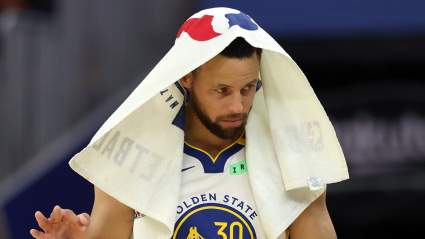
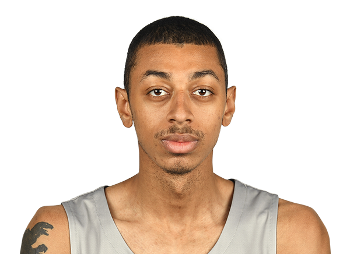
Put photographs of the former Golden State Warriors forward – in his youth, at least – and his name-bearing son side by side, and handing down the name seems to have been almost unnecessary. The likeness is striking.


The Career Of Donyell Marshall Jr
If you have never had cause to look up the basketball career of Donyell Junior before, fear not. It was brief.
Junior played four years at Central Connecticut State between 2016 and 2010, but appeared in only 105 minutes across 39 games in that span, recording totals of 21 points, 22 rebounds, 7 blocks and 7 fouls. His head coach in that span was his similarly-faced father, who was head coach with the Central Connecticut Blue Devils between 2016 and 2021, yet who recorded only a 40-104 record in that time, including 24-66 in Northeast Conference play.
By contrast, Donyell Senior played 15 NBA seasons, after being selected fourth overall by the Minnesota Timberwolves in the 1994 NBA Draft, and was coveted throughout them all. He went on to play for Utah, Chicago, Toronto, Cleveland, Seattle and Philadelphia, in a long and distinguished career that was never elite nor poor.

The Slightly Longer Career Of His Dad
After being traded by the Timberwolves at his first trade deadline in a one-for-one trade for Tom Gugliotta, Marshall spent the rest of his first six seasons with the Golden State Warriors. He played little in his first two full seasons with the Warriors, but broke out as a do-it-all starter in the 1997-98 campaign, averaging 15.4 points, 8.6 rebounds, 2.2 assists, 1.3 steals and 1.0 blocks per game. Nonetheless, still with four years left to run on the nine-year rookie contract he signed (back when such things were still possible), the Warriors traded Marshall to the Utah Jazz the following offseason along with Bill Curley in exchange for Danny Fortson and Adam Keefe. It was the first four-team trade in NBA history. Oddity #1.
In Utah, Marshall had the enviable opportunity of playing alongside Karl Malone and John Stockton, and responded with more consistent production. He averaged 14.8 points and 7.6 rebounds in 2000-01 and 17.7 points and 9.1 rebounds in 2001-02, before leaving as a free agent to sign with the Chicago Bulls. After 16 months with Chicago in 2002, Marshall was traded to the Toronto Raptors in December 2003 as a part of the wider Jalen Rose/Antonio Davis swap, whereafter his outside shooting became a larger part of his game with the Raptors. Indeed, he became a record-holder; on 13th March 2005, Marshall – merely an occasional outside shooter across his first eight seasons – made a then-record 12 three-pointers in a game against the Philadelphia 76ers, tying the NBA single- game record then shared with Kobe Bryant. Oddity #2.
Marshall signed with the Cleveland Cavaliers later that year and spent two and a half seasons with the team, reaching the NBA Finals in 2007, before finishing his career with brief spells in Seattle and his home town of Philadelphia. In all, Marshall appeared in 957 regular-season NBA games, averaging 11.2 points and 6.7 rebounds, and retired after the 2008-09 season, doing so with an exactly even 0.0 net rating – he is one of only 14 players in NBA history to finish with such, and did so having played 14,400 minutes more than the second-most played player on the list. Oddity #3 in a unique NBA career. But not, it would appear, in a unique face.

Former Warriors Star Looks Unnervingly Like His Son