
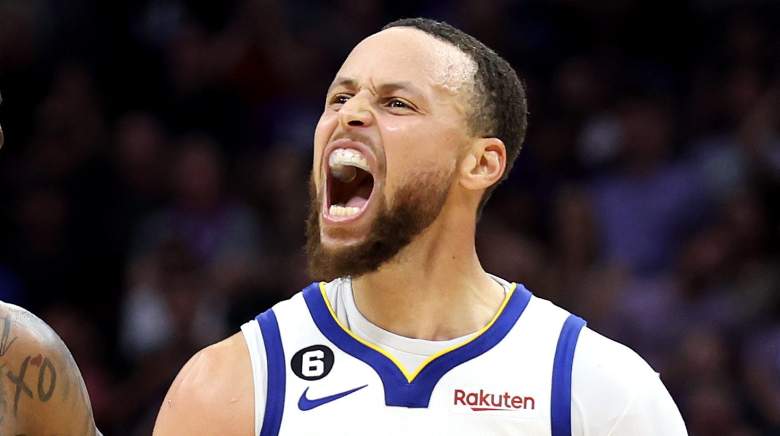
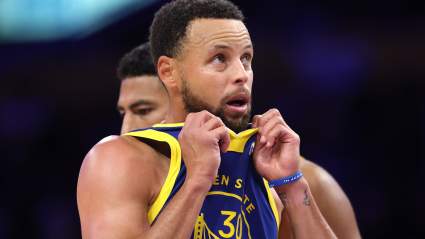
Stephen Curry‘s impact on the Golden State Warriors goes well beyond what shows up in the box score. One of the league’s most influential agents thinks the compensation structure should reflect that. Speaking on the “Game Over” podcast, Rich Paul made the case that Curry deserves more than just a traditional contract for what he’s meant to the franchise.
Rich Paul Makes the Case for Curry’s Ownership Stake
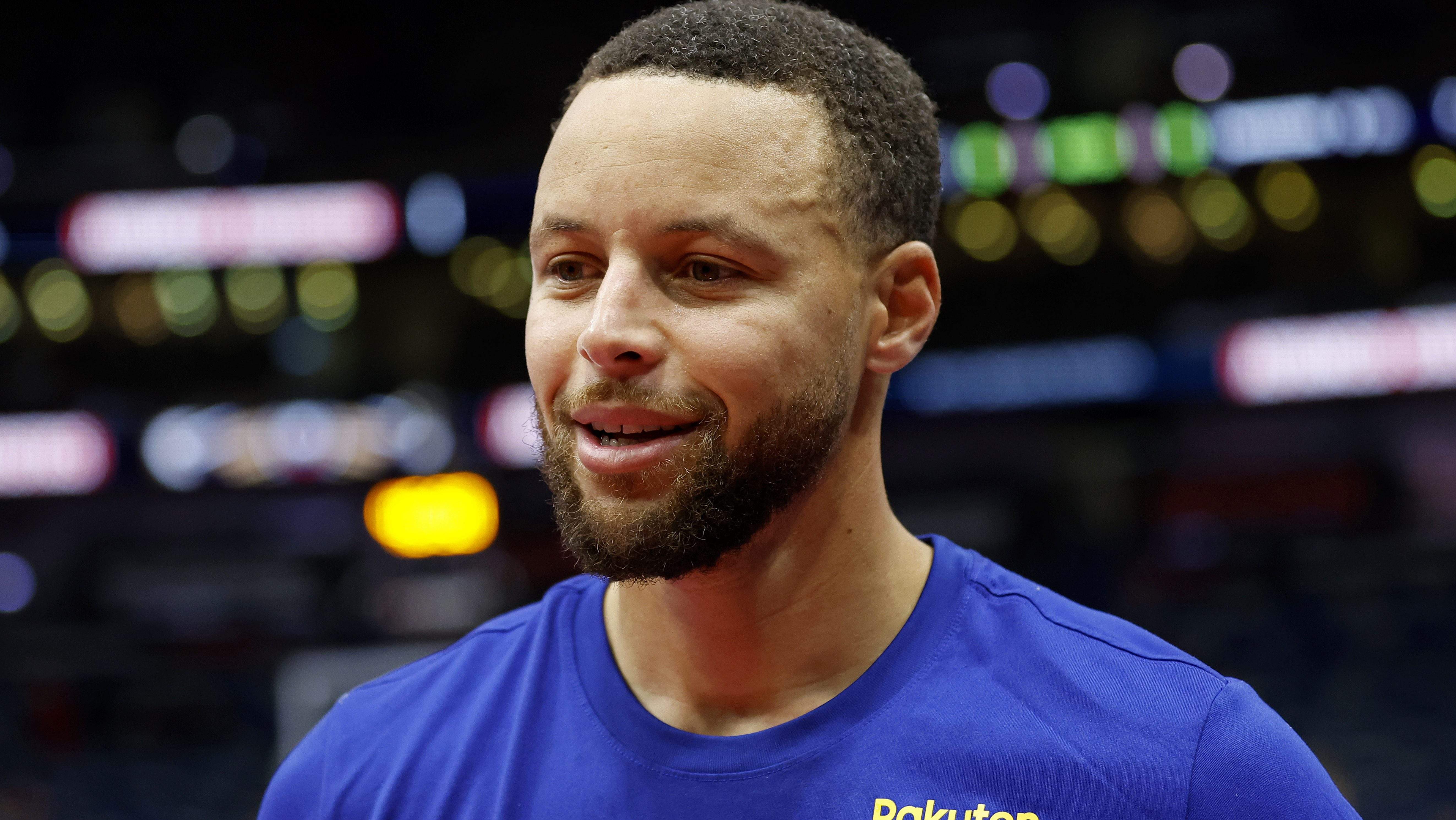
Paul argued that Curry’s situation mirrors what top executives at major companies receive. He pointed out that stock options and profit-sharing are standard tools used to reward people whose work directly grows a company’s value.
“You know, in Fortune 500 or Fortune 100 companies, and you are an executive at a specific level, you get stock and things like that, and that’s able to grow and compound over time… You [players] cannot invest in a team, but they do have a direct correlation to a team’s compounding in terms of value… All players aren’t created equal in this situation. But in someone like Steph’s case, he definitely moves the needle when it pertains to the value of an organization,” Paul said.
Co-host Max Kellerman pushed back slightly, suggesting Curry’s influence has lifted the NBA’s overall brand more than Golden State specifically. Paul didn’t back down from his point. He expanded on everything he believes Curry brings to the organization beyond his on-court production, from his pregame routine to his professionalism and showmanship. He argued that in a corporate setting, someone with that level of impact would receive a full compensation package. That would include a bonus, potential profit share, and vesting stock options, on top of a standard salary.
Paul also drew a comparison to Los Angeles Clippers owner Steve Ballmer. Ballmer built his fortune as Microsoft’s former CEO through stock compensation before eventually using that wealth to purchase an NBA franchise. In Paul’s view, there’s no clear reason a similar structure couldn’t exist for players who generate that kind of value for their own organizations.

Why the Numbers Back Up Paul’s Argument
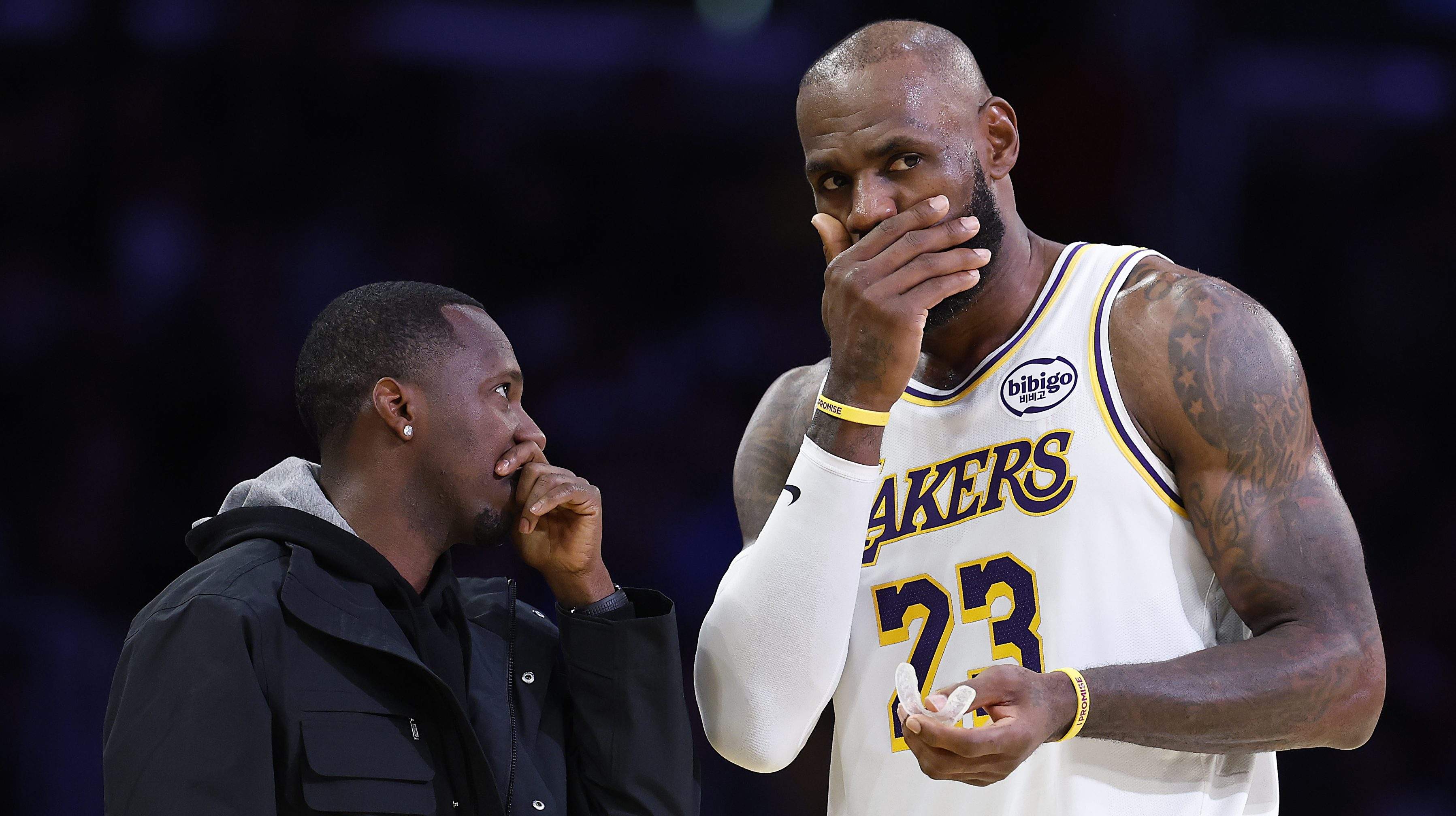
Paul pointed to a broader shift in how modern athletes and their representatives think about compensation. He credited increased financial literacy and access to information for changing how players approach these conversations compared to past generations.
The numbers behind the argument are hard to ignore. When Joe Lacob and Peter Guber purchased the Warriors in 2010, the franchise was valued at roughly $450 million. Nearly 16 years later, that number has climbed to somewhere between $10 and $11 billion. That jump coincides almost entirely with Curry’s rise to superstardom.
Final Word for the Warriors
Curry’s eligibility for a two-year, $136.7 million extension already reflects a franchise willing to pay him at the top of the market. Whether that’s enough given his broader impact is exactly the debate Paul is raising.



LeBron James’ Agent Sends Strong Message About Warriors’ Stephen Curry