
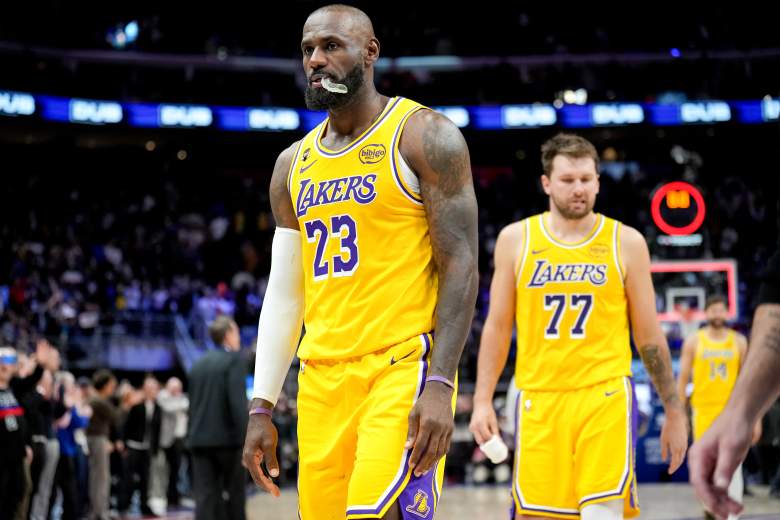
For eight years, every Los Angeles Lakers plan began with LeBron James. This summer, for the first time since 2018, the franchise had to begin somewhere else.
Lakers president of basketball operations Rob Pelinka said the front office entered the offseason with a three-part “thesis” for moving beyond the James era and building a younger roster around Luka Doncic.
The priorities were clear: retain Austin Reaves, acquire a franchise center and surround Doncic with versatile players suited to coach JJ Redick’s offense.
“We wanted to develop a roster of J.J. Redick dribble-pass-shoot players that were younger and add depth to our roster,” Pelinka said during the Lakers’ preseason news conference on Thursday.
Lakers Build Around Luka Doncic
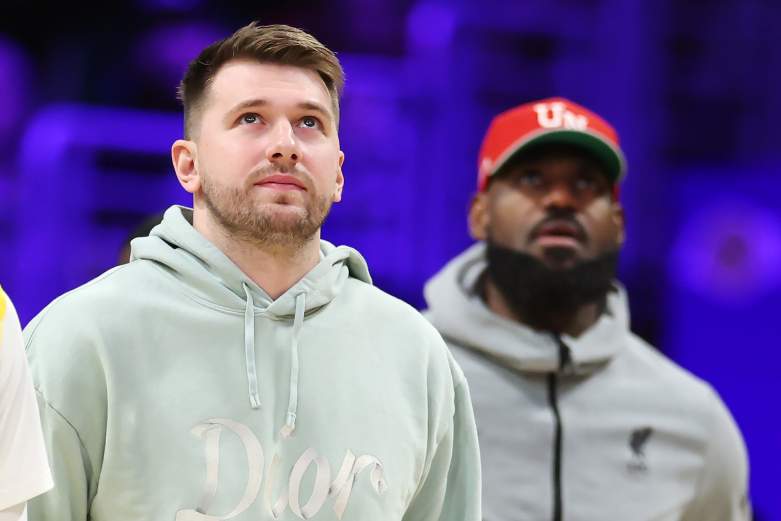
Pelinka believes the Lakers checked all three boxes.
Los Angeles signed Reaves to a four-year, $180 million extension after the guard averaged 23.3 points, 5.5 assists and 4.7 rebounds last season. Reaves is no longer merely a useful supporting piece. He is a proven secondary creator whose shooting and playmaking can relieve some of the burden on Doncic.
The Lakers then made their biggest gamble by acquiring Walker Kessler from the Utah Jazz and signing the 7-foot-2 center to a four-year, $130 million contract. They surrendered two unprotected first-round picks and two pick swaps, a considerable price for a player they expect to anchor the defense and become Doncic’s primary lob threat.
Los Angeles also added Quentin Grimes, Collin Sexton and Sandro Mamukelashvili as part of a spending spree designed to improve the roster’s shooting, ball movement and lineup flexibility.
The result, Pelinka said, is a team with an average age of approximately 26 or 27 — much closer to Doncic’s timeline than the veteran-heavy rosters that defined the final years of James’ tenure.
“That lines up so perfectly with Luka and building a team around Luka Doncic,” Pelinka said.
Pelinka Addresses LeBron James’ Departure
James’ decision to join the Philadelphia 76ers formally closed one of the most consequential chapters in Lakers history. He delivered the franchise’s 17th championship in 2020, broke the NBA’s career scoring record while wearing purple and gold and remained an All-Star through his final season in Los Angeles.
Pelinka offered no suggestion that the relationship ended bitterly.
“We’re grateful for the LeBron era,” he said. “The communications with him this offseason were held diplomatically and professionally and honestly.”
Pelinka described James’ departure as amicable and graceful. Yet the Lakers’ offseason choices also revealed how decisively they were prepared to move forward.
Their new blueprint is not built around collecting aging stars. It emphasizes younger legs, multiple decision-makers and a center capable of covering mistakes behind Doncic.
Whether that thesis produces another championship is the harder question. Kessler must justify the enormous investment, and the Lakers’ new supporting cast must prove it can defend at a postseason level.
But the direction is no longer ambiguous. The Lakers thanked James for the era he created, then handed Doncic the keys to the next one.
Lakers Reveal Three-Part Plan After LeBron James’ Departure