
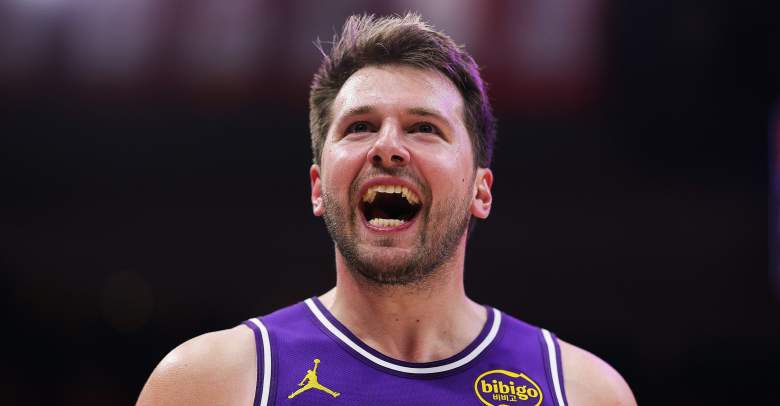
The Los Angeles Lakers are winning without Luka Doncic. That much was established in Game 1 against the Houston Rockets, where LeBron James and Luke Kennard stepped up to deliver a 107-98 victory without their primary offensive engine. The question is not whether the Lakers can survive in the short term. It is when Doncic comes back, and what version of him they get when he does.
As of April 20, there is still no firm timeline on his return.
Where Doncic Stands Right Now
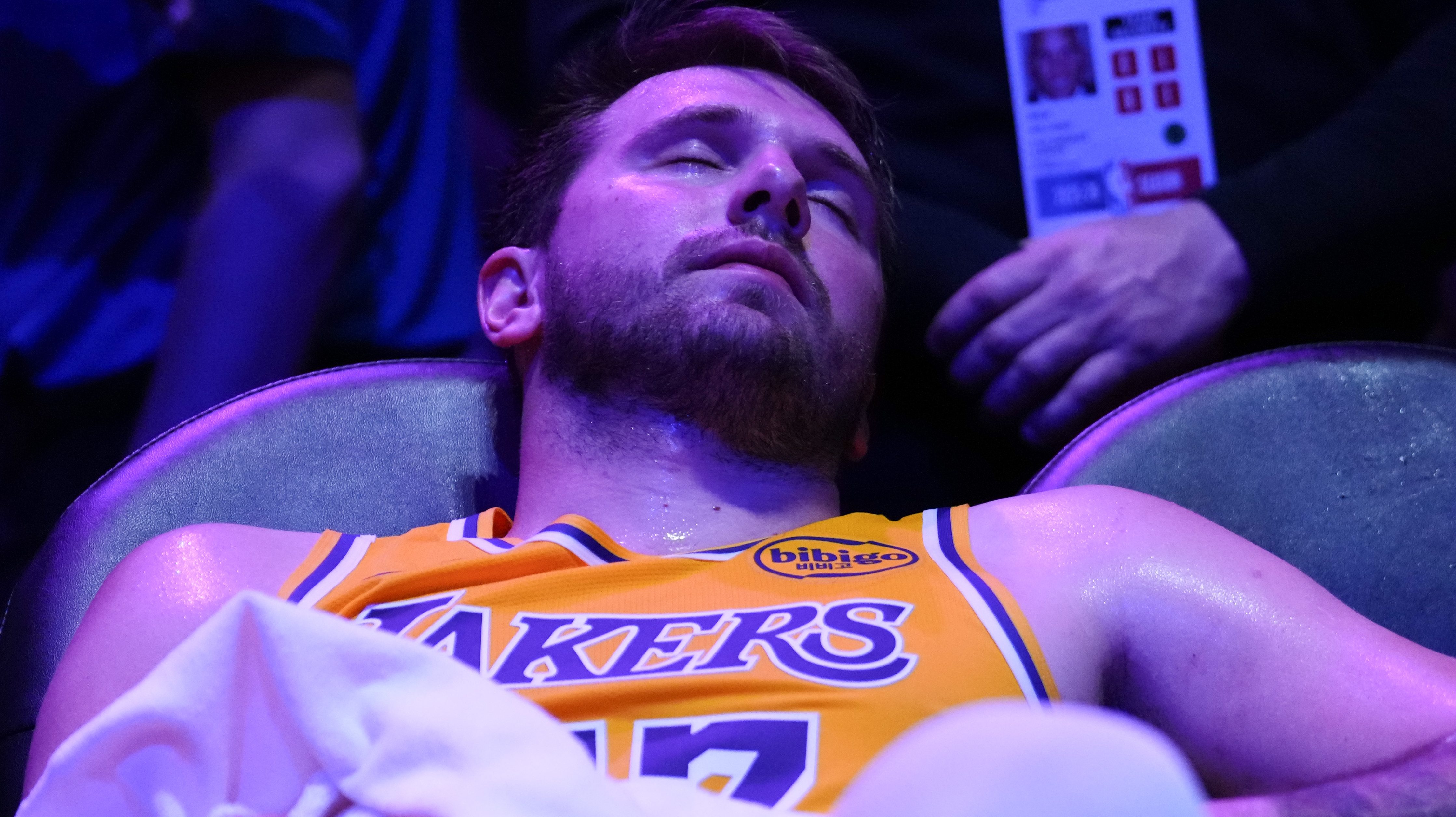
Doncic suffered a Grade 2 left hamstring strain on April 2, exiting a game against the Oklahoma City Thunder in visible discomfort. An MRI confirmed a partial tear of muscle fibers. He has not resumed running as of Sunday, and Lakers coach JJ Redick has described him as out indefinitely with no expectation of availability during the opening round against Houston.
After the injury, Doncic traveled to Spain to seek advanced regenerative treatment before returning to Los Angeles to continue his rehabilitation. Redick noted he was in good spirits upon landing, though on-court activity remains limited.
Reports suggest a realistic return target around May 1 at the earliest, roughly four weeks post-injury. That timeline aligns with the typical recovery window for a Grade 2 strain, which generally requires four to six weeks depending on how the tissue responds to treatment. Whether the Lakers are still playing at that point depends on how the series against Houston unfolds.

What Doncic’s Return Would Look Like
The more pressing question is not just when Doncic returns, but how effective he will be when he does. Hamstring injuries are notoriously difficult to manage in a playoff setting. The explosive movements central to his game, the step-back three, the drive to the rim, the quick changes of pace that manipulate defenses, all place significant strain on the hamstring. A player returning from a partial tear needs time to rebuild confidence in the injury before those movements feel natural again.
History across the league shows players returning from similar strains often need several games to rediscover their rhythm and explosiveness. Re-injury risk is elevated in the early stages of a return, particularly when the demands of playoff basketball accelerate the physical toll.
Doncic has managed injuries before and found ways to be effective without full explosiveness, relying on his basketball IQ and feel for the game to compensate. He averaged 33.5 points, 8.3 assists, and 7.7 rebounds this season. Even a reduced version of that production changes the Lakers entirely.
What It Means for the Series
Austin Reaves is also sidelined with an oblique injury, leaving the Lakers significantly shorthanded through at least the early stages of the series. James has shouldered the offensive load admirably, and the supporting cast delivered in Game 1. Sustaining that over a full series against a Rockets team that could welcome Kevin Durant back for Game 2 is a different challenge entirely.
If the Lakers advance past Houston, a healthier Doncic waiting in the wings for the second round becomes one of the more compelling storylines in the Western Conference bracket. Conservative management that targets a second-round return would protect against re-injury while preserving the Lakers’ championship window.
Final Word for the Lakers
The Lakers are proving they can compete without Doncic in the short term. The ceiling of this team with him healthy and back in the lineup is a different conversation.
For now, patience is the plan. The hamstring will set the timeline, not the calendar.
Luka Doncic Injury Update: What Can Lakers Expect When He Returns?