

The Chicago Bears are heading into the regular season finale with playoff football secured, but also with fresh doubts about whether their defense can hold up against elite passing attacks.
Those concerns were amplified Sunday, when Brock Purdy carved up Chicago’s secondary for 303 yards and three passing touchdowns, adding two more scores on the ground. The Bears’ secondary has lived on the edge all season, with takeaways masking issues that finally caught up to them against San Francisco.
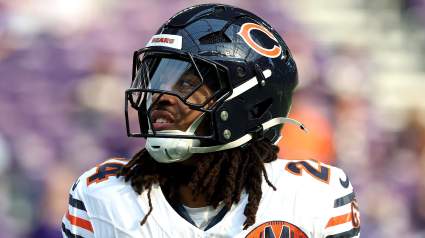
Nahshon Wright has been one of the defense’s biggest surprises, emerging as a ballhawk with his five interceptions (tied for second in the NFL). But against the 49ers, Wright was exposed, surrendering six catches for a season high 101 yards and a 118.8 passer rating.
Then, on Tuesday, the Dallas Cowboys waived Trevon Diggs, a former All-Pro cornerback, just days before their own season finale. For the Bears, the timing and circumstances suddenly make the decision feel like a no-brainer.
Why the Bears Make Sense

On paper, the fit is obvious. Chicago just allowed a season-high passing total, and while the defense has thrived off takeaways, it has struggled to consistently limit explosive plays. That’s the exact area where a proven ballhawk (even one no longer at his peak) could provide value.
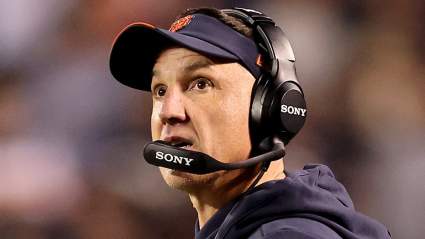
There’s also familiarity. The Bears’ defensive backs coach Al Harris spent years working with Trevon Diggs in Dallas. He knows both his ceiling and his limitations. Head coach Ben Johnson recently highlighted that influence when praising the secondary’s turnover production.
“He’s done a phenomenal job,” Johnson said of Harris. “He’s made a huge impact on our players, he’s made a huge impact on our defense, and our team. Everywhere he’s been, his DBs have been ballhawks. In Dallas, for a number of years, it was Diggs and it was [DaRon] Bland, they’re coming away with interceptions. Well, that’s carried over here.”
That connection matters even more this late in the season. Any player added now has limited time to acclimate, so it lowers the barrier to entry in a way few teams can match.
Why Dallas Moved On, and Why Chicago Shouldn’t Overthink It

Dallas’ decision to move on from Trevon Diggs comes with plenty of context. The 27 year old still has term left on a massive five year, $97 million extension signed in 2023. But with no guaranteed money remaining beyond this season, the Cowboys opted to get ahead of what had become an increasingly tense situation.
The Cowboys’ decision wasn’t just about performance. Cause after suffering a torn ACL in 2023, Diggs has flashed his old form but hasn’t consistently sustained it. But for a playoff team, that risk looks different.
This is a moment contenders don’t usually get: an experienced, accomplished defender becoming available at the exact moment a weakness is exposed. No one is pretending this move guarantees anything, sure. But with one shot at this run, the decision feels simple.
Make the call. Take the flyer. See what Trevon Diggs has left when it matters most.
Chicago Bears Face No-Brainer Decision After All-Pro CB Hits Waivers