
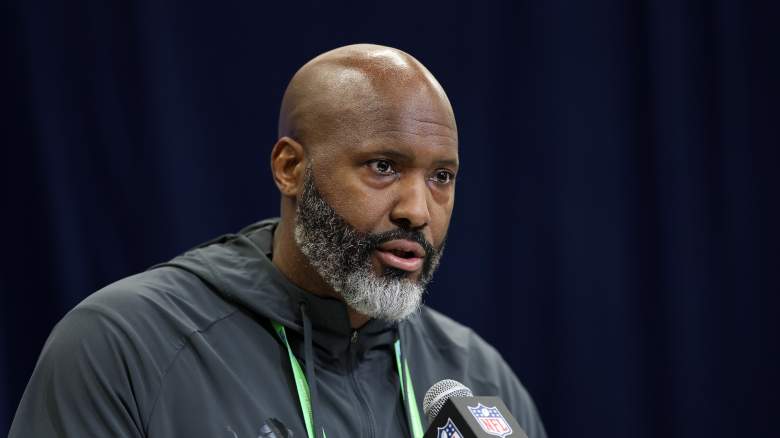
Detroit Lions general Brad Holmes is under fire early this season for how he has managed the team’s secondary this year. With the benefit of hindsight, Holmes should have been more aggressive in replacing the team’s injured safeties. The GM also could have added insurance at cornerback with the Terrion Arnold offseason controversy.
But in addition to the heat Holmes is facing entering Week 3, the general manager also received a pretty loud warning from A to Z Sports’ Mike Payton — don’t make a blockbuster trade.
“I get it. I know what Lions fans want more than anything. They want that trade that gets you out of bed in the morning, where a superstar shows up and everyone loses their minds and runs out to buy a jersey,” wrote Payton. “You want that so bad that I think it blinds you a little bit.
“Going back to the 2017 season, there have been 56 trades in which a team sent a first-round pick, a second-round pick, or both for a starting-caliber player. Out of those 56, only four teams won a Super Bowl with the player they traded for. Four teams.”
It actually took one of those four teams Payton referenced three blockbuster trades to win one Super Bowl. That was the Los Angeles Rams, who acquired quarterback Matthew Stafford, edge rusher Von Miller and cornerback Jalen Ramsey in blockbuster deals.
Since 2017, the other teams who made major trades and then won the Super Bowl with that player were the Kansas City Chiefs with Frank Clark, the Philadelphia Eagles with A.J. Brown, and the Seattle Seahawks with Leonard Williams.
Payton dove through the league’s recent trade history in light of the possibility the Lions acquire Pittsburgh Steelers cornerback Joey Porter Jr. There are mixed reports about what Porter might cost in a trade, but a lot of analysts see the 26-year-old worth a first or second-round choice.
Why the Lions Shouldn’t Give Up Expensive Draft Capital for Joey Porter Jr.
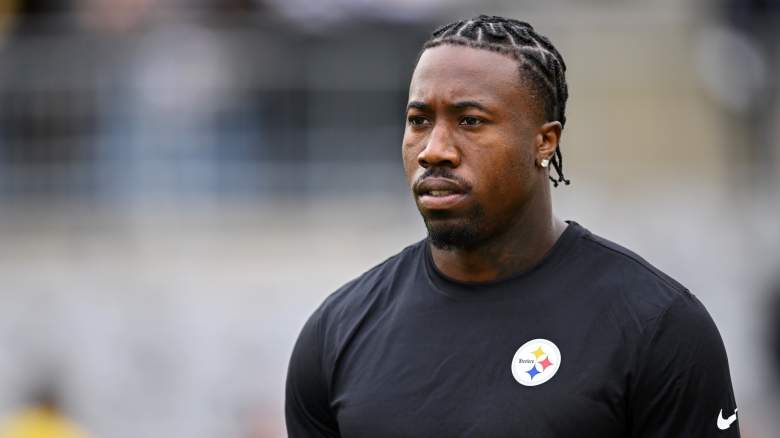
The crux of Payton’s argument really came down to one fact — blockbuster trades often don’t end with Super Bowl titles.
In a lot of cases, teams are hopeful they are one player away, but they really aren’t. In other instances, they badly misjudge the player’s value they are receiving in return for the expensive draft capital.
“Some of these trades are downright embarrassing in hindsight,” Payton added. The Dolphins traded a second-round pick for Josh Rosen. Someone traded premium picks for Dee Ford. Jimmy Garoppolo cost a team a second-rounder.
“The hit rate on these moves is abysmal, and the teams you think are doing it successfully are not doing it nearly as much as you believe.”
There’s certainly a risk to trading away a first or second-round pick. For the Lions, Holmes might only want to mortgage the future if Detroit’s defense proves it is a top cornerback away from becoming a 2026 Super Bowl favorite.
It’s only been two games. The unit still has time to improve. But the Lions appear to have too many holes in the secondary for Porter to fix them on his own this season.
How to Measure the Success of an NFL Trade
At the end of the day, I agree with Payton that Holmes should give pause to pushing all his chips to the center of the table for Porter. Porter wouldn’t only cost a first or second-round choice, but then the Lions would have to sign him to a deal worth in excess of $30 million per season.
But I am going to push back on Payton’s blockbuster trades don’t work narrative a little.
Over the past 10 years, four teams made blockbuster trades and then won the Super Bowl. That’s not a lot, but keep in mind, there’s obviously only 10 championships in a decade. In 2019, eight teams made a blockbuster trade; only one of them got the chance to lift the Lombardi Trophy.
Just because it didn’t yield a championship doesn’t mean a trade wasn’t successful. In 2019, the Steelers acquired safety Minkah Fitzpatrick for a first-rounder. Fitzpatrick became a two-time All-Pro in Pittsburgh; it’s not his fault the team probably held onto Ben Roethlisberger too long and then couldn’t replace him properly.
In 2020, the Buffalo Bills acquired Stefon Diggs for a second-rounder. Diggs didn’t help the Bills win the Super Bowl or even an AFC championship. But with Diggs, Josh Allen ascended into one of the best quarterbacks in the league.
While the ultimate goal is to win the Super Bowl, the success of a trade probably shouldn’t be measured only by that factor. If so, then there are a lot of failed trades and draft picks, for that matter.
Again, that’s not to say the Lions should offer a first or second-rounder for Porter. The cornerback doesn’t appear to be the final piece of Detroit’s 2026 puzzle.
But Porter could certainly help Detroit’s defense. Whether they cost first or second-round picks or lower draft selections, it would be wise for Holmes to continue hunting for secondary upgrades.
Lions’ Brad Holmes Gets Warning on Blockbuster Joey Porter Jr. NFL Trade