

When the New England Patriots took the field wearing white warmup shirts that read “T-Strong,” the moment carried intention, not spectacle. The shirts reflected the organization’s public support for defensive coordinator Terrell Williams, who stepped away early in the 2025 season after doctors diagnosed him with prostate cancer.
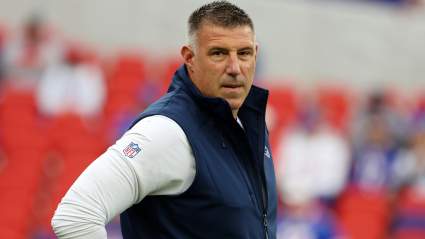
Head coach Mike Vrabel drove that message from the top. He didn’t treat Williams’ absence as a football inconvenience. He treated it as a human priority. From the moment Vrabel shared the diagnosis publicly, he made one thing clear: Williams still belonged to the team.
That decision shaped how the Patriots responded. Instead of moving on quietly, the organization leaned in, choosing visibility, empathy, and unity.
What “T-Strong” Means to Mike Vrabel
“T-Strong” follows a familiar Boston tradition of rallying around people during moments of hardship. Inside the Patriots’ locker room, the phrase became a daily reminder that football matters less than the people who make it work.
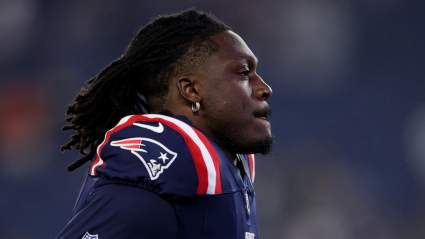
Players wore the shirts during warmups before a Week 4 game against the Carolina Panthers, and the gesture cut across the roster. Quarterback Drake Maye, the defensive leaders, and the depth players all sent the same message: the team stood with Williams, even as he focused on his health.
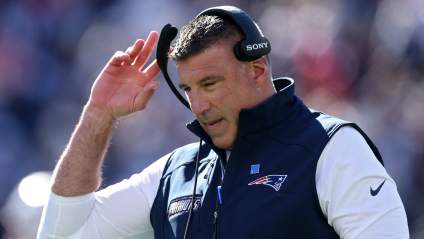
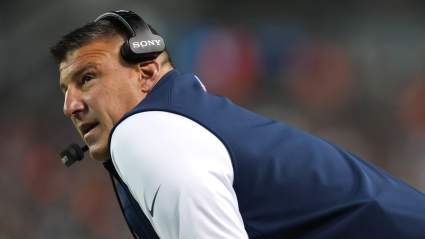
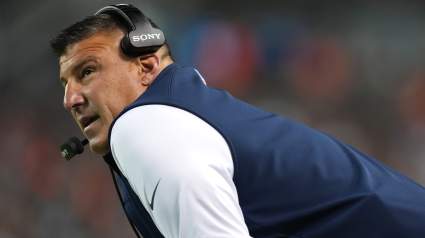
Vrabel reinforced that stance by adding a “T-Strong” patch to his coaching vest. He didn’t hide it. Cameras caught the patch during press conferences, on the sideline, and throughout nationally televised games. Vrabel wanted people to see it. He wanted Williams’ fight acknowledged every time the Patriots took the spotlight.
How Visibility Became Part of the Patriots’ Culture
Vrabel often talks about accountability and toughness, but he chose action over words in this moment. By wearing the patch, he showed players how leaders publicly and consistently support their people.
That approach mirrored Williams’ continued involvement with the team. Even while undergoing treatment, Williams attended defensive meetings when his health allowed. He addressed the team ahead of playoff games and traveled with New England during the postseason. Inside linebackers coach Zak Kuhr handled defensive play-calling duties, but Williams never lost his place in the building.
Vrabel kept that door open on purpose. He wanted Williams to contribute whenever possible and remain connected to the players he helped shape.
Williams later explained how doctors discovered his cancer after a severe stomach illness sent him to urgent care. That unexpected moment led to further testing, which revealed an aggressive form of prostate cancer. Early detection changed everything.
By the end of the regular season, Williams shared the news everyone hoped to hear: doctors cleared him of cancer.
Still, Vrabel hasn’t removed the patch from his vest.
He keeps it there because “T-Strong” never represented a single week, game, or diagnosis. It represents how the Patriots respond when adversity hits off the field. Vrabel chose to lead with loyalty and empathy, and the team followed his example.
In a league that often measures success by wins, contracts, and depth charts, Vrabel’s shirt and vest tell a different story. They show that culture doesn’t start on Sundays. It starts with how leaders treat their people when football stops mattering.




Why Does Mike Vrabel Wear a T Strong Patch?