
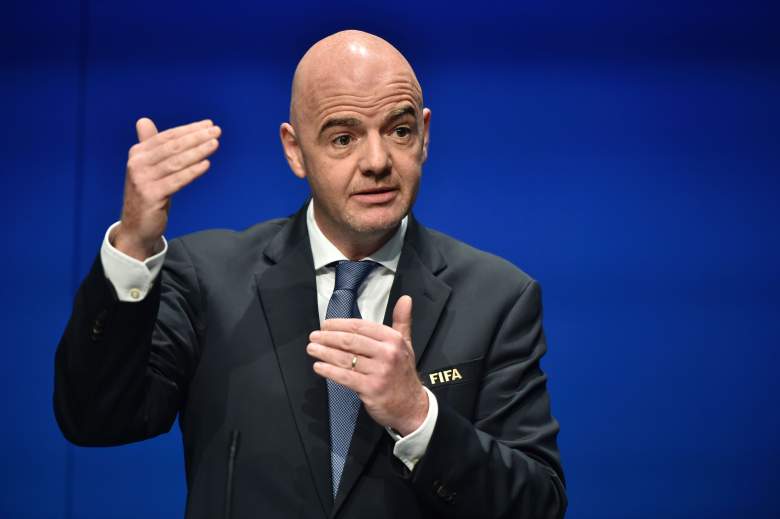
With the FIFA World Cup 2026 Final right around the corner, the resounding commercial success of this edition has catapulted Gianni Infantino into the spotlight around the globe.
His distinctive presence at just about every match in the tourney has been just as noticeable as the stars on the pitch. And because of the success of this year’s event, Mr. Infantino may get carte blanche to move with the next step of his brainchild.
This year’s tournament featured a 48-team field for the first time in FIFA World Cup history. The expanded number of teams faced plenty of scrutiny, especially from purists, claiming that it would water down the action.
But as one notable expert pointed out, moving to an even bigger field of teams seems “inevitable”.
As public relations heavyweight Doug Eldridge noted in a conversation with Covers.com, the expanded field does little to help boost the competitiveness of the tourney.
“Purists will say that it dilutes, or waters down, the purity and exclusivity of earning a berth by expanding the invitation to marginal teams that would not otherwise qualify. In a vacuum, that is correct.”
But that’s not going to stop Gianni Infantino from moving forward with his plans. It seems that there will be no stopping a 64-team field for the 2030 edition.
“Expansion is inevitable and here’s why: everyone wins.”
Indeed, the notoriety that the World Cup gets every time it comes around is a win-win for all those involved. In particular, expanding the field allows other countries and fanbases to suddenly become a part of this global event.
“The game itself will receive not just geographical, but generational expansion by virtue of including erstwhile countries that would have previously been left out.”
Eldridge, nonetheless, points out another major benefit.
Fans Would Be Real Winners of Expanded Field
While there’s no question that sponsors, broadcasters, and FIFA itself stand to benefit from Gianni Infantino’s plan, the real winners would be the fans, Eldridge declared.
“Fans… they would be the real winners. Unlike the Super Bowl, the Tour, or Wimbledon, fans have to wait four years for the next World Cup. Extending that period by two weeks and 16 countries does little to harm the game and a lot to benefit virtually every key stakeholder at the table.”
Indeed, the fact that the FIFA World Cup happens every four years, expanding the timeframe and number of teams, does little harm to boost the sport’s visibility.
What to read next:
Gianni Infantino Has Major Responsibility on his Shoulders
Gianni Infantino isn’t just a manager tasked with keeping the trains running on time. His job is to lead global football to another level, potentially growing the game worldwide. While it might seem silly to think that the world’s most popular spot has room to grow, Eldridge drilled down on the fact that there is plenty of room to expand.
The US market is a good example. The world’s biggest consumer market does not have football among its most popular sporting events.
But that’s something that could change following the FIFA World Cup 2026. That’s Gianni Infantino’s mission, and likely the biggest driving force behind moving to an even bigger event in 2030.
Talk of changes for the next tournament, the World Cup’s 100th anniversary, should pick up once a new champion is crowned this weekend. But make no mistake. The dust won’t have even settled before plans for the next event gain momentum.
Gianni Infantino Leading ‘Inevitable’ World Cup Expansion, Expert