
Five years after the Saudi Public Investment Fund (PIF) took control of Newcastle United, the script has changed. The 2021 takeover sparked talk of building a Premier League powerhouse on the scale of Manchester City — unlimited resources, star signings every window, instant contention for the top four. That version of the project isn’t the one playing out at St James’ Park anymore.
Newcastle Sell Off Their Core for Over £250 Million
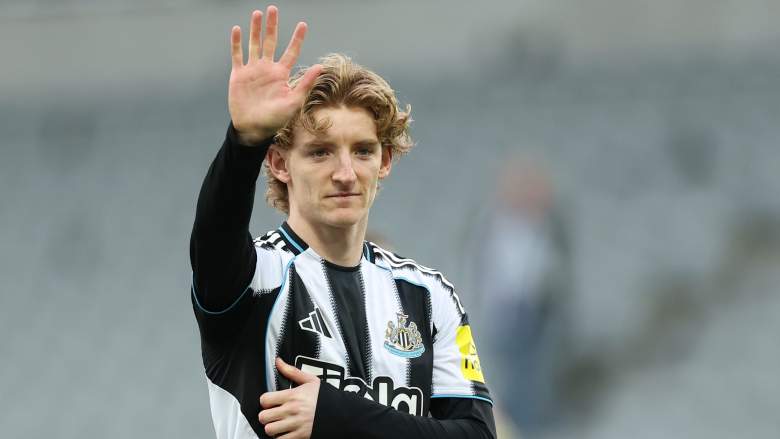
This summer has sent a clear message. Alexander Isak left for Liverpool last year, and this time around, Newcastle sold off three more of their most important players in quick succession: Anthony Gordon to Barcelona for roughly £68 million, Sandro Tonali to Tottenham for around £92.5 million, and captain Bruno Guimarães to Arsenal for about £75 million — more than £250 million recouped in a matter of weeks. In their place, Newcastle have leaned hard into younger, cheaper talent with resale value rather than replacing star for star. Club executives now talk openly about financial sustainability, a “trading model,” and living within Premier League and UEFA cost rules rather than leaning on constant owner cash injections.
A New Manager Arrives as the Midfield Gets Rebuilt
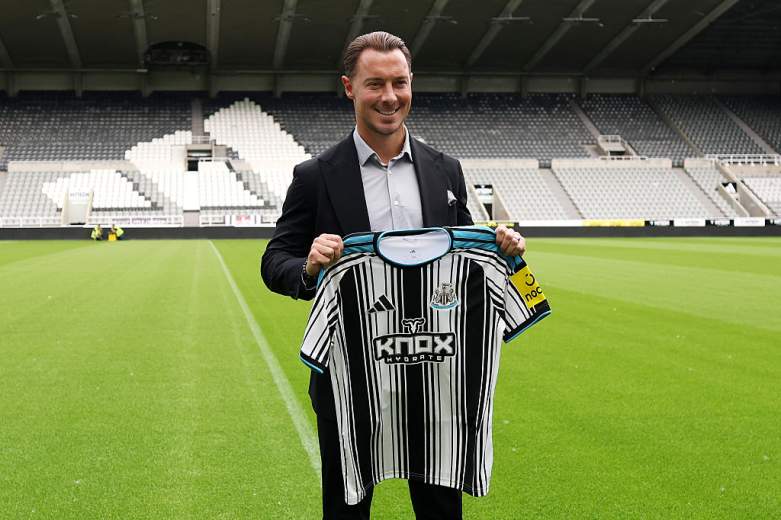
The shake-up isn’t limited to the transfer ledger. Eddie Howe, the manager who delivered Newcastle’s first major trophy in 70 years and two Champions League qualifications, stepped down this summer after nearly five seasons. Matthias Jaissle has taken over, arriving from Saudi side Al Ahli with back-to-back AFC Champions League titles on his résumé and a reputation for modern, attacking coaching. To help fill the void left by Tonali and Guimarães, Newcastle moved to sign Manchester City midfielder Nico González in a deal worth roughly £52 million — proof the club can still land a quality Premier League-tested player when it wants to, even if the approach now leans on reinvested transfer income rather than pure owner spending.
A Familiar Pattern for PIF-Backed Projects
This kind of recalibration isn’t unique to Newcastle. The same PIF that once poured billions into building LIV Golf from scratch has pulled back funding there too, canceling tournaments and cutting staff as the league searches for outside investment. The parallel isn’t exact, but it’s telling: even the deepest-pocketed owners eventually start prioritizing returns and long-term strategy over open-ended spending.
What a More Sustainable Newcastle Actually Looks Like
None of this means abandonment. PIF remains the majority owner, still values the club at around £2 billion, and continues to approve infrastructure and commercial growth plans. But the tone has clearly shifted from aggressive expansion to measured management. In the short term, expect a transitional season — losing that much experience and creativity at once is going to show up in results, and a return to top-four contention looks unlikely in 2026-27. A top-half finish is realistic if Jaissle settles the squad and the new signings deliver. Longer term, a well-run trading model and rising commercial revenue could still push Newcastle back into regular European contention, just on a longer timeline and a lower ceiling than the 2021 hype promised.
The richest owners in football still own Newcastle. Their ambitions, though, look a lot more ordinary — and a lot more sustainable — than anyone expected five years ago. For a club that spent years stuck under previous ownership, ordinary progress would still be real progress. Whether a fanbase raised on superclub dreams is ready to embrace that is a different question entirely.
Newcastle Have Saudi Riches, But a Very Different Kind of Ambition Now