
One of the biggest concerns in Major League Baseball this upcoming winter is a potential lockout, as the Collective Bargaining Agreement (CBA) is set to expire after the 2026 season concludes, and many MLB fans and analysts fear that the players (MLBPA) and Owners will have a very hard time agreeing to a new CBA, which may cause a lockout.
The Athletic’s Evan Drellich revealed some of the initial proposals made by the MLBPA:
“News: The MLBPA today proposed a minimum salary of $1.5 million starting in 2027 in their opening economic proposal to owners, along with significant increases to revenue sharing. Some players would reach free agency after 5 years rather than 6”
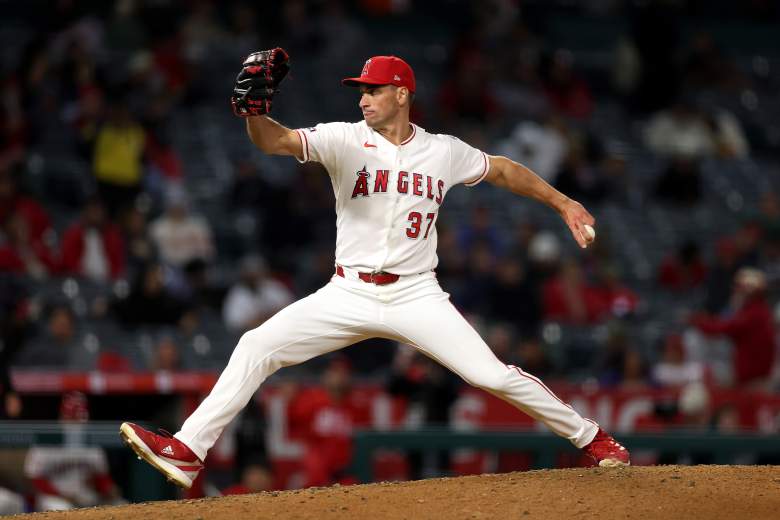
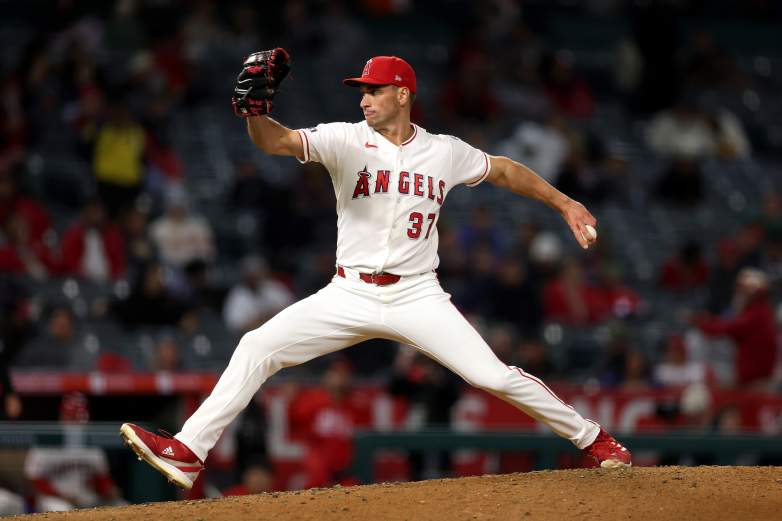
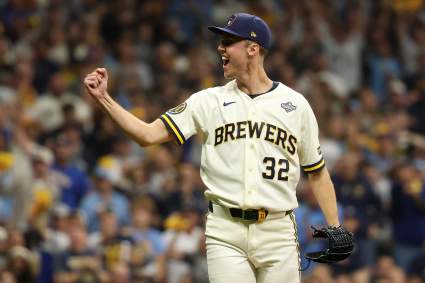
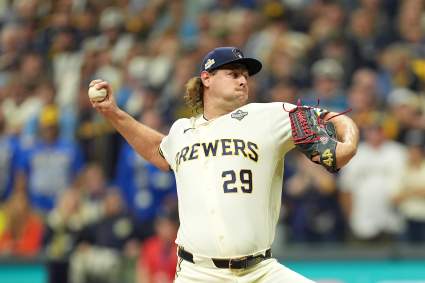
The executive director of the MLB Players Association is Bruce Meyer, who took over for Tony Clark back in February. All 30 MLB teams have a player representative, and Brent Suter serves as the prominent player representative on the executive sub-committee of the MLBPA.
More MLB on Heavy: Boston Red Sox Legend Sends Honest Message to Yankees Fan Base
Details of MLBPA CBA Initial Proposals
MLBTradeRumors.com’s Darragh McDonald was quick to respond to Drellich’s news, and gave some insight on the MLBPA’s proposals:
“As expected, the union’s proposals involve improved outcomes for players. The proposal also has a heavy focus on the revenue-sharing system, as the players are hoping to improve the economic imbalances of the game without the implementation of a salary cap. The league will counter with their proposal tomorrow.”
Here are some of the main things that the MLBPA has proposed in its initial proposals:
- Significant increases to 40-man minimums, including a Major League minimum salary of $1.5 million beginning in 2027.
- Expansion of salary arbitration eligibility
- Enhanced compensation anf contract guarantees for players in salary arbitration
- Expansion of rules aimed at combating service time manipulation
- Elimination of the qualifying offer (RIP) as well as the penalties for Clubs that sign free agents
- Increased benefits for lower revenue Clubs who lose players to free agency
- Qualified free agency for players with five or more years of service who have reached age 30
- “Luxury Tax” threshold increases and removal of non-monetary penalties
- A new “Competitive Integrity Tax” applying to Clubs that fail to meet minimum payroll benchmarks
- Expanded draft lottery to further disincentivize tanking.
“Players across the league are engaged and involved,” said Brent Suter. “We’re committed to leaving our game better for every generation of player that follows us onto the field– just like the players who came before us did.”
A big development of these initial proposals is that there’s no salary cap, which is no surprise coming from the players’ side of things. The current CBA will expire on Dec. 1.
More MLB on Heavy: Wild Braves-Tigers Trade Idea Lands Tarik Skubal in Atlanta for Top 2 Prospects
What Does All This Even Mean?
For the average MLB fan, the CBA discussions can be a lot to digest, but let me break it down in a way easier to understand. First off, the owners aren’t going to agree (or are at least going to push back heavily) with just about every one of these points, because all of them benefit the players tremendously.
The biggest points are the fact that the players want a minimum salary for being on a 40-man roster, which helps the fringe MLB-Minor league players who get recalled and optioned frequently.
The MLBPA also wants Clubs that aren’t able to compete with the high spenders in MLB free agency to receive some sort of compensation or benefit for not being able to do so. They also want MLB free agency to come quicker for older players who are entering their 30s.
Lastly, one of the big points is service time manipulation, which is when a Major League Baseball team will option one of their younger players at some point in the season so that their service time doesn’t increase while they are essentially playing meaningless games. The MLBPA wants this to be implemented for the same reason as the free agency point above^, so that players can earn their respective ‘lucrative contracts’ earlier in their career. The poster child for this rule proposal is Tarik Skubal, who has somehow yet to become eligible for MLB free agency.
Here’s more of what Darragh McDonald wrote, which highlights some of the financials behind the new proposals and their impact on the players.
“Many of the details involve the adjusting of measures already in place, in a pro-player direction. For instance, the union proposes raising the minimum salary to $1.5MM, almost double this year’s $780K minimum. They also propose expanding the $50MM pre-arbitration bonus pool to $180MM. The Super Two designation that currently goes to 22% of players between two and three years of service would jump to a 44% cutoff. The minimum tender in arbitration would be $3MM.”
If you’ve made it this far, thank you.
If you’re a big MLB fan, you should probably follow these discussions closely, as the owners and MLBPA are almost certainly going to bicker about what the new CBA will look like, and those discussions can affect when the 2027 season will begin.
MLBPA Reveals Key Details of Potentially New CBA After Lock Out Concerns