

The New York Mets made their stance clear Friday morning. Manager Carlos Mendoza is not getting fired.
That message came directly from the top. It came at a time when the team owns one of the worst records in baseball. It came one day after a decision that helped define exactly why the scrutiny is growing.
Those two realities now exist side by side. The Mets are committed to Mendoza. The games keep raising questions about him.
That tension is the story.
A Vote of Confidence Meets a Moment That Backfired
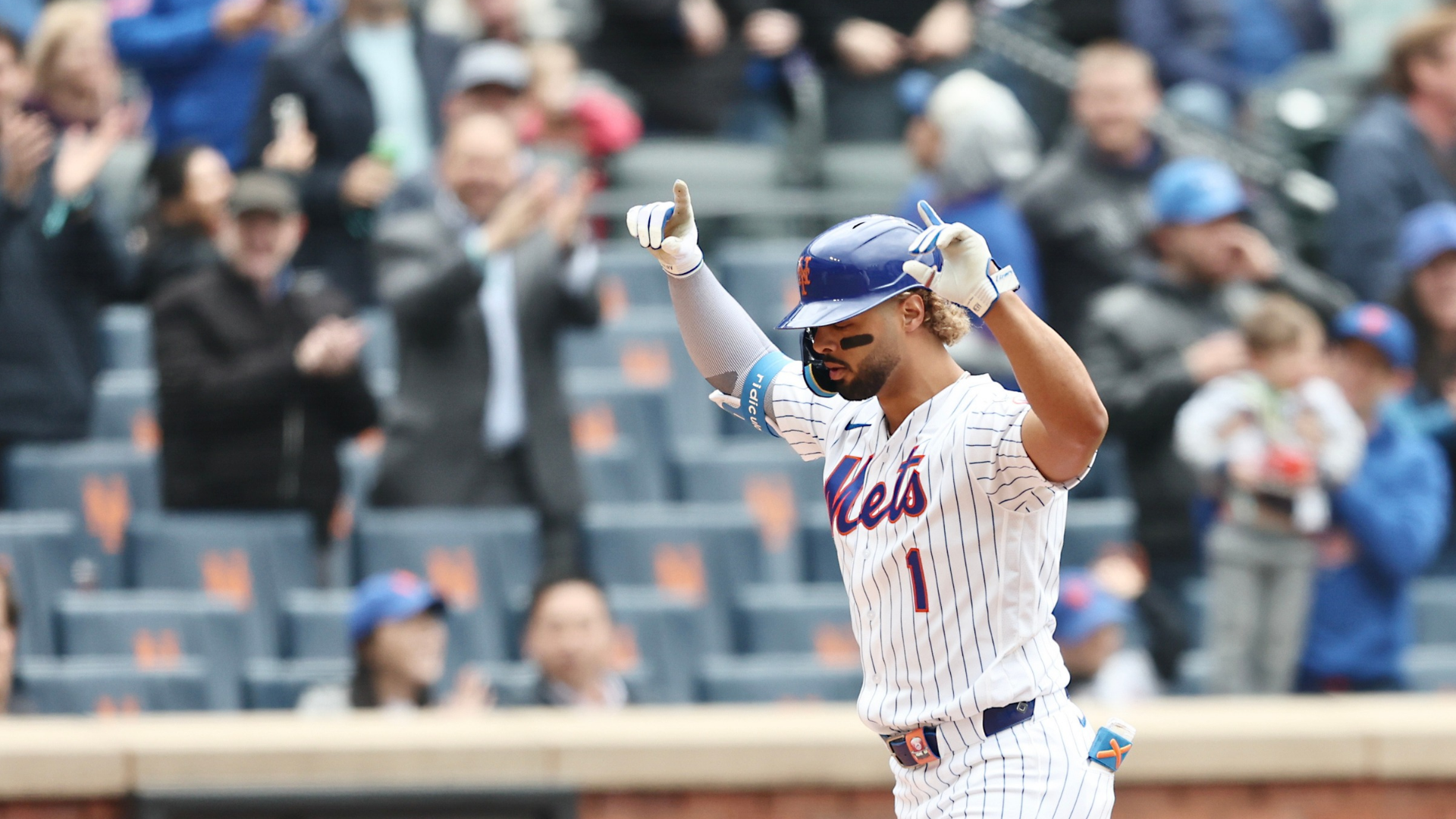
According to MLB.com reporting from Anthony DiComo, president of baseball operations David Stearns said the organization does not view this as a managerial problem. The Mets do not intend to make a change.
The explanation centers on injuries and roster issues. The lineup has been hit hard. Production has not followed. The problems go beyond one voice in the dugout.
That framing might hold internally. It becomes harder to defend when placed next to what happened on the field less than 24 hours earlier.
In the eighth inning of a one run game, Mendoza removed MJ Melendez after one of his best performances with the team. Melendez had already delivered a three run homer. He looked locked in at the plate. He represented one of the few offensive threats the Mets had all game.
Mendoza chose the matchup instead.
He sent up Austin Slater to face left-hander Richard Lovelady. The move followed the logic Mendoza explained afterward to SportsNet New York (SNY). Slater is on the roster to hit lefties. The numbers supported the decision.
“Slater is here to hit lefties, obviously.” — Carlos Mendoza told reporters.
Slater grounded out. The rally stopped. The Mets lost again.

The Disconnect Between Process and Reality

This is where the conversation shifts from one decision to a pattern.
The Mets are not a team that can afford to prioritize theoretical advantages over in-game feel. They do not have enough consistent production to ignore a hitter who is seeing the ball well. They cannot afford to remove one of the only players generating offense in a high leverage spot.
That is why the decision drew immediate criticism.
Radio host Craig Carton questioned the move bluntly on WFAN. He pointed to the obvious reality. The Mets have very few hitters producing right now. Juan Soto is one. Melendez was another in that game. Taking one of them out reduces the lineup’s chance to respond.
That critique lands harder when placed next to the numbers shaping the season.
The Mets have blown 10 leads. That is the highest total in Major League Baseball. They are 3-17 over their last 20 games. These are not quiet losses. These are games slipping away in moments that demand execution and awareness.
The eighth inning decision fits directly into that pattern.
It reflects a team managing by script in situations that demand flexibility. It reflects a dugout that is sticking to process even when the game is telling them something different.

Why This Matters Now
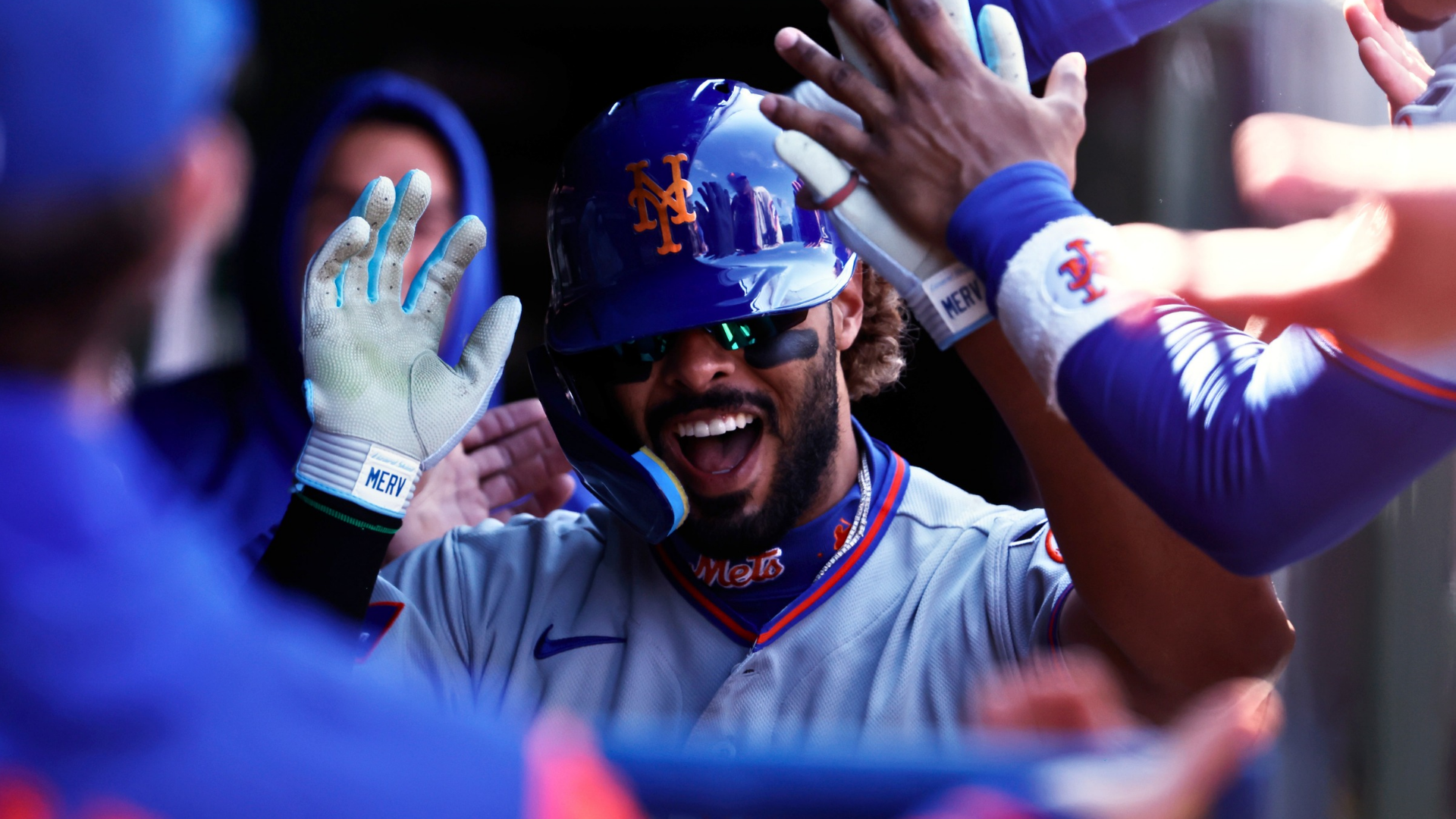
The Mets can defend Mendoza publicly. They can point to injuries. They can argue that roster construction has not delivered.
None of that changes how the games are unfolding.
Managers are judged on moments. This was a moment that mattered. It involved one of the only hot bats in the lineup. It ended with that bat on the bench.
That is why it resonates.
The organization’s vote of confidence removes immediate consequences. It does not remove pressure or quiet criticism, and every decision will now be viewed through a harsher lens.
The Mets still believe they can turn this around. They believe the sample size allows for a recovery. They believe Mendoza can guide it.
For that to happen, the decisions inside the game have to match the urgency outside of it.
Because right now, the message from the front office says stability.
The message from the field keeps saying something else.
Mets Back Mendoza After Costly In-Game Decision