
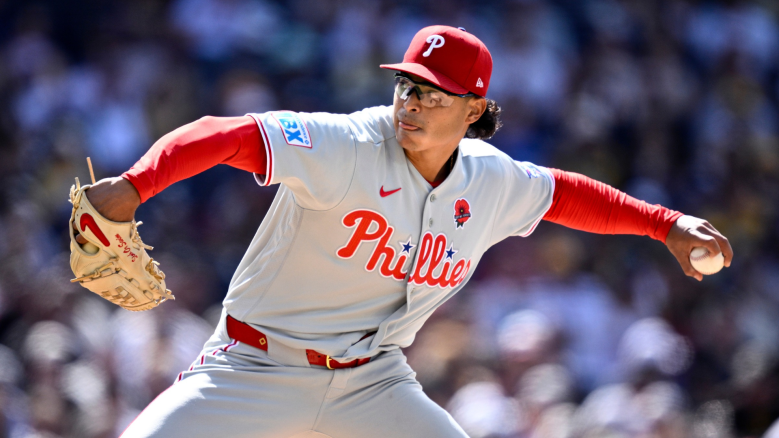
The Philadelphia Phillies could not afford another collapse from Jesús Luzardo. Not after the rotation spent weeks carrying an inconsistent offense. And not while the Phillies are trying to prove their resurgence under interim manager Don Mattingly is more than a temporary spark.
That is why Monday’s outing against the San Diego Padres felt much bigger than another regular-season start.
For the first time in weeks, Luzardo looked like the overpowering frontline arm Philadelphia believed it acquired. He attacked one of baseball’s deepest lineups with confidence, trusted his entire arsenal, and completely changed the tone surrounding his season in the process. More importantly, he finally stopped looking hesitant on the mound and forced the Padres into uncomfortable at-bats from the opening inning.
The Padres entered the matchup as one of MLB’s toughest offenses against left-handed pitching. Instead of pitching cautiously, Luzardo challenged hitters immediately and forced weak contact throughout the night. His fastball exploded through the zone, his changeup generated ugly swings, and his sweeper consistently disrupted timing against San Diego’s right-handed hitters.
Jesús Luzardo’s Velocity Immediately Changed the Tone
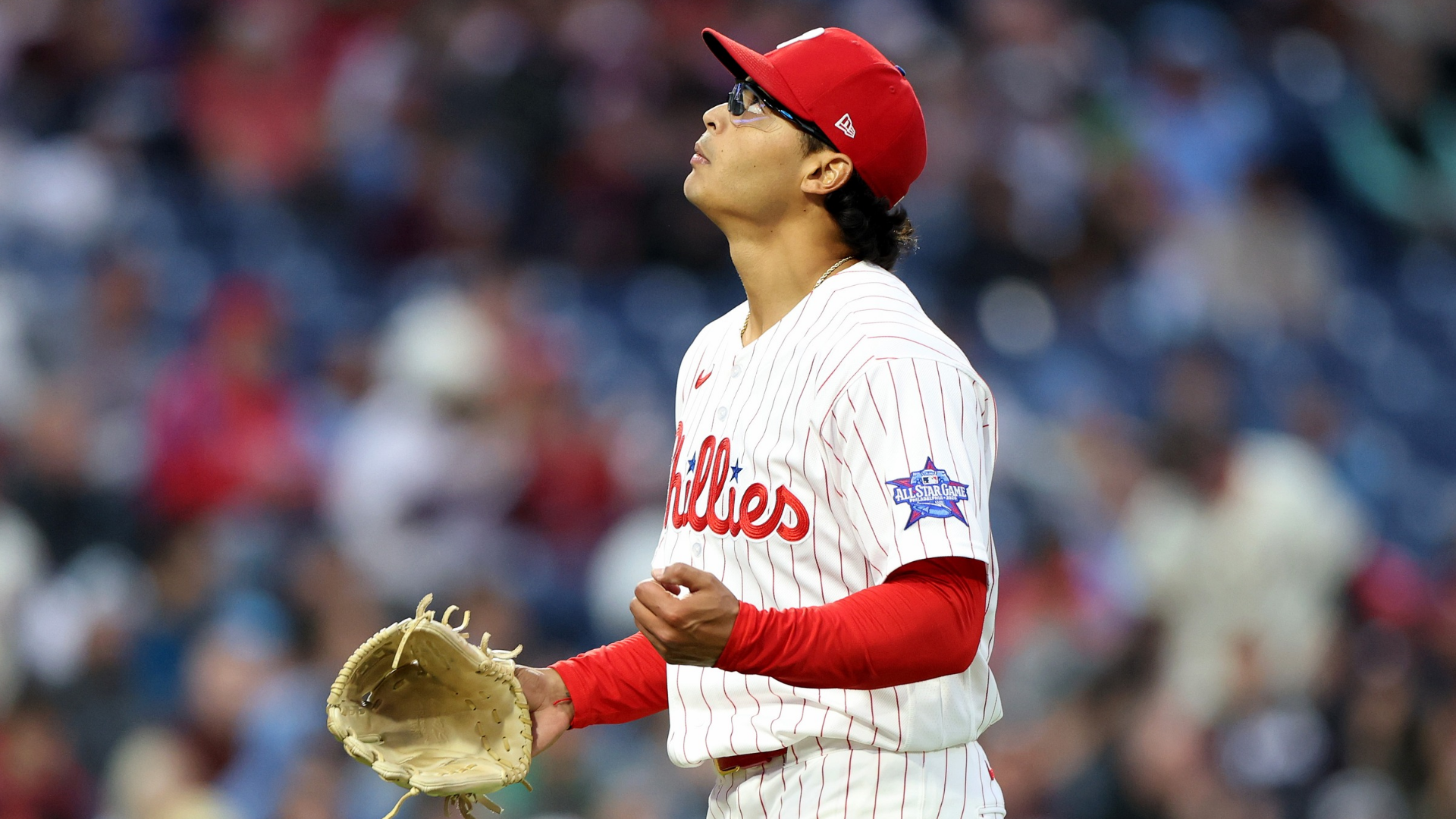
The underlying pitch data showed just how dominant he became. According to Statcast, Luzardo’s four-seam fastball averaged 97.3 mph and topped out at 99.4 mph. The velocity mattered, but the sequencing mattered even more because hitters never looked fully comfortable sitting on one pitch or movement profile.
His changeup produced eight whiffs on only 16 swings, while hitters also missed on 50% of their swings against the sweeper. That combination completely disrupted the Padres’ approach at the plate and prevented them from generating the kind of loud contact that hurt Luzardo earlier this month.
Even more encouraging for Philadelphia, San Diego rarely squared him up. The Padres produced only one hard-hit ball against Luzardo’s fastball despite seeing it 34 times during the outing. After weeks of elevated pitch counts and damaging contact, the Phillies finally saw the version of Luzardo capable of controlling games instead of merely surviving them.

Phillies Finally Saw Luzardo’s Full Arsenal Working Together
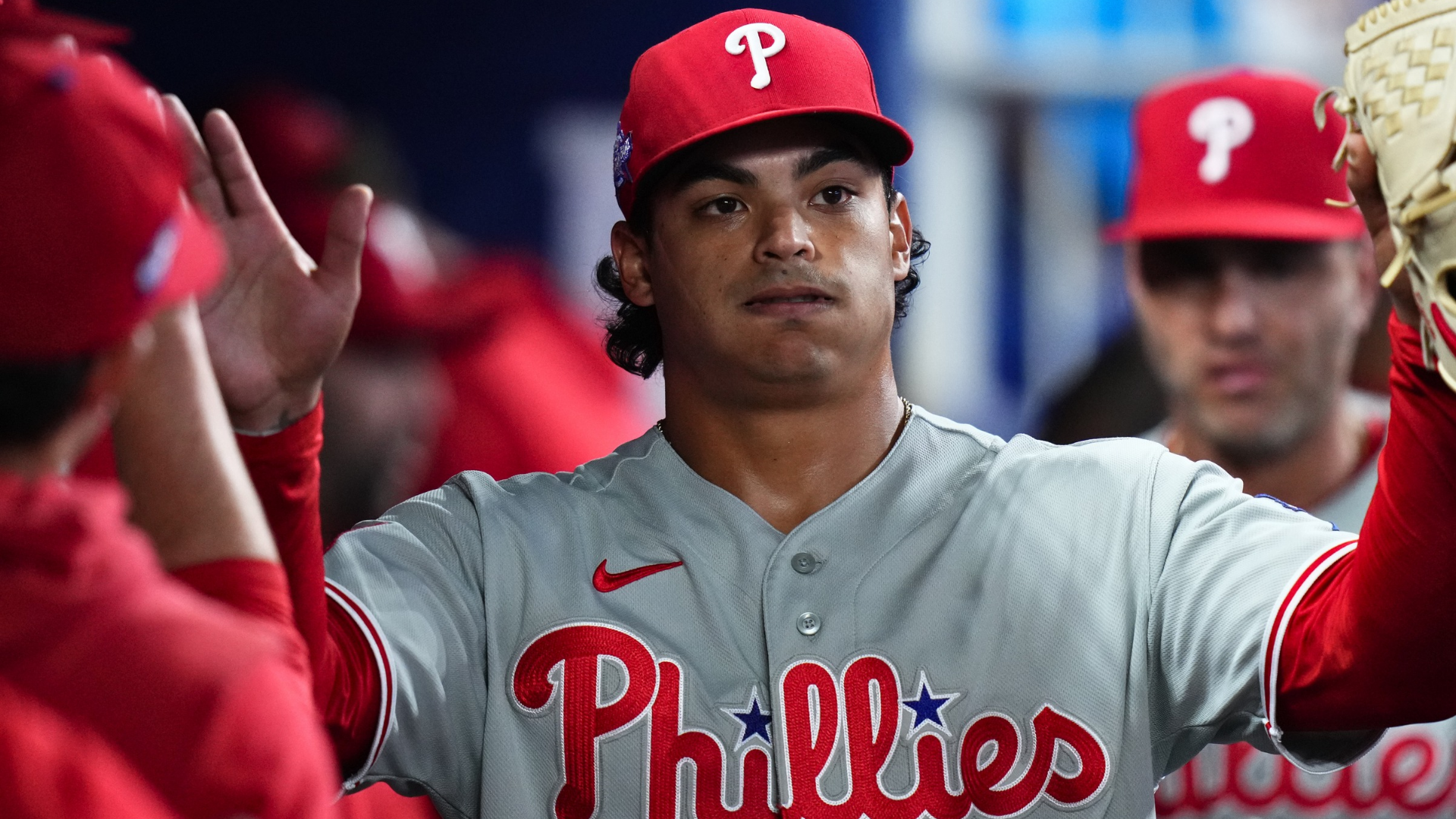
Luzardo’s recent struggles created growing concern across Philadelphia because the problems looked bigger than bad luck. Hitters had started anticipating certain pitch patterns, especially when he fell behind in counts or leaned too heavily on velocity to escape trouble. That predictability turned his starts into stressful outings instead of dominant performances.
Monday looked completely different from the opening inning because Luzardo consistently mixed all four pitches aggressively and stayed ahead of hitters. His sweeper became especially important because it forced right-handed hitters to respect horizontal movement rather than simply gear up for elevated velocity at the top of the zone.
That sequencing created uncertainty throughout the lineup. The Padres never looked comfortable hunting for one specific pitch because Luzardo constantly varied his eye level and movement patterns. His fastball played harder because hitters also had to account for the fading action of the changeup and the sharp break of the sweeper.
The confidence stood out just as much as the raw stuff. During his rough stretch earlier this month, Luzardo often looked caught between attacking hitters and trying to avoid damage. Against San Diego, he trusted his secondary pitches in difficult counts and consistently challenged hitters instead of pitching cautiously around contact.
That mindset matters for pitchers with Luzardo’s arsenal because his stuff becomes overwhelming when he stays aggressive. He does not need to live on the edges of the strike zone to dominate hitters. His effectiveness rises dramatically when hitters must react quickly rather than comfortably anticipate what is coming next.

Phillies Need Luzardo Back at a High Level
The Phillies’ path toward October depends heavily on elite starting pitching. Zack Wheeler and Cristopher Sánchez have already carried enormous responsibility during the team’s turnaround, but Philadelphia cannot realistically sustain a postseason push without Luzardo stabilizing behind them in the rotation.
That pressure intensified after his nightmare outing against Milwaukee in 2025, when he allowed 12 earned runs in only 3.1 innings. The performance sparked legitimate concerns about his mechanics, confidence, and long-term consistency, especially because opposing hitters suddenly looked far more comfortable against him than they had earlier in that season.
Monday helped quiet some of that noise while also reminding the Phillies how dangerous their rotation becomes when Luzardo looks mechanically and emotionally synchronized. Philadelphia suddenly becomes far more difficult to match up against when opposing teams must prepare for Wheeler, Sánchez, and a fully locked-in Luzardo within the same postseason series.
The Phillies do not necessarily need Luzardo to become their ace every fifth day because Wheeler already fills that role. What they need is the aggressive version, capable of neutralizing elite offenses and shifting playoff games whenever his pitch mix is working.
Against the Padres, that version finally reappeared. If this outing becomes the beginning of a larger reset instead of a temporary spike, the Phillies may have quietly solved one of their biggest concerns entering the second half of the season.
Phillies’ Jesús Luzardo Silences Growing Concerns