
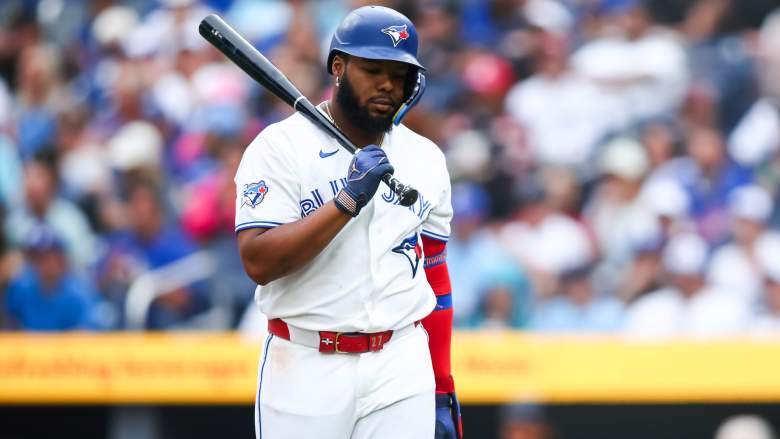
The Toronto Blue Jays do not need another vague offseason story about adding “more offense.” They need to figure out why their offensive philosophy failed in the first place.
Toronto entered its final series of the season with the second-fewest strikeouts in Major League Baseball. That statistic sounds encouraging, but the rest of the team’s offensive profile exposed a much bigger problem. The Blue Jays ranked 26th in slugging percentage, last in home runs and last in average exit velocity, according to Sportsnet.
That combination explains why Toronto struggled to consistently produce runs despite putting the ball in play. The Blue Jays made contact, but too often it didn’t create enough damage.
Toronto’s Approach Created a Troubling Tradeoff
The Blue Jays entered the season believing their hitters could win by attacking early in the count and making frequent contact. The organization wanted its players to avoid excessive strikeouts while adjusting as opposing pitchers challenged them.
The plan worked in one limited area. Toronto ranked near the top of the league in hits and avoided strikeouts better than most teams. However, the approach did not create enough extra-base hits or home runs to support a lineup that lacked consistent power.
Hitting coach David Popkins acknowledged that the team’s philosophy could not withstand the adversity it faced during the season. He also admitted that the coaching staff needed to find solutions faster when opposing teams adjusted.
That admission could become one of the most important developments of Toronto’s offseason.
The Blue Jays lost significant power because of injuries to Anthony Santander, Addison Barger, Alejandro Kirk and George Springer. At the same time, Vladimir Guerrero Jr. and Davis Schneider did not provide the level of power the organization expected.
Toronto therefore had very little margin for error. Once injuries began affecting the lineup, the Blue Jays needed their offensive system to create more damage from the players who remained healthy. Instead, the lineup often produced contact without enough impact.
The problem was larger than one player’s disappointing season. MLB’s elimination coverage also identified the offense as a primary reason Toronto failed to meet its preseason expectations.
The Blue Jays Need More Than One New Hitter
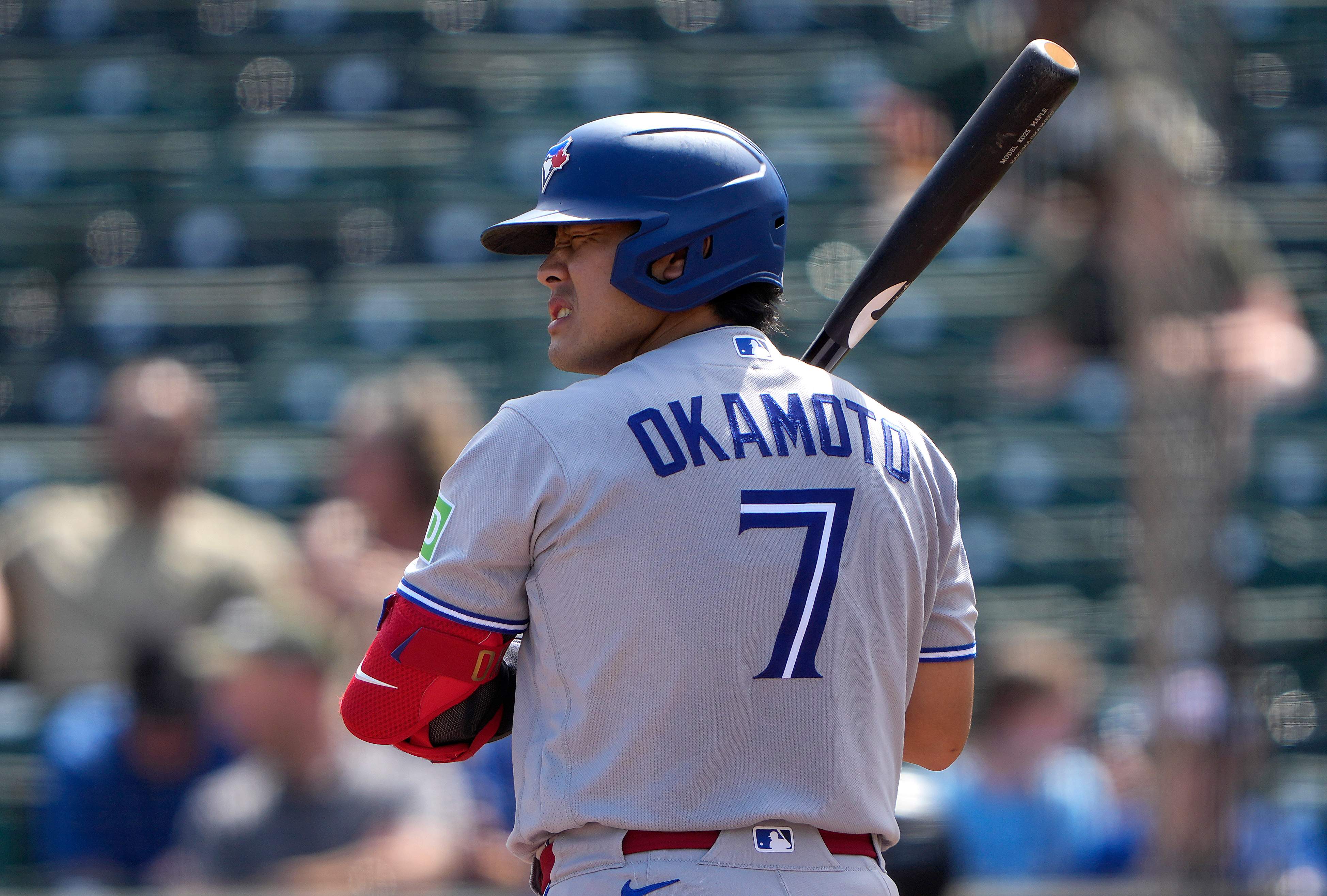
Dan Shulman recently said the Blue Jays need another power bat, or possibly two, according to Sportsnet. That assessment is understandable because Toronto finished last in home runs, but adding one slugger will not automatically solve the larger issue.
The front office must decide what type of offense it wants to build. Toronto needs hitters who can change games with one swing, but the coaching staff must also develop a better plan for responding when pitchers attack the lineup differently.
That could require more than a free-agent signing. The Blue Jays may need to adjust how they evaluate swing decisions, launch angle, early-count aggression, and situational hitting. They also need to determine whether their current personnel can execute the philosophy or whether the roster requires a more substantial overhaul.
The final games of the season should help answer some of those questions. Young players such as Sean Keys and Charles McAdoo can receive important opportunities, while the organization evaluates which internal options can contribute to a stronger lineup in 2027.
Toronto should not abandon contact entirely. Strikeouts remain damaging, and putting the ball in play still matters. However, the club must find a better balance between avoiding strikeouts and producing authoritative contact.
The Blue Jays have now been eliminated from postseason contention, but their evaluation process has only begun. The most important question is no longer whether Toronto needs more offense.
The question is whether the organization is willing to change how it searches for it.
Blue Jays’ Own Hitting Coach Just Revealed What Toronto Must Fix for 2027